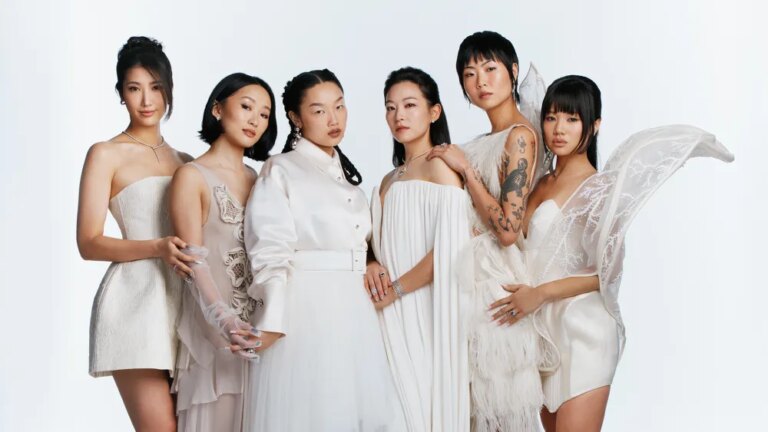
In a dazzling display of artistry and ambition, “KPop Demon Hunters” has captivated audiences, earning critical acclaim and significant accolades at the Critics Choice Awards. The film’s triumph, highlighted by wins for best animated feature and best original song “Golden,” signifies a bold evolution in the representation of Korean culture. From overcoming rejection to basking in the glory of success, the women behind this project have reshaped perceptions not just in entertainment but within cultural discourse. Their stories of perseverance, creativity, and innovation symbolize a triumph against barriers, urging us to recognize the profound impact of Korean culture and consider it beyond its geographic origins: “Drop the K. It’s no more.”
Rising Against Rejection
Rei Ami, who provides the singing voice for Zoey, captures the essence of this journey with the word “vindicating.” Despite having doors shut in their faces and being told they were either too little or too much, these women persisted. “Golden,” co-written by EJAE, Mark Sonnenblick, IDO, 24, and Teddy Park, speaks to their shared experiences, with its lyrics echoing themes of resilience and self-belief.
The cast and creators of “KPop Demon Hunters” have turned personal struggles into a universal narrative, resonating with audiences worldwide. Their journey wasn’t just about individual triumphs; it was about rewriting possibilities for Korean cultural representation on an international stage.
The Visionary Behind the Story
Maggie Kang, co-director along with Chris Appelhans, sought to create something unprecedented: a film steeped in Korean culture. Kang’s past work on “Puss in Boots” and “Kung Fu Panda 3” informed her determination to present a Korean story that embraced both historical and modern elements. As K-pop music and Korean cuisine gained popularity globally, Kang seized the opportunity to expand this cultural wave into animation.
The film’s success wasn’t just in viewership or awards; it offered a new lens through which Korean culture could be appreciated. With 482 million views on Netflix and topping charts worldwide, “KPop Demon Hunters” has become a cultural phenomenon, demonstrating the growing hunger for authentic Korean narratives.
A Journey of Personal and Cultural Breakthrough
For EJAE, the film’s longest-standing contributor, the project offered a unique blend of Korean storytelling through an animated lens, something she had long wished to see. Her personal connection to the story mirrored the broader themes of cultural identity and inclusion. Similarly, actors like Ji-young Yoo and Arden Cho experienced transformative moments throughout their involvement, revealing nuances in their roles that reflected broader social themes.
The film’s success extends beyond personal victories, weaving a narrative that speaks to collective stories of rejection and acceptance. As the team reflects on their triumphs, themes of unity, diversity, and continuity shine through, illustrating the groundbreaking impact of their work.
Challenging Cultural Boundaries
The notion of “Dropping the K” signifies a shift from traditional stereotypes and limitations. It represents an invitation to embrace Korean culture as an integral part of global narratives, not confined to specific categories or regions. Each cast member shares stories of how the film has inspired audiences, bridging gaps between cultural understanding and personal identity.
The impact of “KPop Demon Hunters” is felt across communities, resonating with those finding strength in its messages of empowerment. The film’s success has inspired a reevaluation of industry norms, paving the way for more diverse stories.
This achievement is both a celebration and a call to action, encouraging broader inclusion within the arts and beyond. As the creators and cast continue to break barriers, they remind us that cultural stories are more than just entertainment; they are gateways to understanding and connection.