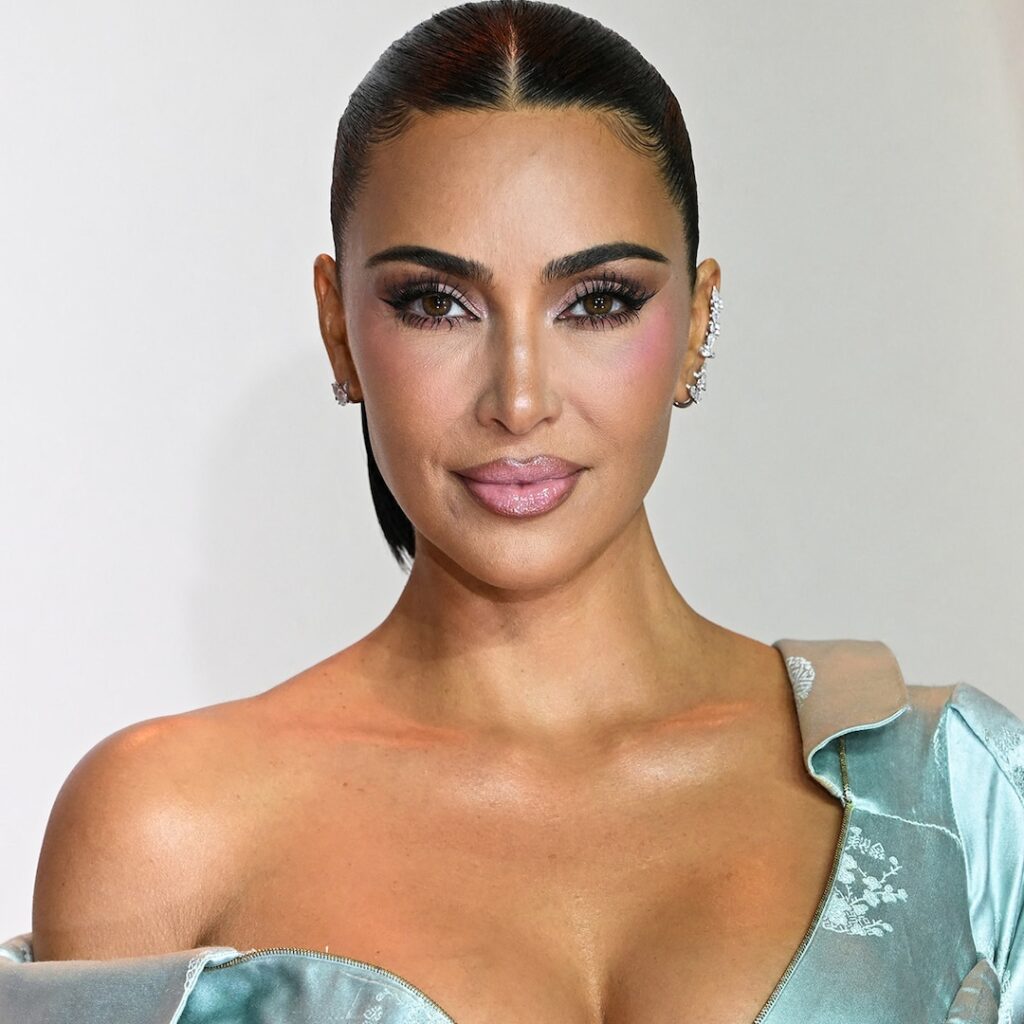
Kim Kardashian recently made waves by expressing her skepticism about the Apollo 11 moon landing. Her comments have sparked widespread discussion and debate, as the iconic reality star and entrepreneur openly questions one of history’s most celebrated events. As she explained, her interest in conspiracy theories fuels her doubts about whether Neil Armstrong and Buzz Aldrin ever set foot on the lunar surface. This revelation has intrigued fans and skeptics alike, adding a new dimension to the ongoing conversation about the Apollo 11 moon landing.
An Unexpected Revelation
Kardashian’s admission comes as a surprise to many who consider her mostly disconnected from topics of space exploration. During a discussion on her popular show, she candidly shared her doubts about the authenticity of the Apollo 11 moon landing, stating, “I just find it hard to believe that they actually did it.” Her remarks underscore a growing subculture of skepticism surrounding this pivotal moment in history.
Conspiracy Theory Culture
Kim Kardashian’s remarks tap into a broader fascination with conspiracy theories. She isn’t alone in questioning the Apollo 11 moon landing, as a significant number of people continue to harbor doubts, despite extensive documentation and verification. This skepticism often stems from broader distrust in governmental narratives and media portrayals. For many, figures like Kardashian lend a sense of validation to these alternative viewpoints, fueling further speculation.
A Polarizing Topic
The discussion surrounding the reality of the Apollo 11 moon landing is deeply polarizing. While the scientific community overwhelmingly supports the historical event with substantial evidence, conspiracy theories gain traction through influential voices like Kardashian’s. Her public doubt has reignited debates, prompting some to revisit old questions and others to defend the achievements of human space exploration.
In the end, Kim Kardashian’s views on the Apollo 11 moon landing add a celebrity-driven perspective to an ongoing dialogue, demonstrating the enduring power of skepticism in shaping public discourse. Whether her doubts will influence perceptions remains to be seen, but they undeniably contribute to a long-standing debate that shows no signs of fading away.