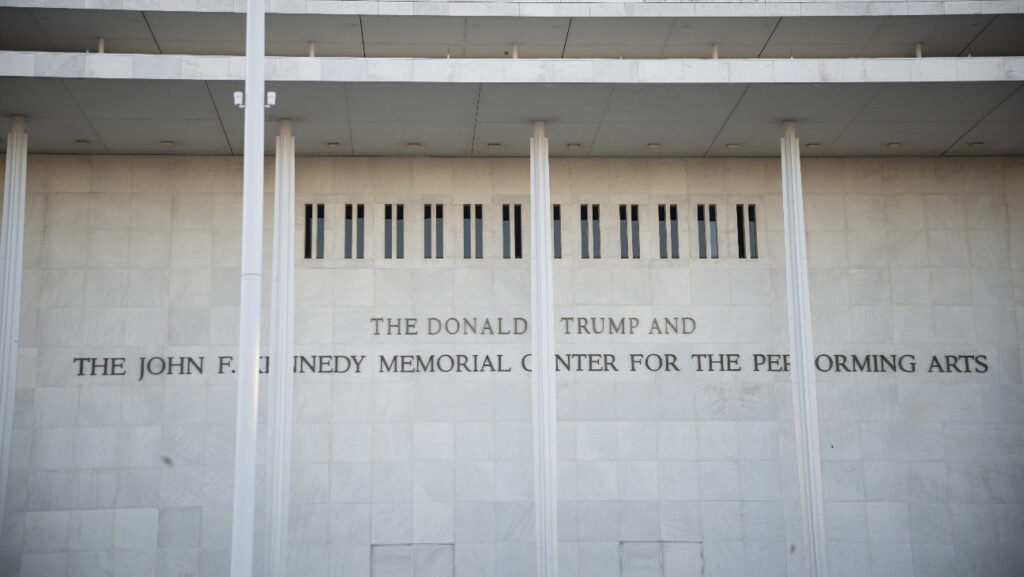
The recent renaming of the Kennedy Center has sparked a wave of cancellations by artists, igniting a controversy that blends politics with the arts. As President Donald Trump’s name was added to this iconic venue, reactions have been swift and divisive, leading to multiple high-profile performers withdrawing from scheduled events. The Kennedy Center’s leadership faces criticism amid a climate of tension, revealing deep-rooted issues between cultural expression and political influence.
Artists Withdraw Over Renaming Dispute
The Kennedy Center is seeing a wave of cancellations after President Trump’s name was added to the facility. The Cookers, a well-known jazz group, pulled out from “A Jazz New Year’s Eve”, expressing frustration and disappointment, particularly towards their fans who were expecting the performance.
Doug Varone and Dancers from New York also announced via Instagram their decision to cancel their April show. They expressed concerns about performing at what they called a “once great institution” due to the political implications of the renaming.
Cancellations Amid Declining Viewership
The Kennedy Center is experiencing more than just artist cancellations. Ticket sales have decreased, and the recent Kennedy Center Honors broadcast ratings dropped by 26% compared to previous years. These developments coincide with previous decisions by performers Issa Rae and the producers of Hamilton to cancel engagements, marking a turbulent period for the venue.
Musicians like Ben Folds and Renee Fleming have also stepped down from advisory roles, heightening the center’s challenges in maintaining its prestigious reputation.
Artist Reactions and Political Implications
Although The Cookers did not directly mention the renaming in their decision, saxophone player Billy Harper was vocal about his stance. He denounced performing in venues that he believes represent racism and the undermining of African American culture, a sentiment shared by others in the artistic community.
Meanwhile, Richard Grenell, appointed by Trump to lead the Kennedy Center, pointed fingers at previous administrations while accusing artists of political bias. Grenell suggested that the cancellations were influenced by prior leadership choices and political motivations, sparking further debate.
Legal Considerations and Ongoing Commitments
There is uncertainty about whether the Kennedy Center will take legal action against the canceling artists. After Chuck Redd’s recent withdrawal, Grenell hinted at the possibility of seeking damages for political motivations, emphasizing the contentious atmosphere surrounding the renaming.
However, not all artists are stepping away. Banjoist Randy Barrett plans to perform despite expressing concern over the venue’s politicization. He highlighted the importance of music as a unifying force, suggesting that cultural expression can transcend political divides.
Despite these complications, the Kennedy Center remains a symbol of artistic excellence. Yet, the current climate suggests that the influence of politics and culture will continue to be a point of contention at this historic institution.