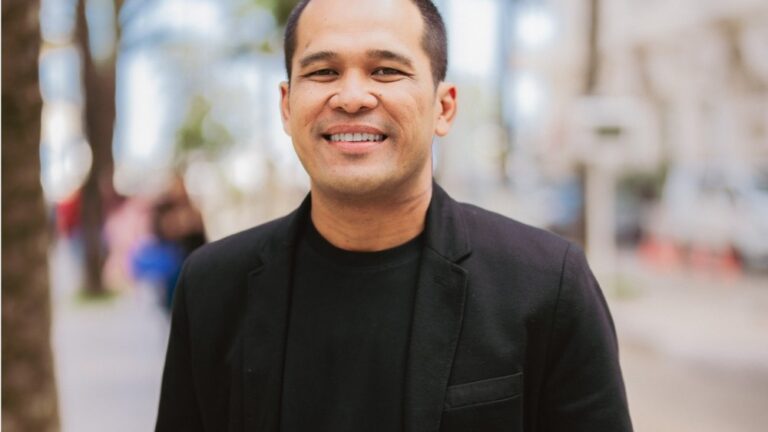
The Jogja-Netpac Asian Film Festival (JAFF), renowned for championing grassroots cinema, marks its 20th anniversary, celebrating two decades of showcasing films that authentically reflect Southeast Asia’s realities. This milestone highlights JAFF’s commitment to fostering a vibrant platform for independent filmmakers and its transformative journey from a local cultural endeavor to a significant player on the global stage.
The journey began in 2006 amid Yogyakarta’s 250th anniversary, when JAFF emerged as a modest initiative bolstered by young filmmakers and enthusiastic volunteers. The inaugural festival was nearly halted by an earthquake, yet the community’s determination to proceed laid the foundation for a resilient and enduring event.
JAFF has since evolved significantly, growing into a prominent regional festival attracting both national and international attention. The 20th edition featured 227 films from 47 Asia-Pacific countries, underscoring JAFF’s broad appeal and reach.
Festival director Ifa Isfansyah reflects on this growth, noting, “When we started, JAFF was essentially a group of filmmakers, volunteers, and audiences in Yogyakarta trying to build a space where Asian independent cinema could meet their audiences.” Despite the festival’s expanded scale, its core identity remains rooted in community, conversation, and films that address the region’s true realities.
JAFF’s early years were characterized by numerous challenges, from visibility struggles to infrastructure limitations. Volunteers carried film prints by hand, crafted subtitles from PowerPoint presentations, and constructed stages from borrowed materials. Initially held in a stage performance venue rather than a cinema, the festival showcased films that resonated personally with the organizers.
Isfansyah recalls, “Southeast Asian cinema wasn’t yet on the radar of major institutions. We had to convince partners and audiences that these films mattered.” This advocacy-driven approach proved pivotal in elevating Indonesian independent cinema, aligning with the country’s cinematic resurgence post-2000.
The festival cultivated a supportive ecosystem, providing a nurturing ground for debut features, experimental works, and early shorts. Isfansyah emphasizes this shift: “Indonesian independent cinema has moved from the margins to becoming a vital narrative force. The biggest change is confidence. Filmmakers now know their stories deserve the international stage.”
JAFF’s influence extends to exhibition infrastructure, prompting commercial cinemas to recognize the potential audience for independent films. This shift is exemplified by the commercial success of films like Reza Rahadian’s “Pangku” and the emergence of local digital platforms such as KlikFilm.
Unlike industry-driven festivals in Busan, Singapore, Tokyo, and Hanoi, JAFF maintains a grassroots, intimate focus that fosters new language, collaborations, and courage among filmmakers. Isfansyah explains, “Our mission has evolved to bridge the creative and the communal. We want to be a place where filmmakers don’t just showcase work but feel supported.”
JAFF’s programming has transitioned from necessity-driven experimentation to intentional exploration, engaging with formats that meld cinema with activism, memory, and indigenous knowledge. The festival’s commitment to creative freedom has faced challenges due to increased censorship, yet it continues to platform films that are politically and structurally innovative.
The festival sustains itself through a diverse funding model, incorporating government grants, sponsorships, box office revenue, and partnerships with platforms like Netflix, Vidio, and KlikFilm. JAFF has also expanded into a year-round cultural institution, offering forums, market platforms, and educational initiatives that perpetuate its mission.
A partnership with Netpac has been instrumental, providing networks of mentors, jury members, and collaborators. Isfansyah notes the significance of this collaboration, especially in the festival’s formative years: “Netpac has been a cornerstone for us.”
In celebration of its 20th year, JAFF’s lineup features films with sincerity and cultural relevance, addressing themes like displacement, youth identity, and artistic rebellion. The festival balances premieres with local spotlights, including works from filmmakers nurtured by JAFF.
Sections such as Main Competition, Light of Asia, and Emerging showcase the festival’s diverse offerings, while Yogyakarta’s audience has grown more visually literate and globally minded. Nevertheless, the defining warmth and curiosity remain unchanged.
To stand out in an oversaturated market, JAFF emphasizes meaningful visibility through contextual programming, using public lectures and workshops to foster conversation over algorithmic discovery. The festival builds connections between filmmakers, regional festivals, critics, curators, and platforms, reinforcing community and curation as powerful forces.
Reflecting on two decades, Isfansyah expresses a desire for early investment in infrastructure and organizational clarity. However, the familial spirit of the festival’s early days remains cherished. “Success is when a filmmaker tells us that JAFF made them feel braver to tell their own story,” Isfansyah says.
As JAFF looks to the future, it continues its mission of serving the local community while achieving international resonance, deeply rooted in Yogyakarta. “We always begin with the local. Yogyakarta is the soul of JAFF,” Isfansyah emphasizes. “Every festival must have responsibility with their territory. When our programming is honest to that community, the international relevance follows naturally.”