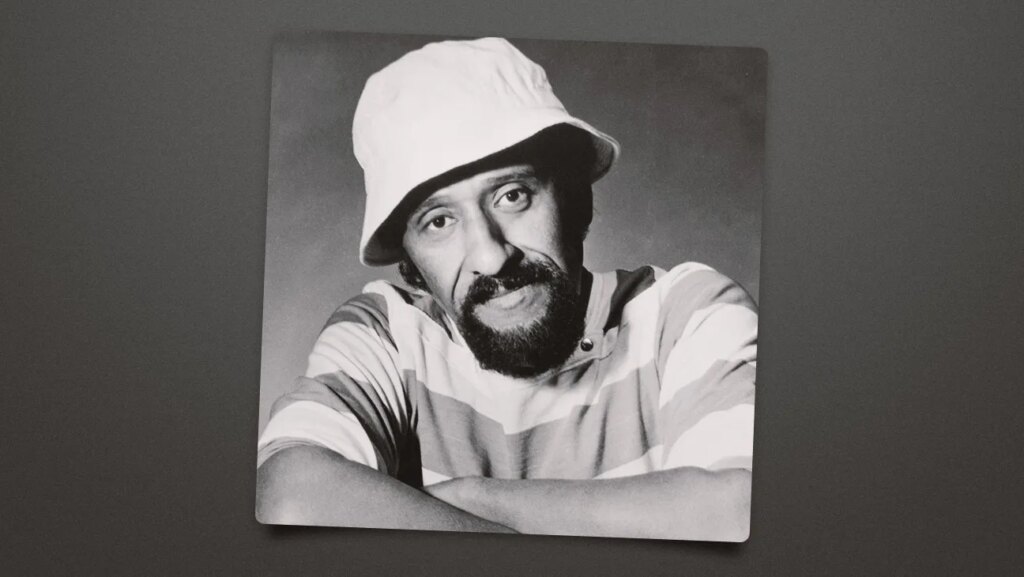
Sonny Rollins, the legendary tenor saxophonist revered as a colossus of jazz, passed away at the age of 95, leaving behind an indelible legacy in the world of music. Renowned for his powerful improvisations and compositions such as “St. Thomas,” “Oleo,” “Doxy,” and “Airegin,” Rollins’ influence spanned more than seven decades. Considered one of the most important figures in jazz history, his work continues to inspire musicians and fans alike.
Early Life and Musical Journey
Born Theodore Walter Rollins on September 7, 1930, in New York, Rollins grew up surrounded by the vibrant culture of Harlem. His initial inspiration came from legends like Fats Waller and Louis Armstrong, and he began playing the alto saxophone before transitioning to the tenor sax. Influenced by the likes of Charlie Parker and Thelonious Monk, he quickly became known for his virtuosic talent and distinctive voice in jazz.
Rollins emerged in the Sugar Hill neighborhood alongside peers such as Jackie McLean and Kenny Drew. By the time he was 20, he had already worked with jazz greats like Miles Davis and Bud Powell. His 1954 recordings with Miles Davis, which included “Oleo” and “Airegin,” marked a significant artistic breakthrough.
Career Highlights and Achievements
Rollins’ prolific career included over 60 albums, earning him numerous accolades such as a Guggenheim Fellowship, Grammy for Lifetime Achievement, and the National Medal of Arts. His competitive Grammy wins came for his 2001 album “This Is What I Do” and the 2005 solo “Why Was I Born?” from the live LP “Without a Song,” recorded shortly after witnessing the 9/11 attacks.
In the 1950s, Rollins was part of the Clifford Brown-Max Roach Quintet, developing a style known for thematic improvisation and blending various musical genres. His groundbreaking albums like “Way Out West” and “Freedom Suite” remain influential milestones in jazz history.
Legacy and Personal Life
Throughout his life, Rollins never shied away from taking artistic sabbaticals to refine his craft. His dedication to music led him to collaborate with other jazz luminaries like Jim Hall and Don Cherry while exploring Eastern philosophies such as Zen Buddhism.
Even after retiring in 2014, Rollins continued to share his passion for music. His final public performance was in 2012, and he released the acclaimed “Road Shows” series featuring recordings from pivotal moments in his career. Survived by his nephew and nieces, Rollins’ impact on jazz and music at large remains immeasurable.
Rollins’ lifelong contribution to jazz and his technique with the tenor sax earned him a place in the pantheon of music legends. As Stanley Crouch eloquently noted, his saxophone became “the vessel for the epic of Rollins’ talent.” Though Rollins has left this world, his music resonates powerfully, continuing to inspire new generations of musicians.