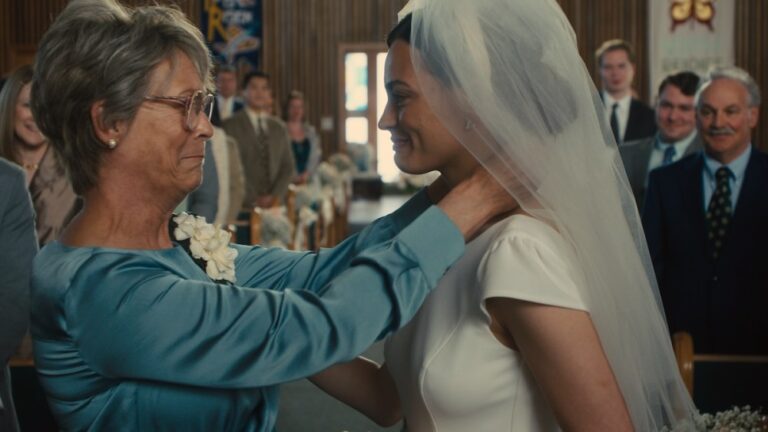
In the realm of cinematic storytelling, Ella McCay emerges as an intriguing yet flawed endeavor by seasoned director James L. Brooks. Despite its potential, the film falters under the weight of its own adoration for its titular character, losing sight of narrative depth and authenticity. With a blend of humor and earnestness, Brooks attempts to create a modern-day political fairy tale, yet the movie struggles to find a balance between idealism and realism.
An Ambitious Political Tale
Ella McCay follows its protagonist, Ella, portrayed by Emma Mackey, as she ascends to the position of governor at just 34. The film paints a rosy picture of her journey, heavily influenced by Brooks’ penchant for seeing the best in people. However, Ella’s lack of political acumen and toothless idealism make her an unlikely fit for the harsh realities of politics. Her policies like the naive “Tooth Tutors” dental plan lack the grit needed to resonate with audiences.
Outdated Cinematic Approach
Brooks seems to be channeling a Frank Capra-esque charm, but his approach feels disconnected from contemporary political discourse. By setting the film in 2008, he attempts to evoke nostalgia for a “better time,” yet this choice only highlights the film’s outdated perspective. The characters, while charmingly flawed, speak in overly polished aphorisms, losing the raw authenticity of real dialogue that audiences crave.
Complex Character Dynamics
The film delves into Ella’s personal life, showcasing her dysfunctional family and the burdens they place on her political dreams. Woody Harrelson plays her wayward father, while Rebecca Hall portrays her late mother. Yet, these relationships feel underexplored, overshadowed by a string of subplot diversions that add little to Ella’s development. The overarching narrative becomes muddled, with key expositional details absent, leaving viewers yearning for more substance.
An Idealistic Vision
Brooks’ commitment to heartfelt storytelling is apparent, yet Ella McCay lacks the nuanced writing that defined his earlier successes. The movie’s faith in the power of optimism feels overly simplistic, especially when juxtaposed with the complexities of modern governance. As Ella’s journey unfolds, the film flirts with themes of empowerment and resilience, but ultimately, these themes fall flat against a backdrop of idealistic clichés.
In the end, Ella McCay serves as a reminder of Brooks’ ability to craft endearing characters but illustrates the pitfalls of idealism unchecked by reality. While Ella is depicted as a beacon of hope, the lack of genuine exploration into her flaws leaves viewers unconvinced by her narrative arc. Brooks’ latest creation may not fully achieve its aspirations, but it does offer a platform for reflecting on the ever-challenging intersection of idealism and real-world pragmatism.