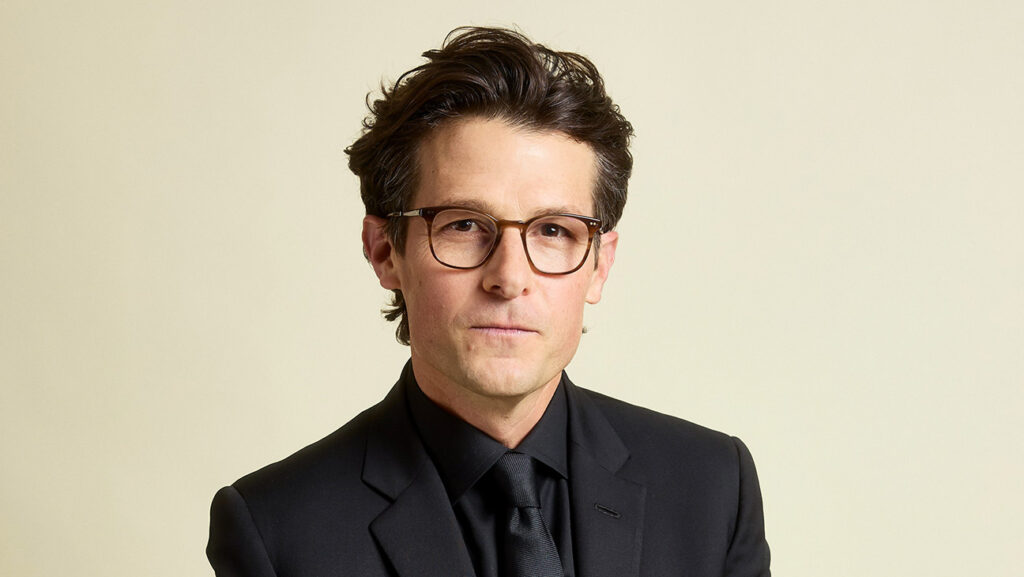
Jacob Soboroff, known for his role as a national correspondent, delves into a deeply personal yet universally relevant topic in his new book, Firestorm: The Great Los Angeles Fires and America’s New Age of Disaster. Written in the aftermath of the devastating fires in Altadena and the Pacific Palisades, Soboroff not only revisits the site of his childhood but grapples with the health implications of breathing toxic fumes. His reflections on both the fire’s aftermath and his experiences during 9/11 offer a poignant look at the challenges of living through and reporting on disasters.
Returning Home
As part of his book promotion, Soboroff returned to Palisades, where his roots run deep. Standing at the Palisades Recreation Center, he reflected on his memories from just before the fires struck. Gesturing to a fenced-off area, he recalled, “We called that the Snack Shack. It was a little tennis shop, but really we would go in there and just buy junk food.”
His journey continued a few blocks away to his childhood home, now reduced to rubble. Experiencing the scene through a FaceTime call with his mother, Soboroff shared, “I write in the prologue to the book that it was a time machine—standing here, and all my past is around me, but nobody’s left.” It served as both a tribute to the past and a stark vision of a future concerning his children.
Memories of 9/11
The devastating fires brought back memories of another disaster Soboroff had witnessed firsthand: September 11th. Recalling his early college days at NYU during the attacks, Soboroff reflected, “It was like a total blue sky date…very much a 9/11 callback to me.” The air quality, similar to the fires, was a mix of toxic fumes and uncertainty.
When asked about his concerns regarding the health effects of breathing toxic fumes, both from the Palisades fires and 9/11, Soboroff admitted, “Yes. But what can I do?”
Community Ties and Unexpected Requests
In the days following the fires, Soboroff found himself inundated with requests from people wanting updates on their homes’ statuses. One such call came from his brother asking him to check on their own house, which had survived amid the devastation. Yet, health concerns kept it unoccupied, as doctors warned about air quality risks for young children.
Perhaps the most unexpected request came from Katie Miller, the wife of the former Deputy Chief of Staff Stephen Miller. She asked if Soboroff could check on her in-laws’ home. Reflecting on the request, Soboroff noted, “I was shocked to see that she was calling me, but…I guess I had hoped that in the moment the sort of awful, toxic nature of our politics could be set aside.”
Through his narrative in Firestorm, Jacob Soboroff captures not just the destruction and chaos of disasters but also the resilience and connections that surface amid the ruins. His reflections on breathing toxic fumes serve as a reminder of the long-lasting impacts disasters can have on both personal and communal levels.