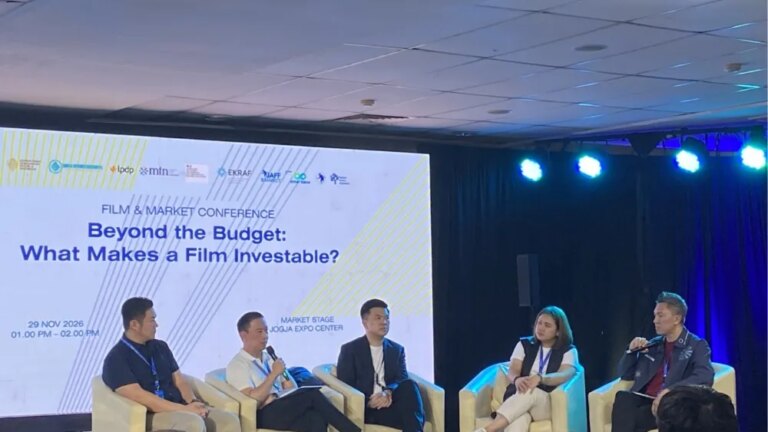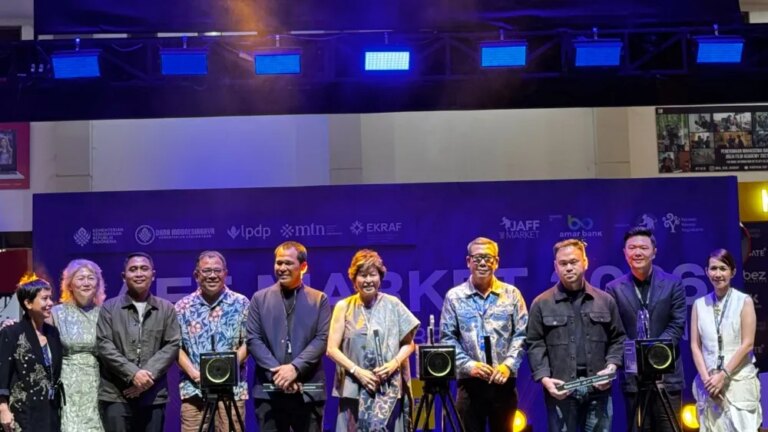
The Indonesia-based JAFF Market, which organizers claim to be the nation’s largest film market, has officially launched its third edition at the Jogja Expo Center in Yogyakarta. Market director Linda Gozali emphasized the necessity for the local film industry to evaluate its growth not purely in terms of volume, but also in quality.
JAFF Market and Jogja-Netpac Asian Film Festival Collaboration
Running concurrently with the Jogja-Netpac Asian Film Festival (JAFF), the three-day market began with Gozali reflecting on its origins. She noted that the first edition was a significant experiment aimed at assessing the need for a film market in the Indonesian ecosystem, stating, “The response was definitely overwhelming.”
Evaluating Industry Resilience
As the market embarks on its third iteration, Gozali encourages stakeholders to contemplate whether the film industry can sustain itself amid economic turbulence and sociopolitical challenges. “This is a transitional period, and therefore let’s define what growth is,” she shared, voicing the importance of shifting the narrative away from mere quantity to encompass quality as well.
A Platform for Collaboration
The current edition aims to foster local and international collaboration, aspiring to translate potential leads into fruitful deals. The exhibition floor showcases 116 exhibitors, with the first day allocated exclusively to business interactions for accredited attendees. Amar Bank is supporting the market for the second consecutive year.
Highlighting Future Projects
The JAFF Future Project selection comprises 12 diverse titles. Among the featured Indonesian works are Dhiwangkara Seta’s “Absence” (stylized as “αLPα”), Timoteus Anggawan Kusno’s “Orphaned Atlas” (a collaboration with France and the Netherlands), and others such as “Pupus: The Orchid of Merapi” and “Slaughterground.” Additionally, international entries include Glenn Barit’s “Luz and Flor” from the Philippines and Rosie Lourde’s “Wreck and Ruin” from Australia, which has a partnership with both the Adelaide Film Festival and Malaysian mylab.
Expanding Opportunities
A notable development this year is the introduction of the IP Connection strand, which has opened the door to international properties for the first time. This segment features ten selections, including titles like the Hong Kong comic “Disposable Dolly” and a South Korean webtoon, showcasing a blend of Indonesian and international creativity.
Initiatives to Support Filmmaking
New initiatives like the Producers Exchange bring together a diverse mix of 14 producers from various countries, encouraging collaborative film development. The Indonesia-France Film Lab X MTN Lab, now in its third year, continues to cultivate talents through partnerships that enrich the local film landscape.
Fostering Film Writing
Another new program focuses on enhancing film writing in journalism and criticism, welcoming 15 young professionals eager to engage in meaningful discourse around cinema.
Conference Insights and Future Directions
The conference agenda features significant discussions including the future trajectory of Indonesian cinema and the potential for cultural phenomena to transcend trends. The second day will delve into audience positioning and explore topics such as AI in microdramas and the longevity of Indonesian production houses.
“Economically speaking, we are actually in a cautious mood,” Gozali remarked, acknowledging the challenges ahead.
The concluding day will highlight key topics like animation, box office successes, and the transition of actors into producing, alongside an expert talk from Japanese action director Tanigaki Kenji on action and stunts.
Opening Ceremony and Future Aspirations
The market was declared open following a keynote from Ahmad Mahendra, director general of culture development at Indonesia’s Ministry of Culture. Emphasizing the importance of continued growth in the film ecosystem, Mahendra was joined on stage by key figures in the industry, including JAFF founder Garin Nugroho and the French ambassador to Indonesia, Fabien Penone.
“People say the third is the charm,” Gozali concluded optimistically, indicating hopes for continued success and progress within the film market.