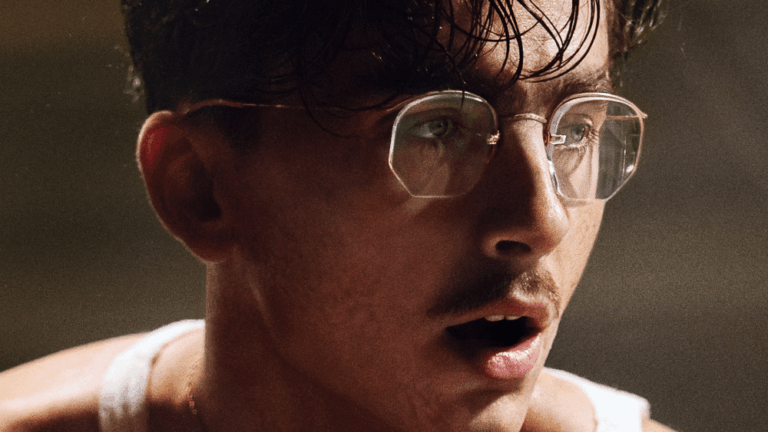
Transforming into the character of Marty in “Marty Supreme” was no small feat for Timothée Chalamet. This award-winning actor dedicated significant time to achieve the film’s gritty realism, focusing on his character’s physical imperfections, including an acne-scarred face. As a key aspect of the movie’s authenticity, Chalamet underwent an extensive makeup process involving prosthetics and intricate detailing. This commitment underscores the film’s dedication to portraying the raw essence of a young man navigating the tough streets of New York.
Creating a Genuine Look
The film, set in the 1950s, demanded a portrayal that was both visually and contextually accurate. Director Josh Safdie’s vision was clear: the characters needed to resonate with the rough, authentic feel of the era. To achieve this, prosthetic makeup designer Mike Fontaine collaborated closely with Safdie and makeup artist Kyra Panchenko. “It wouldn’t make sense to drop Timothée in there and have him look like this clean movie star,” Fontaine emphasizes, highlighting the transformative challenge they faced.
The Journey of Marty
Chalamet plays Marty, a hustling young man from New York’s Lower East Side, who dreams of making it big through table tennis. Working in his family’s shoe store, Marty uses his wits to manipulate sales while constantly scheming for the next opportunity. To bring this character to life, Fontaine crafted a look that implied a tough past filled with fights, indicated by facial scars. “Josh knew what he wanted. He wanted acne scars, keloid scars,” Fontaine explains.
The Makeup Process
The makeup application for Chalamet’s acne-scarred face required five prosthetic pieces, meticulously applied each day. This process involved creating a pockmarked look on his cheeks and adding significant scars on his cheekbone and chin. “Myself, Kyra, and [hairstylist] Jimmy Goode would get Timmy done in an hour,” Fontaine says, describing the efficient teamwork that took place in Chalamet’s trailer.
Achieving Visual Authenticity
With cinematographer Darius Khondji filming intense close-ups, attention to detail was crucial. “We had the great advantage on ‘Marty Supreme’ of doing extensive screen tests,” Fontaine notes. The process ensured the makeup blended seamlessly, providing an authentic yet subtle enhancement to Chalamet’s portrayal. Additionally, Safdie pushed further for authenticity by distorting Chalamet’s vision with contact lenses and prescription glasses to depict his character’s struggles.
Safdie’s commitment to realism even extended to Chalamet’s eyesight challenges, as the actor willingly embraced a dizzying combination of contacts and glasses. This dedication to detail, combined with Chalamet’s willingness to fully dive into the role, brought a profound depth to the character of Marty. Such meticulous efforts highlight the film’s overall quest for an unflinching depiction of a young man’s life in the bustling heart of New York.