The White House and Hollywood have long been intertwined in a dance of influence and representation, each continually renovating the other’s image of power. This fascinating relationship reflects America’s evolving identity, as screen portrayals offer glimpses into societal values and political climates. By examining how these portrayals have shifted—from the Clinton era to the Trump years—we gain insights into the dynamic narrative of American governance and cultural sentiment.
Metaphor in Demolition
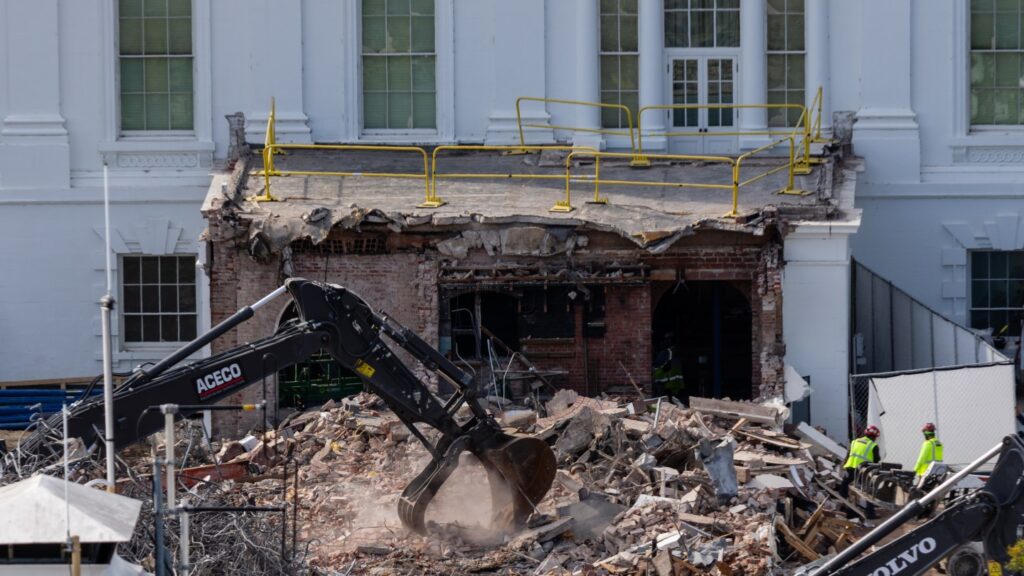
Recent images of the sudden demolition of the White House’s East Wing ignited various emotions, from shock to inspiration. This act serves as a striking metaphor for President Trump’s tenure, symbolizing both the upheaval of longstanding norms and the ambitious reconstruction of American ideals. As the bulldozers dismantled this iconic structure, they paved the way for a new ballroom, reflecting the ongoing renovations reshaping power’s appearance and meaning.
The visual impact is undeniable. The rubble represents not only a physical transformation but also a shift in the historical and cultural perception of one of the world’s most recognizable symbols. It’s a shared emblem that has found a home in countless films and TV series, contributing to our understanding of political legacies.
Cinematic Reflections Across Eras
Each era of American politics has witnessed its unique portrayal of the White House in entertainment, showcasing national ideals and fears. In the 1990s, films and television depicted the White House as a bastion of power. Productions like The West Wing and films featuring chivalrous leaders echoed the idealistic spirit of the times.
Following the Sept. 11 attacks, the narrative shifted to depict the White House as a fortress amid global threats, evident in shows like 24 and films like White House Down. The focus turned to themes of security and moral ambiguity, reflecting a nation on edge.
Transition to Trump and Beyond
The Trump era transformed the White House into a spectacle akin to reality TV, challenging filmmakers and showrunners to keep pace with political reality. Shows like Veep and Our Cartoon President embraced this absurdity, while films like Don’t Look Up critiqued denial and divisive politics. The White House became less an institution and more a stage for grand narratives and public outrage.
Under President Biden, the narrative has shifted slightly, offering new stories that critique and redefine power structure, seen in popular series like The Diplomat and The Handmaid’s Tale. Hollywood continually adapts to encapsulate these evolving themes, offering fresh interpretations of governance and influence.
The Future of Representation
What lies ahead for the portrayal of power after Trump remains to be seen. The physical and metaphorical renovations of the White House symbolize the continuous evolution of governance and its depiction in media. Hollywood will undoubtedly continue to renovate its narrative of power, aligning with cultural shifts and political changes, ensuring the tale of American leadership remains as compelling as ever.