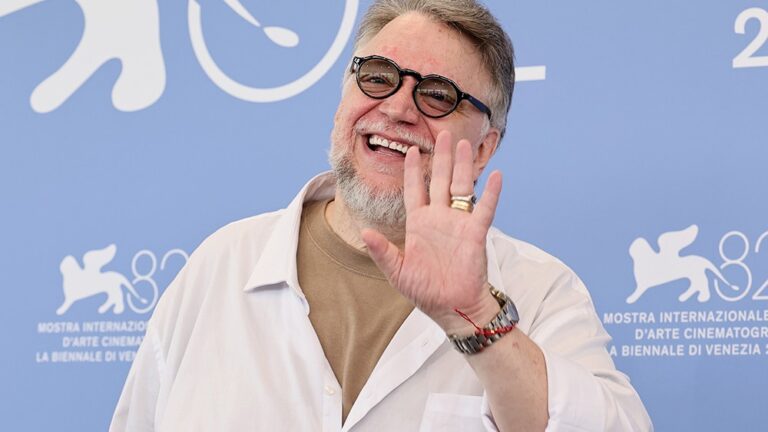
Renowned filmmaker Guillermo del Toro has made his stance clear: generative AI has no place in his cinematic creations. In a recent conversation with NPR, the Oscar-winning director passionately expressed his aversion to integrating artificial intelligence into his films, affirming his commitment to traditional filmmaking techniques. Del Toro’s commentary reflects a broader skepticism of AI in the arts, highlighting both the cultural fascination and the potential pitfalls associated with this rapidly evolving technology.
The Director’s Firm Stance
In the interview, del Toro, celebrated for his unique storytelling in films like “Pan’s Labyrinth,” asserted he would “rather die” than use generative AI in his projects. At 61, he hopes to remain uninterested in such technology for the rest of his career. “AI, particularly generative AI — I am not interested, nor will I ever be interested,” he declared, emphasizing his unwavering dedication to authentic human creativity.
Concerns Over “Natural Stupidity”
Del Toro argued the real issue lies not with AI itself but with what he called “natural stupidity.” He believes this human flaw could lead to the mishandling of AI, exacerbating “most of the world’s worst features.” By connecting these concerns to his work, del Toro drew a parallel between the tech industry’s leading figures and Victor Frankenstein, the mad scientist of his upcoming Netflix adaptation, “Frankenstein.”
Thematic Connections to “Frankenstein”
The filmmaker likened the hubris of tech developers to that of Frankenstein, who blindly creates life without foresight. “I did want it to have the arrogance of Victor [Frankenstein] be similar in some ways to the tech bros,” del Toro explained. He urged the public to pause and contemplate the trajectory of AI development. His adaptation of Mary Shelley’s classic novel, featuring stars like Jacob Elordi and Oscar Isaac, premieres on Netflix on November 7.
Del Toro’s dismissive stance on generative AI underscores his dedication to preserving the human touch in storytelling. His views resonate with a growing conversation about the ethical and creative boundaries of technology in the arts, a dialogue as layered and thought-provoking as his films.