The allure of French cinema has always carried a certain mystique, yet behind the glamour, some legendary French movie stars have surfaced with controversial political leanings. Delving into the question “From Bardot to Depardieu, Why Are French Movie Stars Flirting With Fascism?”, this exploration uncovers the reasons why iconic figures like Brigitte Bardot and Gérard Depardieu have found themselves associated with far-right politics. Examining their motives and wider societal implications, this article sheds light on a cultural and political shift within a traditionally liberal industry.
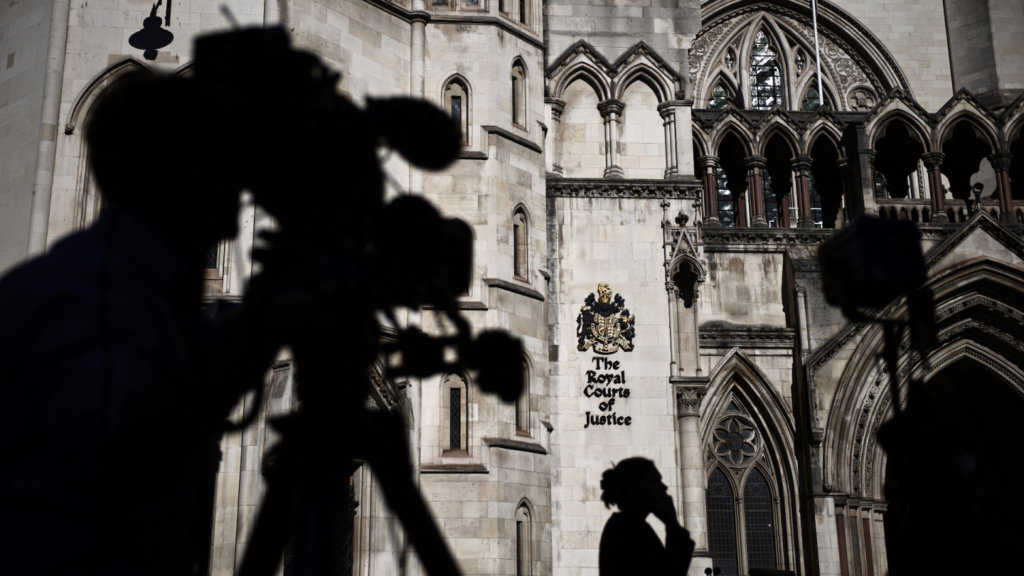
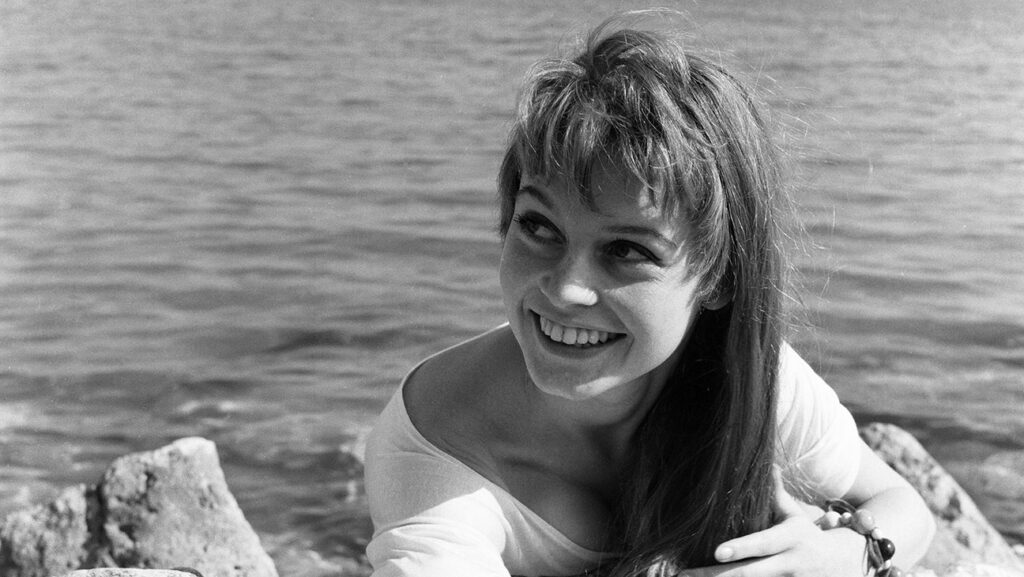
Obituaries for Brigitte Bardot, the renowned actress turned animal rights advocate who passed away on December 28 at the age of 91, frequently highlighted her far-right political views. Notably vocal against Islam, Bardot faced multiple convictions in French courts for inciting racial hatred, largely due to her opposition to specific religious practices. However, her views were not as isolated within her industry as some narratives suggest.
Similar to Hollywood, the French film industry is known for its liberal majority, evident from incidents like the César Awards walkouts following Roman Polanski’s controversial win in 2020. Despite this, a few legendary figures have defied the mainstream stance. Catherine Deneuve, for example, emerged as a prominent critic of the #MeToo movement in France while Gérard Depardieu sought refuge in Russia, receiving a passport from Vladimir Putin, and later faced multiple sexual assault allegations. Bardot stood as one of his rare defenders amidst these controversies. Alain Delon, who shared a bond with far-right leader Jean-Marie Le Pen and occasionally supported the National Rally party, was often referred to as the “male Brigitte Bardot.”
This inclination towards far-right ideologies might hint at generational influences or reflect broader public sentiments. Recent polls position National Rally leader Jordan Bardella as a leading contender in France’s political arena, suggesting these stars’ views might resonate with a growing segment of the population.
Exploring why these celebrated French movie stars engage with fascism reveals a complex interplay between their individual histories, generational perspectives, and the shifting political landscape across France. This intersection of film and politics continues to spark curiosity and debate within the global community.