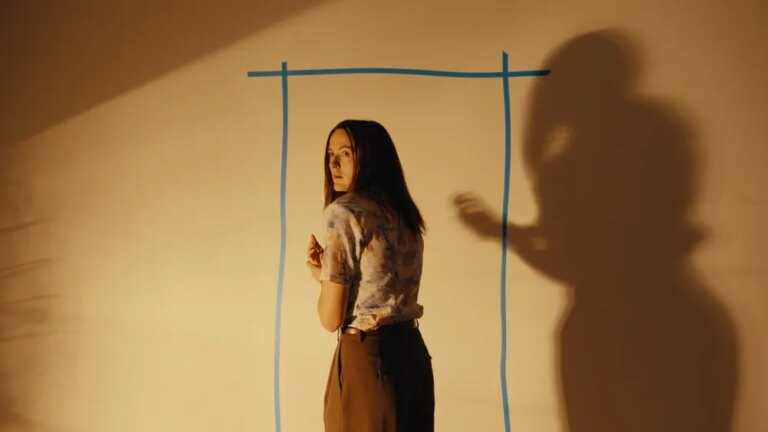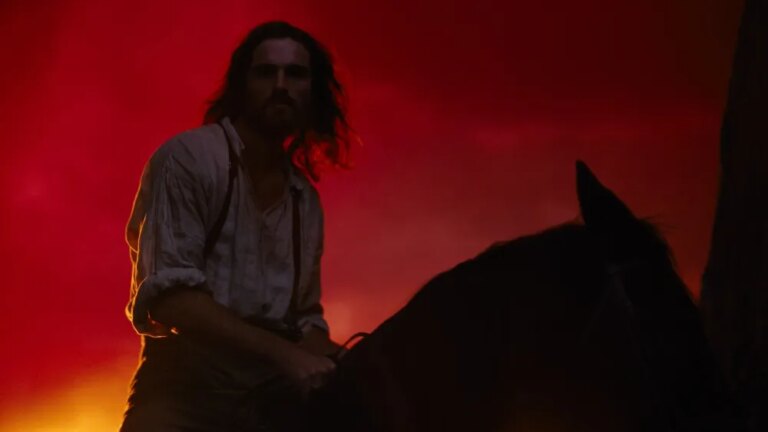
Emerald Fennell’s adaptation of “Wuthering Heights” offers a fresh take on Emily Brontë’s timeless novel. The film captures the intense chemistry between its leads while maintaining a moody atmosphere that echoes the wild Yorkshire moors. Fennell masterfully leaves the audience both satisfied and yearning for more. This interpretation stands out by embracing the raw emotion inherent in the story while highlighting the landscape’s haunting beauty.
The Evolution of “Wuthering Heights” on Screen
Exploring the history of “Wuthering Heights” adaptations reveals a fascinating progression. The Motion Picture Academy’s ratings showcase how filmmakers have transitioned from achieving a family-friendly feel to more intense portrayals. The 1970 adaptation featuring Timothy Dalton as Heathcliff received a G rating, indicative of its accessible nature. Yet, as time passed, interpretations grew more daring.
Unyielding Passion and Cinematic Chemistry
In Fennell’s rendition, the chemistry between the leads is palpable, reflecting Brontë’s powerful narrative. This version embraces the novel’s dark romance, focusing keenly on the emotional tumult between the characters. The intensity bursts off the screen, making viewers deeply invested in the protagonists’ turbulent relationship.
Moody Atmosphere and Setting
The film’s setting plays a crucial role, with the Yorkshire moors providing a dramatic backdrop that enhances the storyline’s brooding tone. Emerald Fennell brilliantly uses these sweeping landscapes to mirror the characters’ inner turmoil, artfully intertwining setting and story.
Leave Them Wanting Moor
Fennell’s choice to maintain a certain level of restraint ensures that audiences are left intrigued, desiring more of this powerful story. The film’s enigmatic aura keeps viewers captivated, making it a standout adaptation of “Wuthering Heights.” By embracing both the chemistry and the chilling setting, Emerald Fennell delivers a film that pays homage to the original while carving its own path.