In response to significant backlash over an edited interview segment with Secretary of Homeland Security Kristi Noem, CBS News has decided to alter its interview policy for its renowned Sunday show, “Face the Nation.” This decision comes after both the administration and media critics raised concerns about transparency in their broadcasts. The episode highlighted how crucial unedited content is in maintaining trust between media outlets and their audiences.
Policy Shift towards Greater Transparency
In a bid to address audience concerns, CBS News has announced a new transparency initiative for “Face the Nation.” A spokesperson told The Hollywood Reporter, “Face the Nation will now only broadcast live or live-to-tape interviews, except when national security or legal constraints dictate otherwise.” This change aims to reassure viewers by guaranteeing they see the full, unedited content on television, while continuing to provide complete transcripts and videos online.
The Kristi Noem Interview Controversy
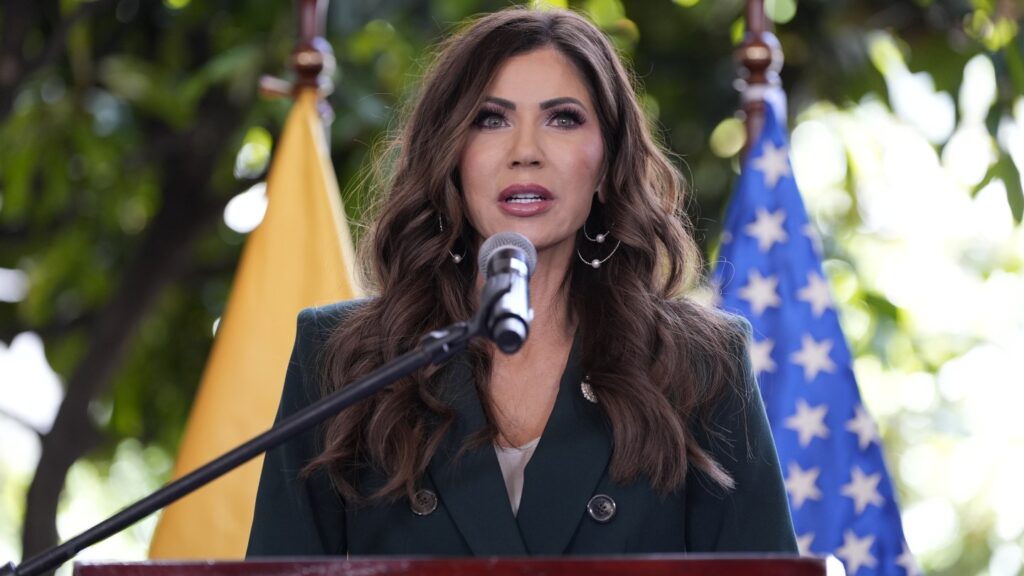
The controversy began when CBS News edited an interview with Kristi Noem, moderated by Margaret Brennan. During the interview, Noem discussed Kilmar Abrego Garcia, a Salvadoran man involved in a deportation dispute. CBS omitted 25 seconds where Noem detailed alleged crimes by Garcia, sparking allegations of “selective editing” by the Department of Homeland Security. In response, Noem accused CBS of obscuring facts about Garcia’s criminal activities.
Response and Future Commitments
Despite CBS News releasing the entire interview and a full transcript online, criticism persisted. This incident echoes a previous dispute involving President Trump and an edited segment with Vice President Kamala Harris, leading to an agreement on transparent interview practices for “60 Minutes.” In response to such controversies, CBS is hiring an ombudsman to handle content complaints effectively, reinforcing its commitment to responsible journalism.
Media Landscape and Trust Issues
This CBS incident highlights a broader trend where traditional media face declining trust levels. While discussions capturing complete dialogues are favored online, TV news must adapt to stay competitive. Some experienced news executives believe offering full interviews and transcripts transparently is essential, though, as the Noem episode suggests, it may not entirely shield networks from criticism. CBS News’s policy update represents a step towards restoring credibility in a scrutinized media environment.