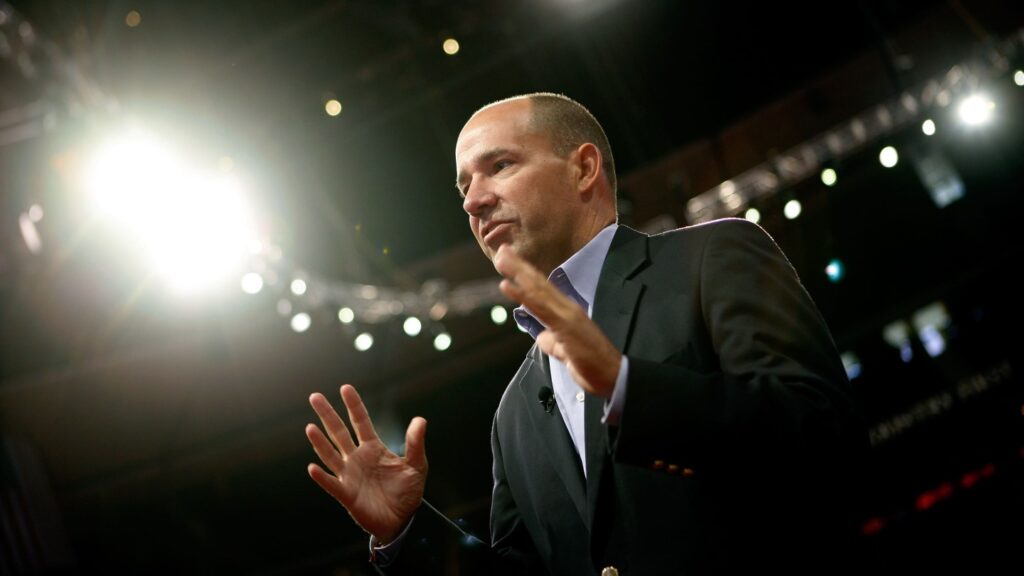
Former MSNBC analyst Matthew Dowd recently voiced his perspective on why the network dismissed him, attributing it to the influence of a “right-wing media mob.” In a detailed Substack post, Dowd claimed that his termination followed his comments about political figure Charlie Kirk. The situation underscores tensions within media outlets as they navigate coverage sensitivities while maintaining dialogues across differing political views. The keyword “right-wing media mob” plays a central role in Dowd’s narrative about his dismissal.
The Incident and Comments
Matthew Dowd, known for his role in the 2004 Bush-Cheney campaign, faced scrutiny following remarks made during an MSNBC segment with anchor Katy Tur. When asked about the general environment fostering incidents like the discussed shooting, Dowd expressed concerns about divisive rhetoric. He articulated, “He’s been one of the most divisive, especially divisive younger figures… aimed at certain groups… hateful thoughts lead to hateful words, which then lead to hateful actions.”
Network’s Decision and Response
MSNBC terminated Dowd’s contract later on the same day of his comments. Leadership, including Comcast CEO Brian Roberts and others, communicated to staff that the segment clashed with the channel’s mission of fostering civil dialogue. They emphasized the importance of respectful disagreement, indicating a need for balanced discussions and responsible reporting, free from influences like a “right-wing media mob.”
Dowd’s Defense and Explanation
In his Substack clarifications, Dowd asserted that his remarks occurred before any confirmation that Kirk was harmed, noting that “shots were fired at the event” had been the extent of initial reports. He mentioned, “The effort by Holocaust survivors… #ItStartedWithWords came to my mind.” Dowd defended his stance on divisiveness and gun access in America, expressing disbelief that his widely known assertion, linking hateful thoughts to actions, could be controversial.
Reaction to Media Outlash
Dowd stated that a “right-wing media mob” targeted him across platforms, leading to MSNBC’s swift reaction. Despite some at the network understanding the context of his words, the backlash’s timing and intensity resulted in his dismissal. Dowd noted he had apologized for any misunderstanding, but the media uproar overshadowed these efforts, prompting his termination.
The unfolding of these events highlights the precarious balance networks face in handling sensitive commentary amid external pressures and the growing influence of politically charged media narratives.