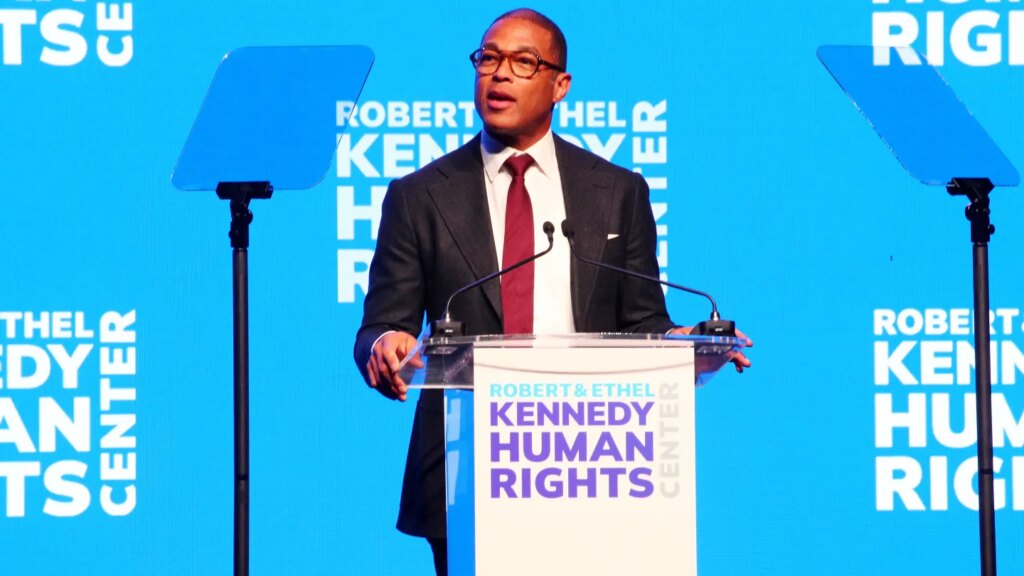
Former CNN anchor Don Lemon has been arrested following an anti-ICE protest at a church in Minnesota, drawing significant attention. The incident, which occurred during a Sunday service, has sparked widespread debate about First Amendment rights and religious freedom. The arrest has raised questions about the balance between freedom of the press and the right to practice religion without disruption, making it a case of national interest.
Details of the Arrest
Don Lemon, a prominent television journalist, was taken into custody by federal agents in Los Angeles after attending the Grammy Awards. According to his attorney, Abbe Lowell, Lemon’s actions in Minneapolis were consistent with his longstanding role as a journalist. “Don has been a journalist for 30 years, and his constitutionally protected work in Minneapolis was no different than what he has always done,” Lowell stated. He emphasized the importance of the First Amendment in protecting journalists who aim to reveal the truth and hold power to account.
The Church Protest
During the protest, Lemon was streaming live from outside a church in St. Paul. Protestors alleged that a church official was involved with a local ICE office. Lemon documented the event by interviewing protestors, congregants, and a pastor inside the church. The protest led to swift controversy, as laws like the FACE Act make it illegal to obstruct religious practices, a key issue considering the setting.
Legal and Political Implications
The incident has become a flashpoint for debate on First Amendment rights. The collision between freedom of religion and freedom of the press may set a significant legal precedent. Conservative influencers and politicians have criticized Lemon, demanding his arrest after viewing the livestream. Although other protestors were arrested last week, an initial attempt to press charges faced judicial hesitation.
Lemon’s Defense
In subsequent interviews, Lemon defended his role, stating he was simply performing his duties as a journalist. His attorney criticized the Justice Department’s priorities, suggesting that focusing on Lemon’s arrest detracts from addressing other pressing issues. “This unprecedented attack on the First Amendment and transparent attempt to distract attention from the many crises facing this administration will not stand,” Lowell asserted. He affirmed that Lemon would vigorously contest the charges in court.
This unfolding situation continues to captivate national attention as it challenges the boundaries of constitutional rights and the responsibilities of the media.