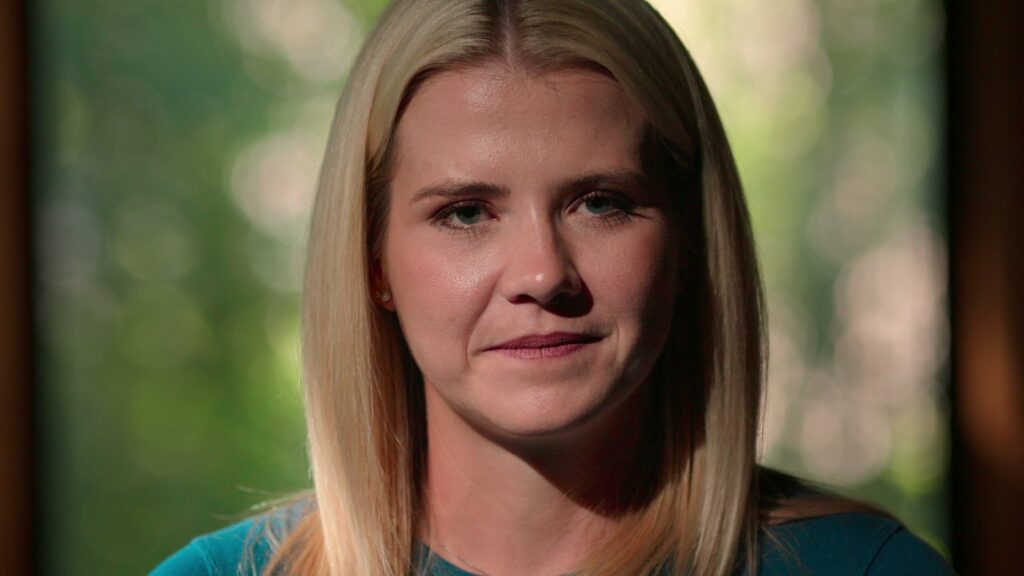
In an upcoming Netflix documentary, Elizabeth Smart courageously revisits the traumatic abduction she survived in 2002. Now aged 38, Smart reflects on the harrowing experience and the intense media scrutiny that followed in “Kidnapped: Elizabeth Smart,” set to premiere on January 21. The documentary provides an in-depth look at her ordeal and offers new insights into her journey toward healing and empowerment.
The Abduction Revisited
Elizabeth Smart was just 14 when she was kidnapped from her Salt Lake City home, enduring nine months of captivity and abuse. This new project allows her to reclaim her narrative. “I wanted to have some ownership over my story,” she stated, emphasizing her initial reluctance to discuss the traumatic events after her rescue.
Her testimony during the trial of her kidnapper, Brian David Mitchell, marked a turning point. “I remember sitting up on the stand, giving these answers, and feeling like there was no context around them,” Smart explained. She recognized the need for her story to have meaning and purpose as it became public knowledge.
Life Sentences and New Threats
Brian David Mitchell is serving a life sentence for the kidnapping, while his accomplice, Wanda Barzee, was sentenced to 15 years and released in 2018. Barzee’s recent arrest for violating her sex offender restrictions after visiting Salt Lake City parks highlights ongoing concerns. Her claim of being “commanded to by the Lord” echoes justifications used during Smart’s abduction, which Smart finds particularly alarming.
A Documentary That Sheds Light
The 91-minute documentary features Smart’s own narrative alongside interviews with family members and investigators. It includes archival footage, some of which has never been publicly viewed. This project joins a series of portrayals of Smart’s story, including a CBS movie and a Lifetime dramatization titled “I Am Elizabeth Smart,” in which she served as executive producer and narrator.
Advocacy and Hope
Beyond revisiting her past, Smart aims to provide support for other survivors of abduction and sexual violence. “I hope they realize they’re not alone, and that they don’t have to be ashamed of what happened to them,” she expressed. Her documentary seeks to foster compassion and understanding for families undergoing similar challenges.
Smart’s message is one of resilience and hope. She wants viewers to see that despite enduring terrible events, it is possible to reclaim a fulfilling life: “I also hope it brings comfort that there are happy endings — and that even after terrible things happen, you can still have a wonderful life.”