In an era where legacy Hollywood faces unprecedented challenges, Warner Bros. Discovery (WBD) has opted for a strategic alliance with Netflix, betting on the stability and resilience of this digital powerhouse. With the media landscape shifting significantly, the decision by David Zaslav and the WBD board to favor Netflix underscores a calculated move towards future-proofing their assets. This article delves into the rationale behind this bold move, its implications, and how it stands to reshape the entertainment industry.
The Negotiation Marathon
After extensive rounds of remote negotiations, the $82.7 billion agreement for Netflix to acquire Warner Bros. and HBO Max was finalized. This historic decision, communicated through teleconferences and digital messaging, marks a significant shift, reflecting modern business practices where in-person celebrations were notably absent.
One of the critical elements in the agreement was WBD’s insistence on a $5.8 billion breakup fee, ensuring that Netflix would remain committed amidst potential hurdles, whether regulatory or otherwise. Despite resistance from various stakeholders, including unions and political figures, the deal demonstrates Netflix’s robust strategic interest in WBD’s esteemed assets.
A Reminiscent Shift with Lessons Learned
The decision to align with Netflix echoes the early 2000s merger of AOL-Time Warner, which ended disastrously due to unforeseen economic shifts. However, unlike AOL’s outdated business model in the dial-up internet era, Netflix presents a resilient and adaptable content streaming model that can withstand market fluctuations.
Netflix’s consistent performance in the media sector over the past decade, buoyed by beloved content like “Bridgerton” and “Stranger Things,” provides a strong foundation that contrasts sharply with Paramount Skydance’s cumbersome financial obligations and uncertain future. This strategic clarity was pivotal in tilting WBD’s decision towards Netflix.
Stakeholder Dynamics and Political Underpinnings
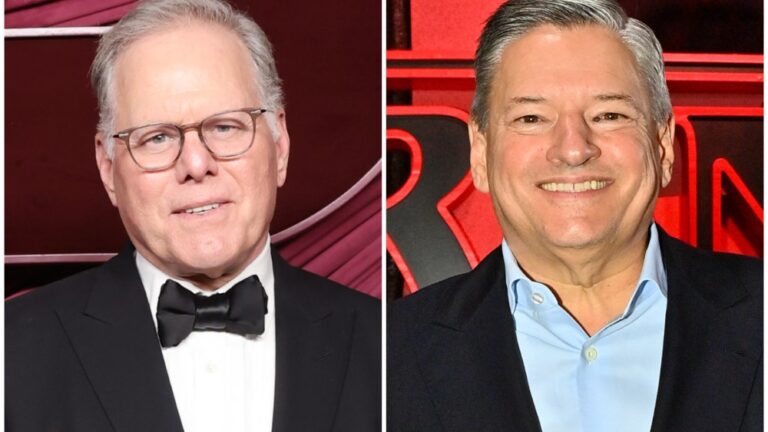
The process was not without its internal dynamics and political nuances. Paramount CEO David Ellison’s aggressive pursuit of WBD strained relations, with some industry insiders speculating about potential favoritism influenced by familial political connections. Nevertheless, Netflix’s co-CEO Ted Sarandos maintained influential contacts, including with President Trump, adding a unique dimension to the negotiation narrative.
WBD’s leadership is now tasked with demonstrating the consumer and creative benefits of this merger, preparing for a protracted regulatory examination that might span 18 months. Despite potential political opposition, Netflix and WBD remain confident that antitrust scrutiny will not substantiate monopoly concerns, given the vibrant competition from platforms like YouTube and TikTok.
Netflix’s Vision for WBD
In their public communications, both companies have emphasized minimal operational overlap, with Netflix planning to sustain HBO Max and Warner Bros. as distinct entities. Although industry experience suggests inevitable streamlining and efficiency-seeking, the merger aims to leverage collective strengths without immediate disruptions.
At the helm of this strategic transition, David Zaslav is focused on executing a smooth handover, ultimately relinquishing his role but securing substantial financial rewards alongside other senior executives. The outcome positions him to conclude his tenure having strategically aligned WBD with a formidable partner in Netflix.