A federal court ruling has concluded that President Donald Trump’s deployment of National Guard troops to Southern California during immigration protests was illegal, marking a significant legal defeat for the administration. This decision comes as a response to California’s lawsuit challenging the deployment, which allegedly violated federal laws prohibiting military involvement in domestic law enforcement. This ruling, set to take effect on September 12, underscores ongoing tensions between state powers and federal directives under Trump’s policies.
Legal Grounds and the Posse Comitatus Act
U.S. District Judge Charles Breyer delivered the ruling in San Francisco, asserting that the Trump administration contravened the Posse Comitatus Act. This law bars military forces from enforcing domestic policies within the United States. The administration argued that the troops were merely supporting federal officers without breaching the law. However, Breyer’s decision highlighted evidence that the troops were engaged in activities beyond their legal authority, implicating the administration in willful violations.
Tensions with California State Officials
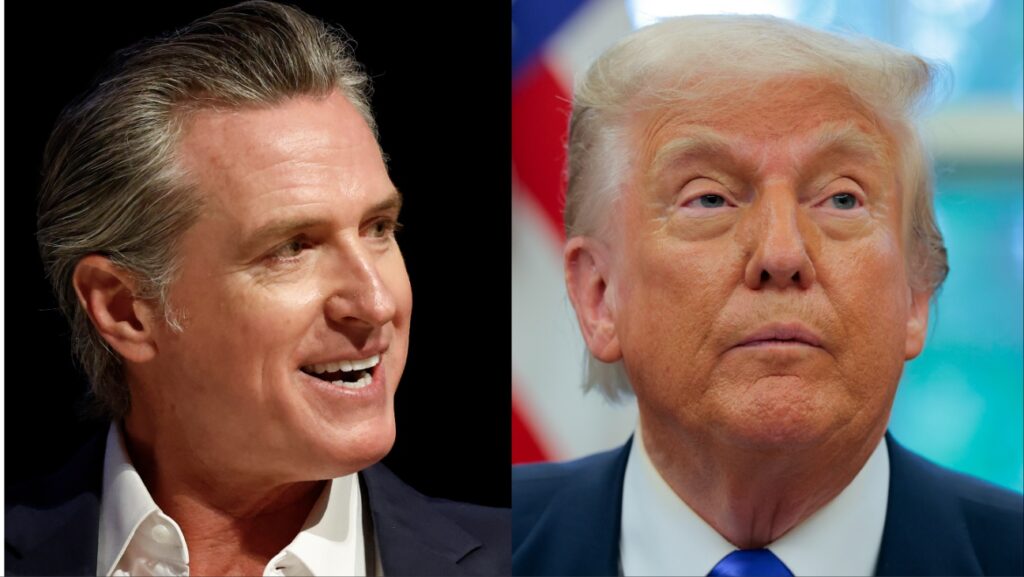
The deployment to Los Angeles occurred over objections from Democratic Gov. Gavin Newsom and local leaders. Newsom, expressing his opposition on social media, criticized what he termed the illegal militarization of American streets. The judge noted that the administration failed to coordinate effectively with state and local authorities, leading to continued legal challenges. This case underscores the friction between federal and state governments during Trump’s tenure, particularly regarding military involvement in civil matters.
The Deployment’s Reach and Implications
The deployment saw around 4,000 National Guard soldiers and 700 Marines arriving in Los Angeles, primarily for crowd control and to establish a military presence. Although many were withdrawn by the end of July, approximately 250 troops remained and faced scrutiny for inadequate training on legal constraints. The legal challenge highlighted broader concerns about federal militarization in U.S. cities, with mentions of potential future deployments in other Democratic-led regions like Chicago and Baltimore.
Constitutional and Legal Concerns
Army Maj. Gen. Scott Sherman testified about initial compliance concerns regarding the Posse Comitatus Act during the troop’s deployment. Despite assurances of a constitutional exception when protecting federal properties, evidence suggested the operations went beyond legal bounds. The ruling emphasized that these actions, including unmarked vehicles and military perimeters, were executed without proper legal justification, testing the limits of military activity on domestic soil.
This decision marks another chapter in the contentious discourse surrounding federal authority, military use in civilian contexts, and the enduring principles of constitutional law.