The recent U.S. court ruling has potentially transformed the mobile app landscape, enabling developers to bypass Apple’s App Store fees for the first time. This decision marks a crucial shift, granting developers new flexibility in choosing their monetization strategies outside Apple’s traditionally stringent framework. As the digital marketplace recalibrates, industry stakeholders anticipate this ruling could redefine the economic and operational dynamics for mobile app creators.
A Shift in the Mobile App Marketplace
The recent court decision underscores a significant shift in the digital world, challenging Apple’s stronghold over in-app purchasing. Historically, Apple mandated developers to use its payment systems, often leading to exorbitant fees of up to 30%. This new ruling permits developers to explore alternative payment avenues, marking a profound change in how apps can be monetized. As creators unlock new freedoms, the market anticipates a rebalancing of power from tech giants to innovative creators and smaller app developers.
Historical Context: Apple’s Tight Grip Loosens
For years, Apple maintained stringent control over its App Store, emphasizing quality and security as the primary justifications. However, this control often led to developer dissatisfaction, particularly over high fees and limited revenue options. The legal battle between Epic Games and Apple brought this issue to the fore, questioning the fairness of Apple’s practices in the digital marketplace. With the court’s latest decision challenging Apple’s practices, developers find an opportunity to capitalize on more diverse income streams, marking a pivotal moment in the tech giant’s dominance.
Financial Implications for Developers
The court ruling offers direct financial benefits for developers, fundamentally altering the economic landscape of app development. By allowing external payment systems, developers can avoid the previously unavoidable transaction fees. This newfound financial flexibility fuels innovation and investment in app development, marketing, and customer retention. The decision is especially significant for small and mid-sized developers, leveling the playing field against larger competitors and opening new revenue avenues.
Operational Opportunities and Challenges
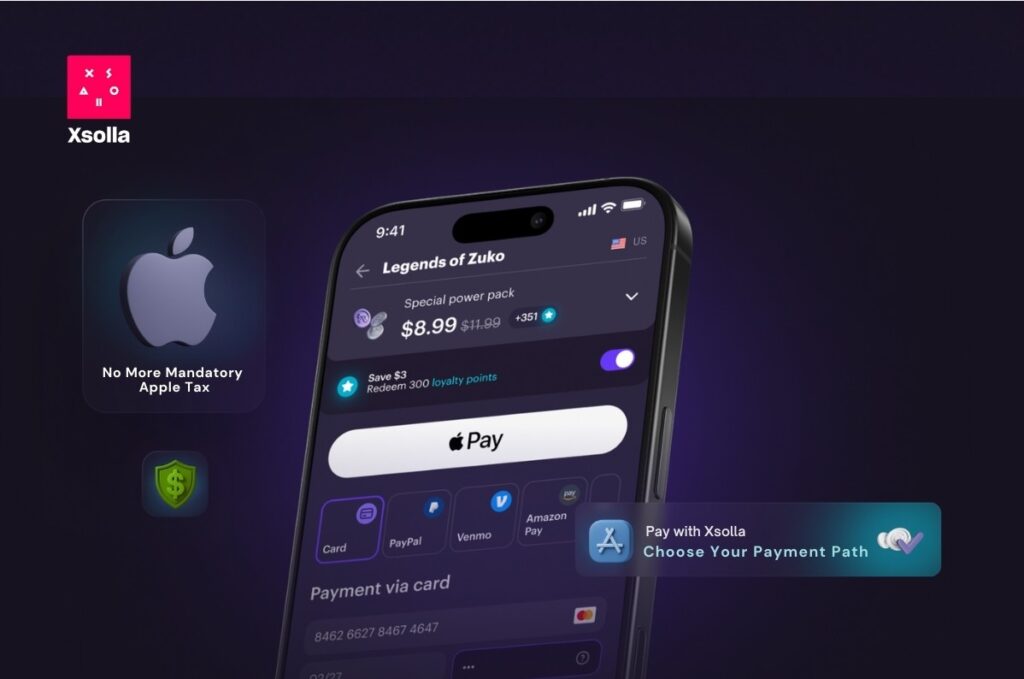
Though developers now enjoy increased financial flexibility, this freedom accompanies operational challenges. Navigating external payment systems requires a focus on security, customer confidence, and data privacy. Companies like Xsolla lead the way by offering solutions that integrate seamlessly with external payment processing, creating secure and user-friendly experiences. Developers must adeptly manage these complexities to fully leverage the potential of newfound operational freedom.
Market Dynamics and Long-Term Industry Impact
The ramifications of this court ruling extend beyond immediate financial impacts, fundamentally influencing market dynamics. By scrutinizing Apple’s practices, regulators signal increased scrutiny on other tech giants, potentially influencing global market policies. As legal experts worldwide explore similar actions, tech companies like Google Play may be prompted to reconsider their policies. This could lead to a more open and transparent marketplace, fostering competition and innovation while benefiting consumers with better services and more creative applications.
The court ruling not only reshapes the immediate landscape of the app economy but also sets the stage for a more equitable digital ecosystem, challenging established titans and encouraging innovation across the industry.