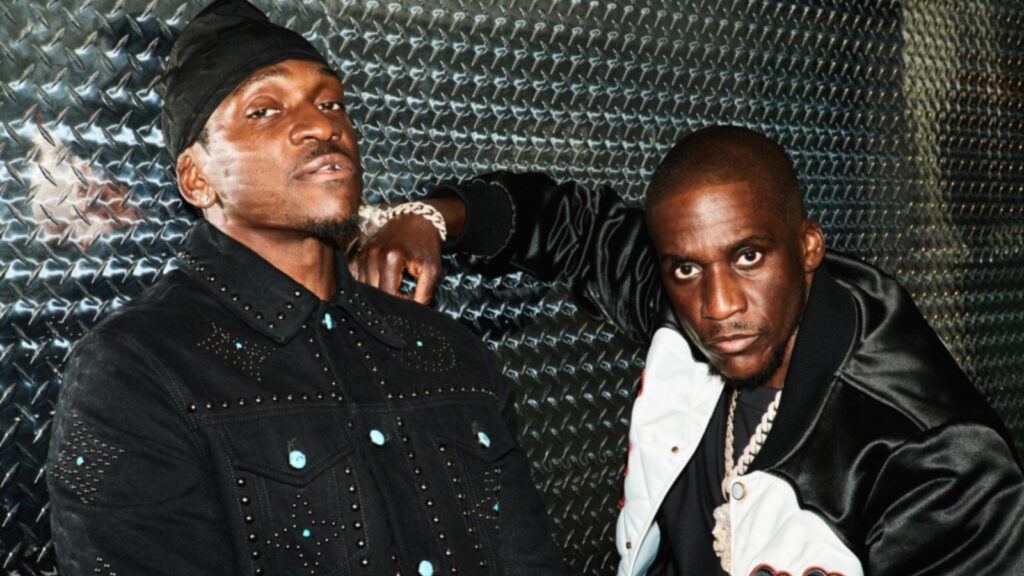
In an era dominated by streaming platforms and social media, the Clipse’s approach to releasing their latest album, Let God Sort Em Out, stands out for its return to a more traditional album rollout. With strategic media engagements and an intentional press strategy, Clipse captivated their audience, showing that the classic methods of music promotion still resonate powerfully today. This meticulous approach not only secured their highest-ever debut on the Billboard Hot 200 but also reignited a connection with an audience nostalgic for the “golden age” of hip-hop media. It worked—and here’s why.
The Power of Traditional Promotion
In its first week, Let God Sort Em Out racked up 118K sales, marking its spot at number 4 on the Billboard Hot 200. This success wasn’t just a triumph of sharp lyrical content but was deeply tied to a media strategy reminiscent of the blog-era rap rollouts of the 2000s. From editorial profiles to a Hot 97 premiere for “So Be It” that included a scavenger hunt for the MP3 file, Clipse’s campaign felt like a nostalgic throwback, diverging from the woes of today’s economic climate. This was more than just a promotional tactic; it was a celebration for rap purists yearning for the era when artists engaged with dedicated journalists.
The Balance of Old and New Media
While Clipse did engage with content creators and podcasters, their commitment to traditional journalism was clear. They managed a perfect balance between relaxed conversations and in-depth interviews, providing fans with rich insights. Known for delivering what fans crave, Clipse satisfied those missing the traditional rap media landscape. In an age where artists often bypass journalists, this thorough and intentional campaign reminded us of the power of genuine storytelling through skilled interviews. But will we see such a compelling story again, driven by artists who value journalistic integrity?
Building Anticipation
The album rollout began well in advance, with features in Vulture and Rolling Stone. By offering two days of access in Norfolk, Clipse allowed a deep dive into their creative journey. Unpublished snippets from these interviews lingered in my mind, highlighting their deep connection to Virginia’s music heritage and Pusha T’s ongoing passion for the culture. Their candidness provided answers to questions fans had long pondered, particularly about Malice’s perceived absence from the rap scene and his current motivations.
A Unique Story in Modern Times
Years ago, editorial coverage would have been the obvious choice for such a narrative. However, with the decline of traditional media, artists now rely on new formats to connect with fans. Yet, the depth and context that skilled journalism provides cannot be matched by podcasts or Instagram Lives. Clipse’s storytelling presents a lesson in maintaining legacy and context, valuable in today’s fast-paced media landscape.
Through platforms like Rolling Stone, GQ, and the New York Times, as well as various video interviews, Clipse’s narrative reached a broad audience. They addressed everything from industry intrigues to their dedication to top-tier hip-hop. However, their approach wasn’t just about intention—it was about timing. The planning phase between finishing and releasing the album allowed them to craft a thoughtful press strategy, overseen by Steven Victor, who used his experience to orchestrate an impactful campaign.
An Enduring Legacy
Clipse’s return after years of hiatus has set an example for future promotions. Pusha T’s solo success and Malice’s thoughtful contributions created a compelling narrative, garnering attention and respect from fans and media alike. Their journey underscores the value of lyricism and journalism—a pairing that, when executed well, can transform the music landscape.
The Clipse rollout was more than just an album promotion; it was a nod to a time when lyrical prowess and thoughtful media engagement ruled. The duo’s return felt like an olive branch to an industry navigating the age of instant gratification, reminding us of the timeless importance of meaningful storytelling and journalistic integrity. The response to their campaign suggests that audiences might not realize what they miss until they experience it at its finest.