At the Zurich Summit, industry experts gathered to highlight a concerning trend: the hostile political climate threatening cinema’s very existence. These discussions underscored how political disruptions and influence are increasingly impacting filmmaking, putting storytellers and their narratives at risk. This situation is becoming a pressing issue for creatives and audiences alike, resonating with the main theme of the summit.
Insights from Industry Leaders
Prominent figures like Kathleen Fournier of Charlotte Street Films and David Unger, CEO of Artist International Group, participated in a critical discussion at the Zurich Film Festival. Alongside Nathanaël Karmitz of MK2 and Stephen Follows, a film data researcher, they explored how political turmoil is reshaping the entertainment industry.
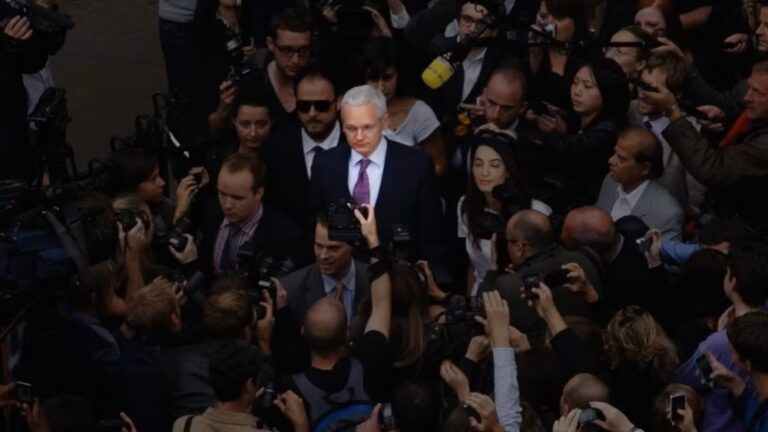
Fournier illustrated these threats by sharing her experiences producing Eugene Jarecki’s “The Six Billion Dollar Man.” Due to legal risks in certain countries, she relocated her team to Berlin to complete the project safely. Her move showcased the challenges filmmakers face in a hostile political climate threatening cinema. “We didn’t feel comfortable editing in the U.K. or U.S. because of laws regarding footage seizure, so we moved to Berlin,” she explained.
Challenges in the Documentary Field
Discussing the documentary landscape, Fournier noted the shift brought by streaming platforms. Many politically nuanced documentaries struggle to find their place on these platforms, straying from traditional storytelling models. “The sort of documentaries you now find tend to be historical or true crime, as they’ve become more market-driven,” she said. This transformation is a significant aspect of the hostile political climate threatening cinema.
Despite these challenges, Fournier remains resolute. “Every epoch has its challenges. Now it’s up to us to stand up for those rights as they get challenged,” she continued. Her film’s critical recognition at prestigious festivals highlights the disconnect between acclaim and distribution opportunities in this changing climate.
The Industry’s Risk Aversion
Film researcher Stephen Follows criticized the industry’s risk-averse nature. “The industry needs more courage, like in the 1970s,” he remarked, highlighting how the current climate stifles innovative storytelling. Follows emphasized the need for proactive actions to counter the industry’s current trajectory.
Meanwhile, Nathanaël Karmitz pointed out the link between politics and cinema. “Culture and cinema are under attack,” he stated, noting the rise of far-right voices on social media platforms discussing films. He urged the industry to organize and counter these assaults effectively.
Optimism Amidst Challenges
Despite the challenges, David Unger expressed optimism, recalling the initial controversies of past cinematic works. He highlighted the critical role of discussions like those at the Zurich Summit in fostering reflection and growth. “Having this dialogue is important, as it forces us to examine the industry’s current state and how we can influence its direction,” Unger asserted.
The dialogue at the Zurich Summit serves as a crucial reminder of the hostile political climate threatening cinema and the industry’s need to adapt and respond. Through collective effort and innovation, filmmakers hope to preserve the art of storytelling in an ever-evolving landscape.