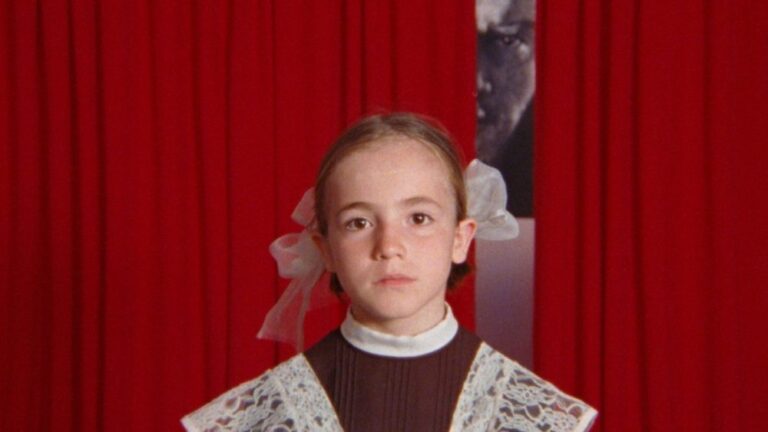
In the evocative film “Memory,” director Vladlena Sandu crafts a haunting memorial collage that vividly encapsulates a child’s experience of war. Drawing from her own upbringing in 1990s Chechnya, Sandu weaves a narrative that is both intimate and universal. This profound reflection on conflict and childhood blends poetic visuals and raw storytelling, offering viewers a deeply personal glimpse into the tumultuous world of war through the eyes of a young girl.
A Cinematic Journey Through Conflict
Vladlena Sandu’s “Memory” is a poignant exploration of her childhood in a war-torn Chechnya. As the film’s writer, director, editor, and narrator, Sandu uses her comprehensive involvement to shape a narrative that is both authentic and affecting. The titular “memory” serves as a haunting collage, piecing together fragments of her experiences in a way that transports the viewer to the heart of conflict. Her vivid depictions bring to life the constant presence of war, symbolized by the imagery of boots under the table and the breath of invaders ever-present.
The Poetic Structure of Remembrance
The film employs a deeply poetic style, accentuating the emotional depth of Sandu’s memories. By leveraging a densely woven narrative structure, “Memory” echoes the chaotic and disjointed nature of recollections often associated with trauma. The strategic use of visuals and sound creates a visceral atmosphere, immersing the audience in the fear and uncertainty that marked Sandu’s childhood. This approach not only heightens the emotional resonance but also serves as a powerful reminder of the impact of war on the innocent.
An Artist’s Tribute to Childhood Lost
Through “Memory,” Sandu pays tribute to both her own lost childhood and the countless untold stories of others who have grown up amidst conflict. The film’s strength lies in its ability to speak to universal themes of loss, survival, and resilience. As a haunting memorial collage, it resonates on a deeply human level, prompting reflection on the lasting scars left by war. Sandu’s narration ties these elements together, guiding the audience through a landscape that is as personal as it is collective.
In “Memory,” Vladlena Sandu offers audiences an unforgettable glimpse into the psyche of a child shaped by war. Through her haunting memorial collage, she not only preserves her own memories but also crafts a powerful testament to the enduring human spirit. Sandu’s nuanced storytelling ensures that the echoes of her experiences will linger in the minds of viewers, serving as a poignant reminder of the enduring impact of conflict.