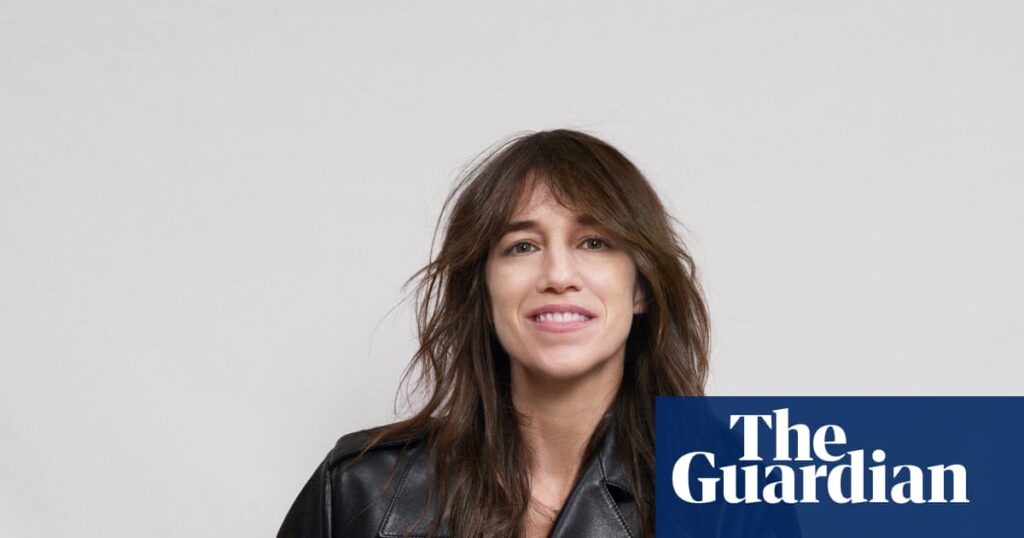
Charlotte Gainsbourg, the accomplished actress and musician, reflects on her recent project, Women on Trial, which delves into the groundbreaking 1972 trial of a teenage girl prosecuted for having an abortion. This pivotal moment in French history, where a group of women challenged the laws surrounding reproductive rights, resonated deeply with Gainsbourg, particularly when she received a photograph of her mother, the legendary actress Jane Birkin, participating in a pro-choice demonstration during that era. “It was very moving,” she shares, recalling seeing her mother “looking beautiful and in the middle of a demonstration.”
Remembering a Pivotal Trial
The film portrays the real-life case of Marie-Claire Chevalier, a 16-year-old who became pregnant as a result of rape and sought an illegal abortion with the assistance of her mother and others. At the trial in Bobigny, the prominent lawyer Gisèle Halimi took on Marie-Claire’s defense, challenging the oppressive laws that criminalized abortion. Gainsbourg, who portrays Halimi, admits: “I had no idea” about the significance of the Bobigny trial, having previously associated the fight for abortion rights primarily with Simone Veil, the health minister who decriminalized abortion in France three years later. As she explained, “I had to catch up.”
The Ongoing Relevance of Women’s Rights
The words spoken by Halimi during the trial—“shame must change sides”—still resonate today, particularly in light of the ongoing struggles surrounding women’s reproductive rights. Gainsbourg notes the irony in the situation, stating, “The fact that it’s the rapist that reports her to the police is just so insane.” The themes explored in Women on Trial echo contemporary challenges, as Gainsbourg acknowledges that women’s rights remain a fragile issue. “You can feel that it’s something very fragile,” she observes, expressing concern over the potential resurgence of extreme political movements. “It’s very scary,” she says, referencing the threats posed by both the far right and far left.
A Family Legacy
Born into a family of remarkable talent, Gainsbourg navigated her legacy as the daughter of Jane Birkin and Serge Gainsbourg. She candidly discusses the pressure of having such striking figures as family. “It was very difficult,” she laughs. “I felt so ugly,” particularly in comparison to her mother and grandmother, Judy Campbell, whom she describes as possessing “high aesthetics.” Although she acknowledges her own beauty now, she admits that growing up, it impacted her self-esteem deeply.
Controversy and Criticism
Gainsbourg’s casting as Halimi has attracted criticism, especially after she signed an open letter in Le Monde condemning rising antisemitism in France. This backlash was magnified when a petition against her involvement in the film gathered 13,000 signatures. While Gainsbourg prefers to avoid discussing the public outcry surrounding her role, she admits to feeling intimidated by the ferocity of the critique. “It’s still violent,” she reflects. Yet, she remains focused on the significance of the film and the lasting impact of Halimi’s work.
Art, Provocation, and Collaboration
Gainsbourg has a history of working with provocative figures, such as controversial director Lars von Trier. Reflecting on her collaborations, she describes them as life-changing, particularly noting the challenges faced and personal growth experienced while filming with him. “Working with him has been such a revelation,” she says. Gainsbourg acknowledges her masochistic tendency to embrace artistic suffering, stating, “Suffering was part of what I enjoyed about working with Lars von Trier.” As she discusses her past experiences and the intricacies of her relationships with provocative artists, she expresses concern over the current climate that often conflates an artist’s work with their personal actions or beliefs.
Future Endeavors
Looking ahead, Gainsbourg is working on a new album and has another film brewing with director Jamie Adams following their previous project, Only What We Carry. As she juggles multiple artistic ventures, her priorities have shifted with time and motherhood. “Having children helped,” she notes, allowing her to focus on what truly matters. Gainsbourg expresses an appreciation for the opportunity to portray formidable women like Gisèle Halimi, while also acknowledging her own vulnerabilities: “I was intimidated by her force, by someone that accomplished so much.”
Catch Gainsbourg introducing Women on Trial at the French Film Festival London, running from November 18 to December 2, with a wider release planned for spring.