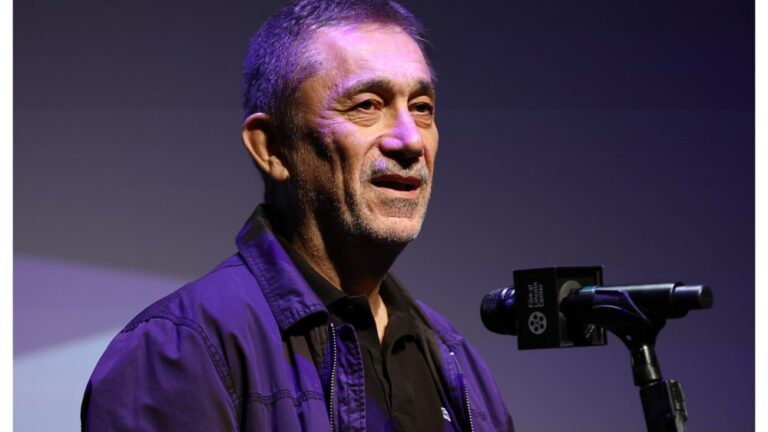
Turkish auteur Nuri Bilge Ceylan has faced backlash for attending Iran‘s government-run Fajr Film Festival, prompting him to clarify his intentions. The acclaimed director, known for his Cannes Palme d’Or-winning film “Winter Sleep,” emphasized that his participation should not be seen as an endorsement of the Iranian regime. This statement comes amid criticism from the Iranian Independent Filmmakers Association (IIFMA), which expressed concerns over the symbolic implications of his presence at the event.
Controversy Surrounding Festival Attendance
Ceylan, who presides over the festival’s jury in Shiraz, was addressed by IIFMA in an open letter that urged him to reconsider his involvement. The association, led by Dubai-based dissident producer Kaveh Farnam, argued that Ceylan’s participation could bolster the government’s portrayal of Iran’s cultural landscape, overshadowing the realities of censorship and repression faced by many artists.
The IIFMA highlighted recent events where Iranian security forces have violently confronted dissident protesters, particularly during the “Woman, Life, Freedom” movement in 2022-2023. They accused the Islamic Republic of using events like the Fajr Film Festival as attempts to normalize the regime’s actions in the eyes of the international community.
Ceylan’s Perspective
Ceylan, whose filmography includes “Three Monkeys,” “Once Upon a Time in Anatolia,” and “The Wild Pear Tree,” responded by emphasizing the significance of cultural exchange. He stated, “Boycotting a festival can be understood as a form of resistance, yet depriving the people who live there of the films to be shown, for any reason, feels like punishing them.” His statement underscored the importance of supporting the vibrant film culture within Iran.
He shared that past interactions at the festival, such as meeting prominent filmmakers and offering masterclasses, have highlighted the exceptional drive among young Iranian filmmakers and students. For Ceylan, these interactions represent opportunities to inspire and foster hope amidst challenging circumstances.
Art Over Politics
Ceylan also addressed the broader context of political influence on film festivals worldwide, noting that many rely on state support. He stated, “Rejecting participation for political reasons feels like sacrificing art to politics.” For him, engaging in festivals transcends political boundaries, affirming the role of culture and art as universal and independent of governmental agendas.
“Festival participation should not be interpreted as support for governments but as a way of crossing the boundaries political regimes create,” Ceylan concluded, advocating for art’s ability to unite and inspire across divided landscapes.