Steve Irwin’s Dad Bob Irwin Tears Into Wannabe ‘Crocodile Hunter’ Influencer
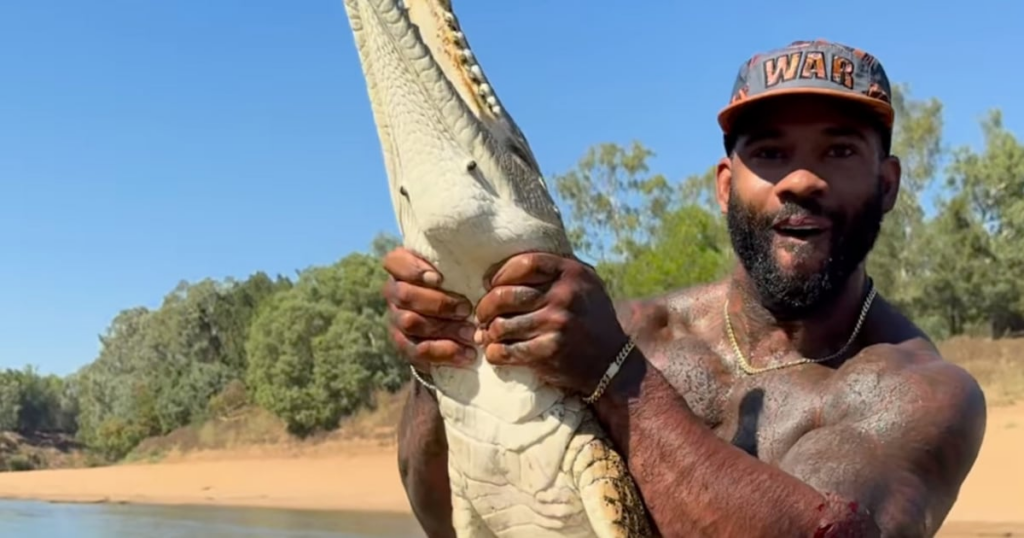
The legacy of the Irwin family continues to spark conversations, especially regarding wildlife preservation. Recently, Steve Irwin’s dad, Bob Irwin, voiced his fierce disapproval of an American influencer who filmed himself grappling with crocodiles in Australia. This backlash came on the heels of investigations into the influencer, known as Mike Holston or “The Real Tarzann.” As Bob Irwin publicly criticizes reckless behavior towards wildlife, he reignites a debate about responsibility in content creation, emphasizing that this issue transcends his late son’s legacy. In a statement filled with conviction, Bob Irwin’s concerns highlight the growing trend of sensationalism in animal interactions promoted by digital platforms.
A Call for Responsible Content Creation
Bob Irwin has always been a staunch advocate for crocodiles and their protection, often speaking out against those who jeopardize the welfare of wildlife for the sake of entertainment. Following the investigation into Holston’s antics, he expressed his belief that influencers engaging in dangerous stunts should face serious consequences. “We should throw d–khead legislation at them and boot them out the door,” he declared, reflecting his frustration with a growing number of content creators who harm rather than protect wildlife.
The Dangers of Glorifying Reckless Behavior
“This isn’t a Steve Irwin issue. This is about an individual illegally interfering with protected fauna,” Bob Irwin pointed out, underscoring the legal implications of such behavior. His remarks illustrate a deeper concern regarding the portrayal of wildlife interactions in social media culture. He stressed, “Anyone who actually knows how to handle crocodiles knows they don’t respond well to capture.” This specialized skill is crucial in avoiding stress-related health issues in the animals, which Holston evidently overlooked during his escapade.
The Impact of Influencer Culture
Bob Irwin further articulated his disdain for influencers who disregard animal welfare, stating, “That’s exactly what content creators like the Real Tarzann are in my books: d–kheads. Because anyone who harms wildlife for fun, is.” His comments resonate with a larger audience that values ethical wildlife practices over sensationalized entertainment. As authorities investigate Holston’s activities, it’s imperative to reflect on the responsibilities inherent in wildlife interaction, especially on public platforms.
The Consequences of Wildlife Interference
As the investigation unfolds, it has been highlighted that interfering with saltwater crocodiles can incur hefty fines. Currently, the on-the-spot penalty for such actions stands at $8,345, potentially escalating to a maximum of $37,000. Bob Irwin argues that these financial repercussions are insignificant compared to the substantial earnings influencers can garner from their videos. This disparity raises questions about the ethics of wildlife encounters in the digital age and the dire need for stricter regulations to mitigate harmful practices.
As conversations about wildlife protection continue to unfold, Bob Irwin’s passionate stance against reckless influencers serves as a reminder of the impact of digital content on nature and the responsibilities that creators hold. The enduring legacy of Steve Irwin is reflected not only in the love for wildlife but also in the urgent call to prioritize their safety and well-being over entertainment. The dialogue sparked by Bob Irwin may encourage necessary reforms in how wildlife interactions are depicted online, fostering a culture of respect rather than recklessness.