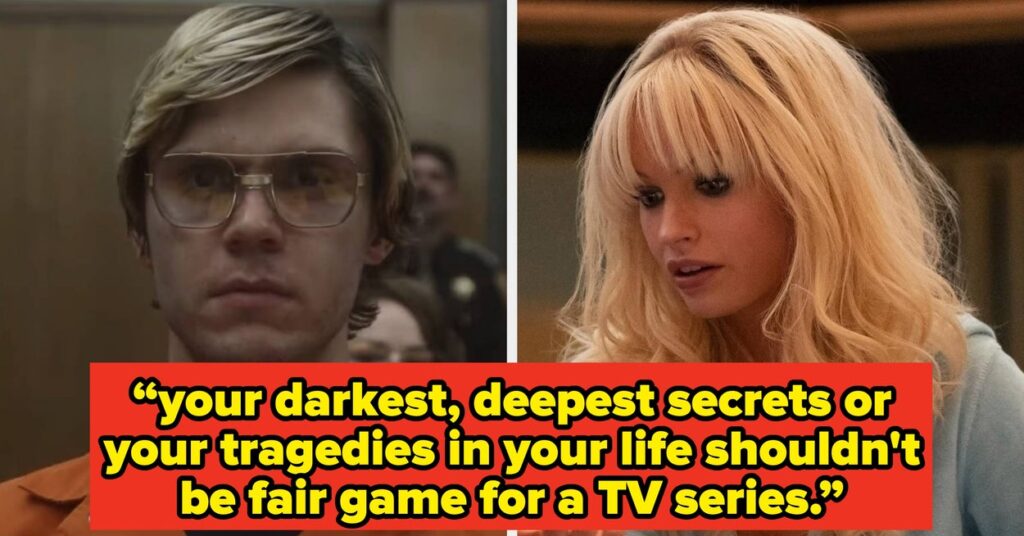
Biopics often paint vivid yet controversial portraits of real-life individuals, sparking intense discussions regarding their authenticity. In the realm of cinema, some biopics have garnered significant backlash from the very people they portray and their families. This article delves into biopics that were criticized by the real people and their families, exploring how these portrayals have sparked debates about accuracy, representation, and artistic license.
One notable example is the film centered around the highly publicized case of Erik and Lyle Menendez. Families can play a crucial role in shaping narratives, and in this case, relatives of the Menendez brothers issued a powerful statement condemning the film. They expressed their dismay over what they described as a “character assassination” under the guise of storytelling. The statement read, “The character assassination of Erik and Lyle, who are our nephews and cousins, under the guise of a ‘story telling narrative’ is repulsive. We know these men. We grew up with them since they were boys. We love them and to this very day we are close to them. We also know what went on in their home and the unimaginably turbulent lives they have endured. Several of us were eyewitnesses to many atrocities one should never have to bear witness to.”
Such comments highlight how the impact of a biopic can extend beyond the screen, affecting familial relationships and public perception. While filmmakers often strive for dramatic effect and emotional resonance, the families of those portrayed may take issue with how their loved ones’ stories are interpreted and presented. This leads to a deeper conversation about the ethical responsibilities of filmmakers and their obligations to truthfulness and sensitivity.
Another film that faced significant backlash is “The Fifty Shades of Grey.” Based on the book series by E.L. James, the film drew criticism from the author’s family for its depiction of BDSM and relationships, which they argued didn’t accurately represent the complexities of their true experiences. The author’s parents voiced concerns about how some narrative choices might reinforce negative stereotypes around intimacy and relationships, pushing them to question the authenticity of such portrayals.
In the realm of sports, biopics like “Ali” and “The Blind Side” have also encountered criticisms. Family members of Muhammad Ali openly shared their disapproval over certain inaccuracies in his biopic, arguing that critical nuances and aspects of his life were glossed over for dramatic purposes. Similarly, the family of the subject in “The Blind Side” contended that the film took liberties with the narrative, presenting a skewed vision of their loved one’s life and challenges, leading to controversy over representation in the media.
The criticism these biopics have attracted underscores the complex dynamic between artistic interpretation and factual accuracy. For those portrayed, seeing their life stories transformed into entertainment can be jarring, particularly when key elements are misrepresented or overlooked. The phenomenon of biopics that were criticized by the real people and their families highlights the need for filmmakers to approach sensitive subjects with care and a commitment to authenticity, fostering a landscape where real stories are honored rather than sensationalized.