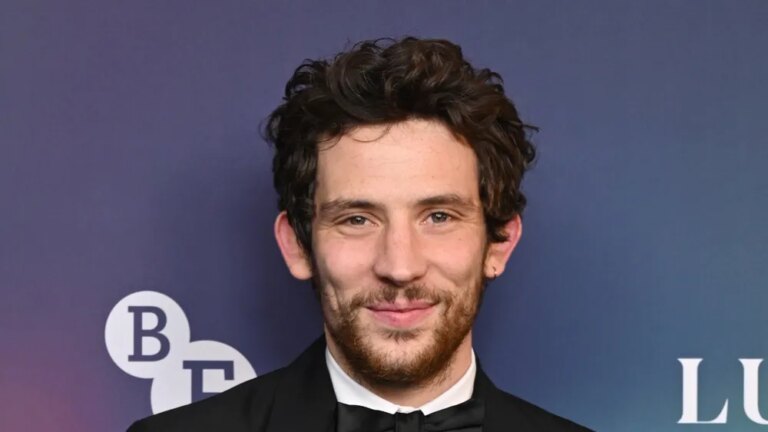
The Toronto International Film Festival (TIFF) continues to celebrate its breakout hit, “Obsession.” After selling out last year, this horror indie not only propelled digital creator Curry Barker into the spotlight as a director but also positioned star Inde Navarrette as a serious contender in this year’s awards discussions. As TIFF reflects on this success, the festival hosted Barker and Navarrette for a keynote conversation, marking a significant moment in their careers and highlighting the growing influence of platforms like YouTube in the film industry.
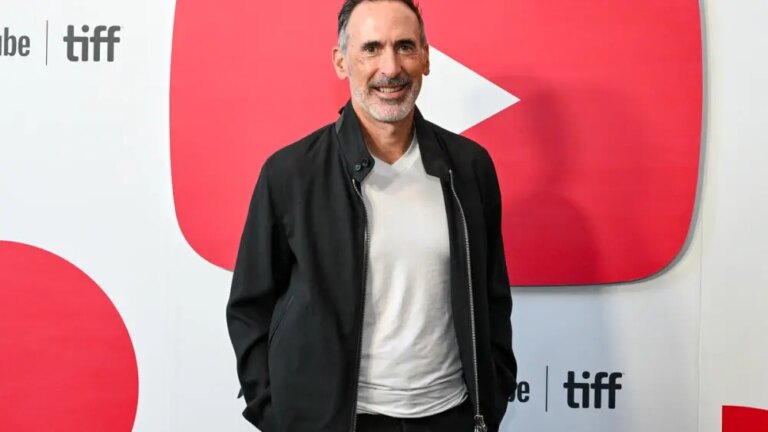
The partnership between YouTube and TIFF signifies a shift in how legacy media views emerging talent, as demonstrated by a recent creators summit hosted by Variety, featuring notable figures such as comedian Ziwe and adventurer Mark Vins. During the event, Sean Downey, Google’s head of ad sales and partnerships for the Americas, shared insights on the evolving landscape of advertising and entertainment, particularly in relation to the “Obsession” phenomenon.
YouTube’s Role in Emerging Talent
Sean Downey emphasized that YouTube serves as a diverse platform for creative content—both short and long form—that resonates with audiences. He stated, “It’s authentic in that it reaches audiences on interests they care most about. There’s trust, and that’s valuable.” This authenticity boosts advertiser confidence, knowing they will engage with attentive audiences who seek fresh content. “For us,” Downey added, “it’s about the communities that advertisers can reach.”
The Impact of the “Obsession” Effect
Downey believes that the influence of “Obsession” is palpable in the advertising sector, as brands increasingly recognize YouTube as a premium entertainment platform. “The advertising community has known for years that YouTube is the future of entertainment,” he noted. “It’s more about, ‘How do you effectively use a creator to further your brand message?’” He points out that traditional methods like billboards are ineffective on platforms like YouTube, where brands can embed themselves within narrative content, fostering a deeper connection with audiences.
Creators Versus Influencers
As the conversation progresses, Downey distinguishes between creators and influencers, asserting that YouTube nurtures an environment conducive to meaningful engagement with audiences. “Creators are different than influencers. YouTube allows you to have engagement with a community,” he explained. Successful creators often derive content ideas from their audiences, which promotes a storytelling dynamic that differs from short-lived influencer promotions. “Brands understand that because they recognize this is a community that can build long-term relationships,” Downey added.
Integrating Advertisers into Live Events
Looking ahead, Downey expressed enthusiasm for the upcoming integration of advertisers with YouTube’s first broadcast of the Academy Awards in 2029. He acknowledged the cultural significance of live events and how they create opportunities for storytelling. “The Oscars are obviously an awards show, but there’s a whole culture, community, and stories to be told around it,” he said. This creates avenues for deeper engagement with audiences that extend beyond mere award presentations.
Brand Response to YouTube’s Growing Influence
Downey reported a positive response from brands following YouTube’s announcement regarding its event partnerships, emphasizing that they view the platform as a “surround sound investment.” Advertisers appreciate the storytelling potential and the cultural micro-cultures that YouTube fosters around various narratives. He described how sponsorship packages can blend ad space with creators, allowing brands to integrate seamlessly with content that remains on the platform long after the initial event. “It only accumulates views and brands get a lot of reach,” he concluded.