Basque cinema is making significant waves at the San Sebastián International Film Festival, capturing attention with standout titles like “Maspalomas,” “Karmele,” and “Sundays.” This surge highlights how regional film industries, once considered marginal, are now actively influencing Spain’s national cinema landscape. The spotlight on Basque cinema reveals not only the richness of its stories but also the strategic prowess of its producers in pushing these narratives to the forefront.
The Rise of Basque Cinema
Basque cinema has emerged as a powerhouse, with 75% of Spanish competition titles at San Sebastián being fully or partially Basque. Films like José Mari Goenaga and Aitor Arregi’s “Maspalomas” and Asier Altuna’s “Karmele” are prime examples of this rising influence. These projects reflect the strategic vision of producers such as Xabi Berzosa and Marian Fernández Pascal, who are pivotal in elevating Basque storytelling on the national stage.
Exploring New Narratives
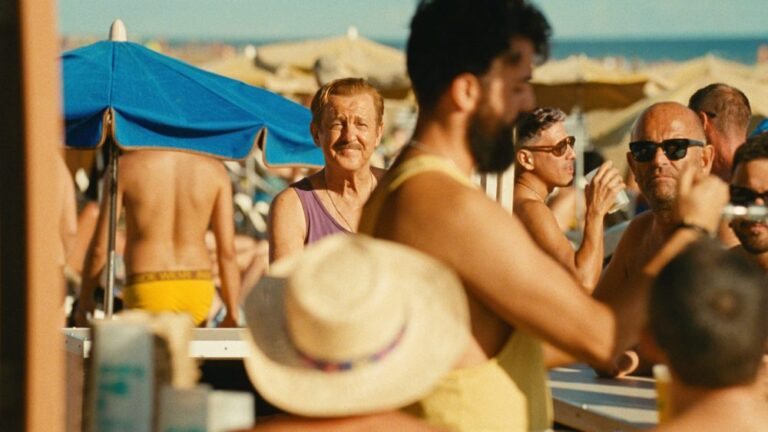
“Maspalomas,” a pure Basque production, brings to the screen a nuanced story of a late-life coming out and subsequent retreat within the settings of Gran Canaria’s vibrant gay scene and a San Sebastián nursing home. Director Goenaga shared with Variety the unique inspiration, saying, “I went to Maspalomas for the first time in 2016, and I thought this was a reality rarely seen in cinema.” Producer Berzosa’s decision to shoot on 35mm film added an evocative layer to the narrative, aiming for an atmosphere that digital simply couldn’t replicate.
Adapting Historical Epics
Altuna’s “Karmele” takes viewers through a historical journey, adapted from Kirmen Uribe’s novel “The Hour of Waking Together.” Spanning various continents and decades, it captures the essence of exile and love across borders. Producer Fernández Pascal embraced the challenge of condensing this epic tale into a motion picture under two hours, utilizing the resources of Basque TV and government support for its production. “The language isn’t the problem — the story is,” Pascal notes, emphasizing the natural choice to produce the film in Basque.
A Diverse Conference Line-up
Beyond “Maspalomas” and “Karmele,” Basque cinema’s presence in San Sebastián extends to Alauda Ruiz de Azúa’s Spanish-language “Sundays,” which has garnered positive reactions. Co-productions, such as Movistar Plus+ features and Netflix originals, further diversify the festival’s offerings. This interconnectedness with larger production entities reflects a growing trend of collaboration, as highlighted by Pascal’s openness to international co-productions despite challenging times.
As the festival highlights Basque cinema’s vitality, both Berzosa and Pascal express a shared awareness of industry challenges. The emphasis remains on maintaining traditional cinema experiences amidst a digital shift. “The industry is changing so fast. We need to stay flexible,” says Pascal. Basque cinema continues to thrive through collaboration and adaptability, promising a bright horizon with its compelling blend of ambitious epics and intimate stories.