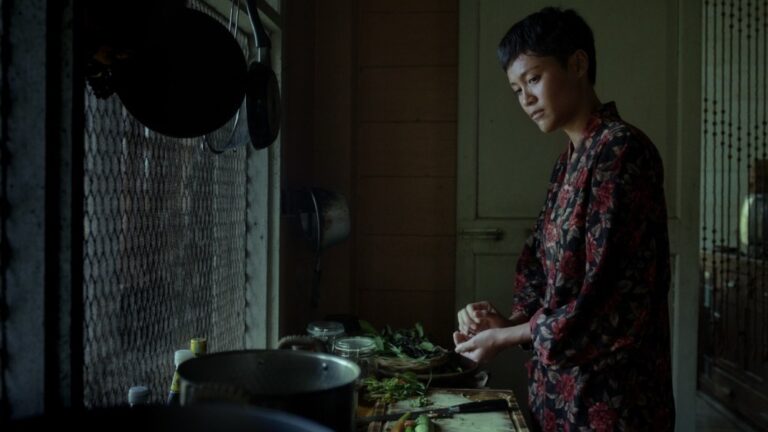
Film co-productions in Asia face significant hurdles, especially concerning cash flow, as noted by the team behind “Morte Cucina” at the Tokyo Market. This article explores the financial struggles that Asian co-productions encounter, emphasizing the complex landscape of film financing across countries like Thailand, Singapore, Taiwan, France, and Luxembourg.
Balancing National Requirements
During a seminar at TIFFCOM, the team shared insights into managing film co-productions across five countries. Each nation has distinct requirements, complicating the allocation of creative and technical roles. For example, Singapore’s IMDA mandates hiring local “media talents,” which impacted the film’s production by requiring the inclusion of Singaporean crew members.
Roles such as lead cast member, first assistant camera operator, and wardrobe staff traveled to Thailand for filming. Meanwhile, Luxembourg focused on sound mixing, while VFX, foley, and color grading were completed in Taiwan.
Directorial and Production Flexibility
Director Pen-ek Ratanaruang collaborated with producer Soros Sukhum, managing demands while maintaining artistic vision. Ratanaruang emphasized the importance of prioritizing key crew elements, allowing flexibility in other areas, which enhanced creativity in producing.
Cinematographer Christopher Doyle’s consistent style simplified post-production processes. Ratanaruang’s trust in his crew enabled smooth collaboration despite the challenges of working with unfamiliar color grading techniques in Taiwan.
Structural Financing Challenges
Asian co-productions struggle with limited financing options. Unlike Europe or America, where banks frequently provide loans to film productions, Asia lacks similar cash flow facilities. “Morte Cucina” relied on unconventional funding, such as loans from wealthy individuals, to cover its $1.3 million budget.
Producer Soros Sukhum described how they incentivized early payments from investors, offering a 5% premium, to navigate financial hurdles. These strategies highlight the financial creativity needed in Asian co-productions.
Navigating Policy Changes and Co-Production Rules
Frequent policy changes by national film bodies add another layer of complexity. Co-producer Stefano Centini noted that European networks offer stability, whereas Asian regulations can be unpredictable, complicating collaboration.
Moreover, political changes can influence national film organizations, affecting long-term planning. Despite these challenges, Asia offers more flexible investment percentages for qualifying co-productions, which can be advantageous.
In summary, the Asian co-production landscape presents unique challenges, particularly in financing. “Morte Cucina” exemplifies the adaptability and creativity required to successfully navigate these complexities.