In the cinematic world of Nia DaCosta’s “Hedda,” artisans have skillfully crafted an aristocratic mid-century English setting, melding classic elements with modern sensibilities. This creative vision, described by hair and makeup artist Sharon A. Martin as “classic modernity,” showcases a blend of time periods, enhancing the film’s narrative complexity. As the artisans dive into the creation of these sets, they reveal how they manifest Hedda’s manipulative nature within the intricate design and aesthetic choices.
Classic Modernity: A New Artistic Vision
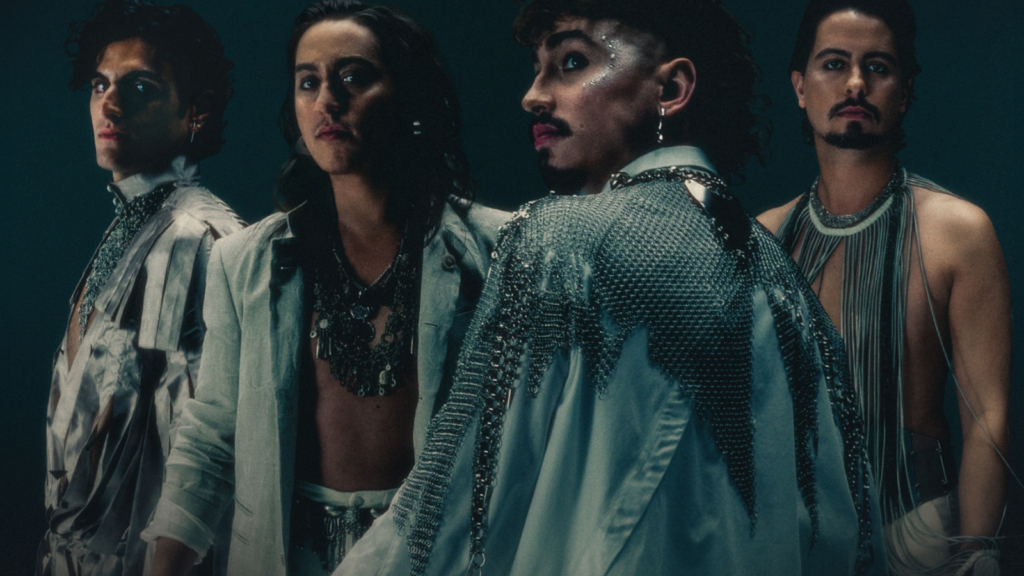
The concept of “classic modernity,” introduced by Sharon A. Martin, encapsulates the film’s unique exploration of a bygone era through a modern lens. “It’s [a] very period [film], but then it could also be [a mix of] today and the period that we had to play with,” Martin explains during a Variety Artisans Spotlight. This duality provided Martin with the creative freedom to develop distinct looks for the film’s characters, blending historical influences with contemporary flair.
Martin elaborates on this artistic playground, noting, “Because we had the two groups of friends, it gave me a lot of scope to play around with the shapes and the looks.” With Hedda’s friends leaning into future-inspired styles and George’s friends appearing more traditional, the visual contrast enriches the movie’s thematic depth.
Collaborative Efforts in Creating an Eccentric Landscape
Joining Martin in the ambitious project are artisans like editor Jacob Schulsinger, costume designer Lindsay Pugh, and production designer Cara Brower. Collectively, they transformed Henrik Ibsen’s classic play into a visually stunning spectacle. Brower highlights director Nia DaCosta’s vision for a house with romantic and eccentric qualities, achieving this atmosphere at Flint Hall, which perfectly matched their creative vision.
DaCosta’s reinterpretation involves gender-swapping a key character, adding layers to the story. In designing the characters’ aesthetics, Pugh sought to differentiate Gabler and Eileen’s styles, reflecting their emotional journeys. She explains, “There’s a script point that I had to work around that had to be built into the design…in a very feminine way, [to] replicate a man’s suit and shirt.”
Masterful Costume and Makeup Design
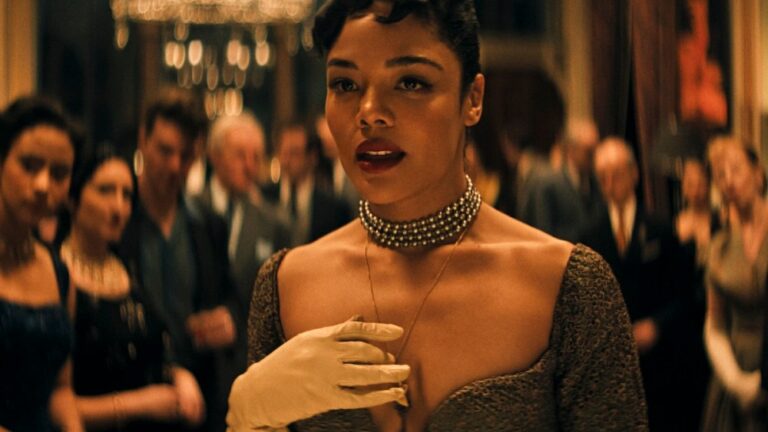
A key element in “Hedda” is the costume and makeup work. Pugh and Martin meticulously crafted Hedda’s appearance to symbolize her manipulative traits. Pugh describes Hedda’s signature green dress, strategically chosen to allow the character to “camouflage” within her surroundings. This outfit features a harmonious blend of green with silk and lace, ensuring it complements Tessa Thompson’s skin tone without overpowering her.
Martin’s makeup artistry further enhances this theme, with a focus on maintaining the illusion of perfection. She developed the ideal shade of red for Thompson’s lips, which remained flawless throughout the film. “Her lipstick…is always just perfect and always on,” Martin notes, highlighting the continuous effort to maintain Hedda’s composed facade.
Choreographing Cinematic Moments
Among the film’s memorable scenes is one featuring a crashing chandelier, initially intended for a ballroom setting. The scene instead unfolds within a glass conservatory, amplifying the narrative’s dramatic flair. Brower explains the meticulous planning involved, ensuring the chandelier’s fall was both safe and visually impactful. “It gave us a reason to use that space too,” she says, detailing the engineering precision required to capture the moment from multiple angles.
The artisans’ dedication and creativity culminate in a film that captivates audiences with its visual elegance and nuanced storytelling. Through the lens of “classic modernity,” “Hedda” invites viewers into a richly crafted world where every detail contributes to the unfolding drama.