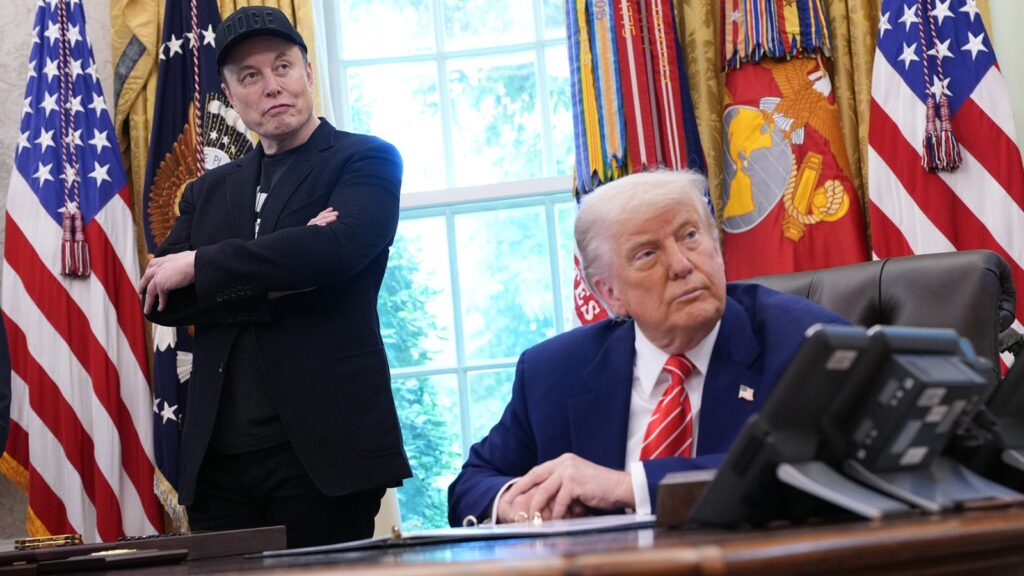
The Trump administration’s creation of the so-called Department of Government Efficiency (DOGE) promised to cut federal expenses and reduce workforce inefficiencies, presenting this as a major governmental overhaul. However, as details emerged, it became clear that the greatest victims of this initiative were America‘s veterans — truly some of the nation’s greatest heroes. Through a mishandling of federal duties, the very people who had served the country found themselves disadvantaged, revealing an administration that prioritized its own agenda over the well-being of those who served.
Promises of Efficiency
The DOGE was introduced with grand ambitions to save America trillions by revamping federal systems, but the reality was quite different. Instead of reform, what followed was chaos. Political insiders dismantled veteran-owned business contracts, terminated thousands of veteran employees, and scrapped crucial Department of Veterans Affairs programs. Ironically, this very department, named with a nod to a popular cryptocurrency, was dissolved before its charter ended, having failed spectacularly at achieving its stated mission.
An Unveiling Disaster
One of the most significant impacts was seen in the lives of U.S. veterans. Their roles in government were disproportionately targeted, with mass layoffs of veteran employees and the destabilization of their support systems. These weren’t just jobs; they were lifelines for disabled veterans and essential sources of stability for families supported by VA services. The administration claimed substantial savings, yet these were mostly fictional; only a fraction could be verified, and none contributed to reducing the national deficit.
The VA Under Siege
The Department of Veterans Affairs bore the brunt of DOGE’s destructive policies. Trump boasted of firing “thousands,” while the administration envisioned colossal layoffs — initially 80,000 but scaled down to 30,000 workers. This was compounded by hiring freezes and a reduction formula that ensured failure. Critical shortages in staff, such as nurses and physicians, plagued facilities nationwide, pushing the VA towards privatization. DOGE became a tool to convert public support services into profit-driven ventures.
The Fallout and Future Implications
Looking at the aftermath of DOGE, it’s clear that the so-called savings were illusory, causing more harm than good. Veterans face future difficulties — from mortgage defaults to unmet benefits claims. As the Trump economy strains, veterans who have been pushed out of federal service will find fewer opportunities, exacerbating the issues. Moving forward, accountability is crucial. Those responsible for this mismanagement must answer for their actions to prevent such disarray from occurring again.
As political landscapes shift, it’s vital to remember these failures and protect those who have sacrificed so much for their country. America’s greatest heroes deserve better, and their treatment must be at the forefront of future policymaking.