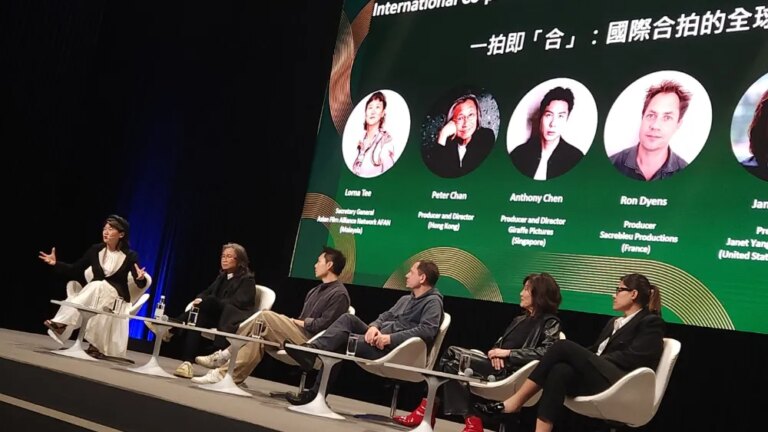
At a recent Hong Kong FilMart panel, renowned filmmaker Peter Chan Ho-sun shared a provocative vision for the future of cinema, predicting that artificial intelligence could replace blockbuster films within three years. The prospect of AI reshaping the landscape poses intriguing possibilities and challenges for the film industry, particularly in the realm of commercial cinema.
AI as a Game Changer
Peter Chan, celebrated for films like “She’s Got No Name” and “Dragon,” addressed the turbulent state of blockbuster filmmaking at the panel. Reflecting on his Hollywood experiences from the late 90s, he declared, “Those days of the blockbusters are gone.” In a rapidly evolving industry marked by fragmented markets, streaming services, and AI advancements, Chan believes we are experiencing the “worst times” for large-scale productions.
Chan is well-versed in both intimate human dramas and grand epics, making his insights particularly compelling. He emphasized, “AI can replace any blockbuster or commercial film in three years.” His assertion underscores the pressing need for the industry to adapt to technological advancements while maintaining creative integrity.
The Role of Co-Productions
The panel, moderated by Lorna Tee of the Asian Film Alliance Network, also explored how international co-productions have become essential in broadening market reach. As Sharmin Yusof, CEO of Malaysia’s SKOP Productions, explained, expanding into new territories like Indonesia and Thailand is vital due to limited growth opportunities at home. Co-productions allow for a more expansive audience, providing films with multiple domestic markets.
For animation, co-productions are somewhat streamlined. According to Oscar-winner Ron Dyens, “It’s easier to do co-production because you can split the work.” This contrasts with live-action films that must consider cultural and geographical authenticity.
Streamers and Subtitles
The influence of streaming platforms on cinema was another hot topic. Janet Yang, president of the Academy of Motion Picture Arts and Sciences, highlighted how streamers have acclimated audiences to subtitles, breaking down international barriers. She remarked, “The fact that a non-English language film could win best picture as in ‘Parasite,’ was mind-boggling.”
Conversely, Chan criticized the reliance on data analytics by streaming services, warning that such practices could mislead marketing efforts. Big data, he cautioned, might prioritize commercial appeal over authenticity, potentially stifling creative expression.
The Personal Touch in Film Marketing
Sharmin Yusof and Janet Yang further addressed the role of authenticity in film marketing. Yusof emphasized the resurgence of personal engagement with audiences, stating, “Now, the road tour marketing has come back because people are there.” By fostering sincere connections with viewers, filmmakers can enhance audience involvement and appreciation.
Yang proposed a future where personal branding becomes central to marketing. She observed, “It will become more and more incumbent upon artists to carve their own path and become their own ecosystem.” By owning and distributing their work, creators can navigate the evolving landscape on their terms.
As Peter Chan’s predictions about AI and blockbusters echo through the industry, it remains clear that adaptation, authenticity, and innovation are key to navigating the future of cinema.