Amid ongoing debates about immigration and law enforcement, the White House has recently dismissed Bruce Springsteen’s protest song targeting ICE operations as “random” and “irrelevant.” The stark commentary reflects broader tensions between artistic expression and political narratives, especially surrounding the controversial actions of Immigration and Customs Enforcement. This article delves into the saga, examining the clash of opinions between the Trump administration and critics like Springsteen, whose impactful song, “Streets of Minneapolis,” has sparked significant attention.
Springsteen’s Bold Message
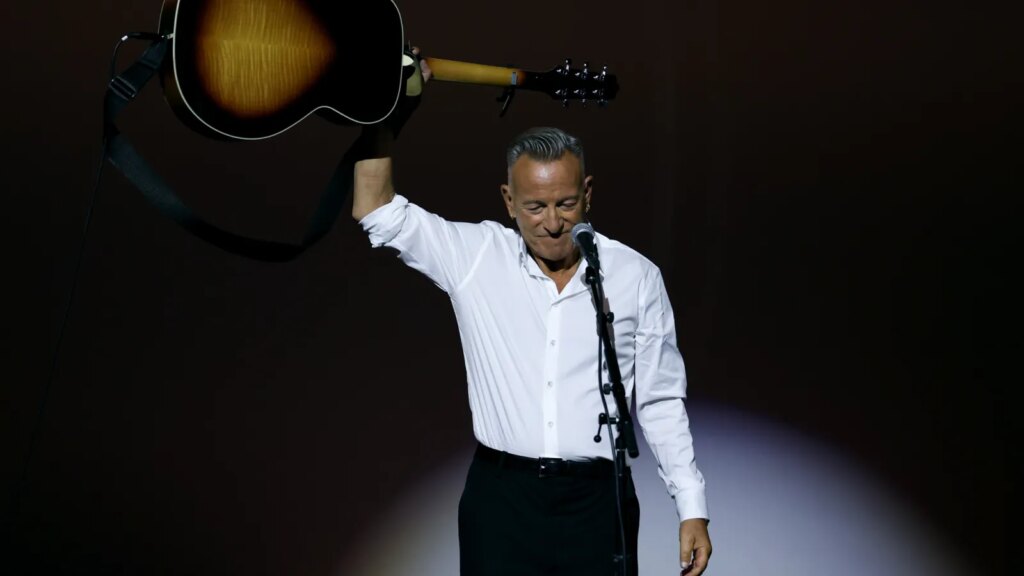
Bruce Springsteen’s protest song “Streets of Minneapolis” casts a critical eye on ICE’s treatment of undocumented individuals and the tragic killing of U.S. citizens in Minneapolis. The song openly challenges federal actions, urging resistance against perceived tyranny. In a statement upon the song’s release, Springsteen expressed solidarity with Minneapolis, dedicating his work to victims Alex Pretti and Renée Good, and to the city’s immigrant community. Springsteen’s direct approach underscores persistent calls for justice and humanity in immigration practices.
White House Response
The White House, however, was quick to downplay the influence of Springsteen’s musical protest. Spokeswoman Abigail Jackson, in remarks to The Hollywood Reporter, dismissed the song as a distraction, emphasizing that the administration’s focus remained on working with Democrats to address immigration concerns. Jackson criticized what she described as inaccurate portrayals, redirecting media attention to the administration’s ongoing law enforcement collaborations.
Political Dynamics and Public Reactions
Despite official dismissals, the public’s reaction suggests a different narrative. Protests against ICE actions, particularly in Minneapolis, mirror the sentiments conveyed in Springsteen’s work. Prominent figures, including Republican senators, have voiced concerns about ICE operations, reflecting bipartisan anxiety over enforcement strategies. These developments highlight a nuanced political landscape where music and protest intersect with official policy debates.
The Growing Soundtrack of Protest
The climate of dissent is further amplified by an increasing number of protest songs gaining traction online. Artists like NOFX, My Morning Jacket, and Billy Bragg join Springsteen in using their platforms to challenge prevailing narratives. “Streets of Minneapolis” has already achieved millions of views, illustrating the powerful role of art in voicing societal concerns and engaging audiences globally. This trend underscores the relevance and impact of creative protest in shaping public discourse.