“The Souffleur” is a masterful exploration of identity, loss, and the comedic unraveling of ambition in the face of change. With his latest film, Argentine director Gastón Solnicki dives into the life of a hotel manager at a crumbling Vienna establishment, capturing a bleakly comedic satire. The film features Willem Dafoe in a standout role, as his character navigates the impending demise of his beloved hotel with a mix of determination and despair. As Solnicki and Dafoe weave this narrative together, the film becomes an impactful meditation on transformation and existential humor.
The Unraveling of Lucius
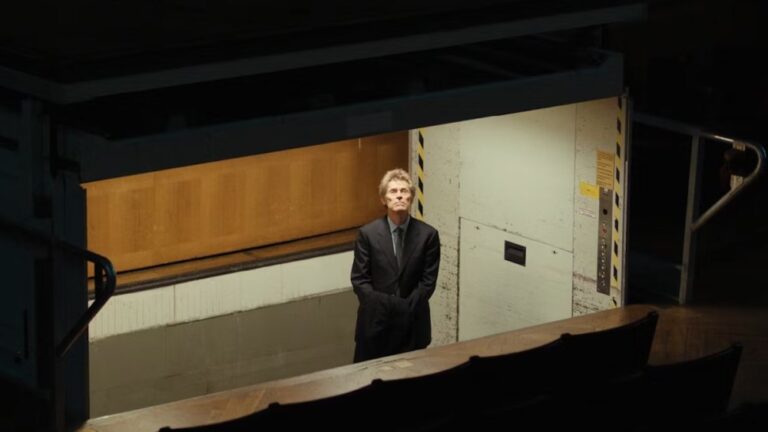
The storyline revolves around Lucius (Willem Dafoe), who discovers that the Intercontinental Hotel in Vienna, where he has been a long-standing manager, is sold to an Argentine developer, portrayed by Solnicki himself. This revelation leaves Lucius reeling, grappling with a blend of anger and melancholy over the building’s fate. The hotel stands as a metaphor for broader societal shifts, symbolizing a fading Europe on the brink of oblivion. The absence of guests, the silence of its once-bustling rink, and the fading tradition of its signature cocktails—all become a poignant reflection of the inevitable march of time.
Symbolism and Style
The dish the film shares its title with, the soufflé, emerges as a poetic metaphor for the hotel’s decline. As Dafoe’s Lucius battles—albeit unsuccessfully—against the foreign takeover, “The Souffleur” centers more on the emotional tapestry of the characters than on linear plot progression. This shift allows the viewer to immerse in the minute details that convey Lucius’s internal and external struggles. The collaboration with Julia Niemann enriches this approach, ensuring the film resonates with its audience on a personal level.
Visual and Performative Excellence
Portuguese cinematographer Rui Poças brings an exquisite visual texture to the film, rendering the spaces within and around the hotel with tender attention. The scenes featuring Lucius invoke a deep appreciation for the environment he cherishes, from the pristine dining settings to intimate moments on the hotel rooftop. Dafoe’s performance is a graceful balance of humor and pathos, encapsulating Lucius’s personal conflict with a comedic edge. His playful antics, such as disrupting the hotel’s electricity, illustrate his defiance and provide a delightful contrast to the solemnity surrounding him.
The Unique Blend of Humor and Reflection
Despite its themes of decline, “The Souffleur” is far from somber; it carries a wry comedic spirit throughout. Solnicki utilizes Dafoe’s distinct charisma to create a nuanced character study that veers between the mundane and the absurd. The language barrier between Lucius and the new owner Facundo becomes a source of humor, highlighting the cultural chasm with cleverness and wit. Their interactions add layers to the film, presenting a universal tale of miscommunication and connection.
Ultimately, “The Souffleur” showcases Solnicki’s distinct cinematic voice, adeptly combining structure and spontaneity. The film’s vignettes stitch together a poignant narrative that lingers in the viewer’s mind, much like Dafoe’s enigmatic smile, achieving a balance of hilarity and introspection.