In the ever-evolving landscape of Russian conflicts, filmmakers at the Venice Days sidebar of the Venice Film Festival are shedding light on historical parallels between Russia’s past involvement in the Chechen wars and its contemporary silence over Ukraine. Through compelling storytelling, these new films capture the essence of Russia’s ‘willing blindness,’ offering insights into how past conflicts reverberate in today’s geopolitical scenario.
Exploring Past Conflicts Through Film
More than three years after Russia’s full-scale invasion of Ukraine, two films are premiering at the Venice Days sidebar, delving into Russia’s past conflicts. These films highlight the ‘willing blindness’ theme by focusing on the Kremlin’s campaigns in Chechnya, drawing unsettling comparisons to current events in Ukraine.
“Memory,” a poignant documentary by Vladlena Sandu, opens the Venice Days strand. It seeks to process the trauma inflicted during the first Chechen war in the 1990s. The personal nature of the film reflects the director’s childhood experiences amidst the conflict.
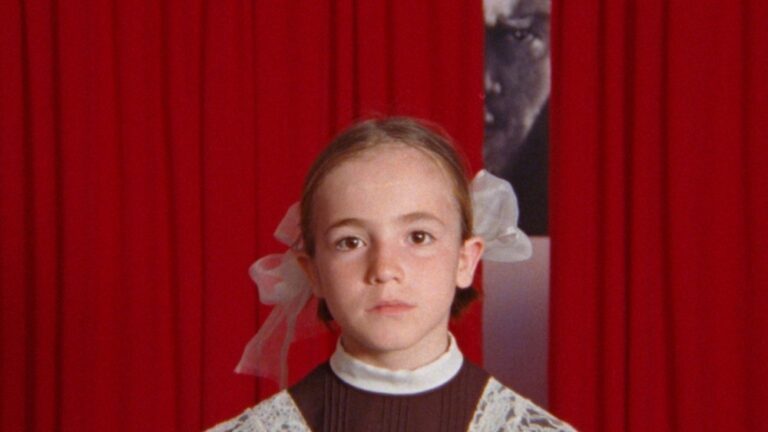
On the other hand, “Short Summer” by Nastia Korkia delves into the Second Chechen War, presenting a tender coming-of-age narrative. This story features an 8-year-old girl navigating her grandparents’ crumbling marriage, metaphorically dealing with the ‘willing blindness’ of society towards the political unrest surrounding them.
Parallels to Contemporary Issues
The striking theme of ‘willing blindness’ resonates in both films, mirroring the mechanisms of violence and repression that defined the Chechen wars and are echoed in Russia’s actions today. As with the Chechen conflicts, silence pervades the ongoing situation in Ukraine.
Nastia Korkia notes, “The most important [thing] is not to stand up, is not to protest, because if you do, the machine of the state will destroy you.” This sentiment encapsulates the oppressive atmosphere both then and now.
In “Short Summer,” conflict occurs off-camera, reminiscent of Korkia’s own experiences growing up away from the war’s frontlines. She comments on the “willing blindness” exhibited by Russians during this time, a pattern repeated in the Ukraine conflict.
Personal Stories Amidst Conflict
Vladlena Sandu’s “Memory” not only aims to confront personal trauma but also documents the harrowing events in Chechnya, often ignored by the Kremlin and Russian society. Sandu’s story is one of survival and resilience, having moved to Grozny before the Russian invasion and bombardment.
Her return to Grozny decades later to film “Memory” was fraught with danger, necessitating secrecy and deception to navigate the oppressive environment. Sandu portrayed her project as a “patriotic film” to secure permits, underscoring the risk filmmakers face when challenging narratives approved by the state.
A Continuing Struggle
The challenges faced by these filmmakers underscore a continuing struggle to confront Russia’s ‘willing blindness’ toward its military actions. Sandu, arrested in Moscow while campaigning for peace in early 2022, realized she was at risk due to her Ukrainian background and relocated to Amsterdam.
While living in exile, both Sandu and Korkia remain committed to telling stories that challenge silences and witness the truths of the past. “I don’t have a choice to be silent,” Sandu declares, emphasizing her role as a witness to history and a storyteller dedicated to shedding light on forgotten and ignored atrocities.