Following a devastating defeat in the 2026 midterm elections, Donald Trump has been seeking ways to reshape Washington, D.C., in his vision. However, a recent ruling by federal judge Tanya Chutkan is proving that the might of state bureaucracy is not easily overcome, even for the former president.
Judge Halts Construction of Trump’s Triumphal Arch
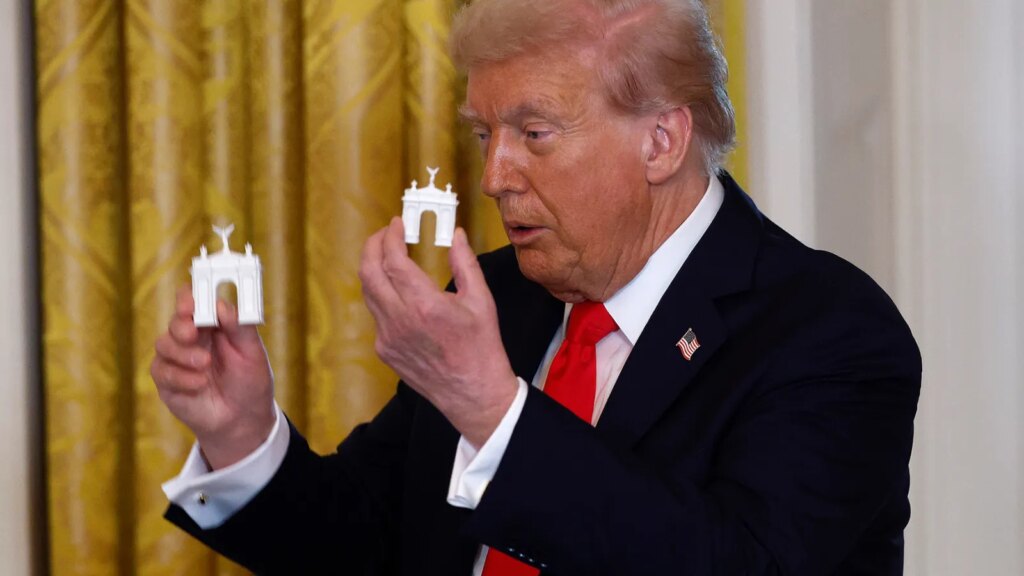
On Thursday, Judge Chutkan of the District of Columbia issued a ruling that halted construction of Trump’s ambitious beautification project—the Military Triumphal Arch—pending the outcome of a combined legal case involving both Trump and the National Parks Service. The ruling’s timing was particularly unfortunate for Trump, as the White House was in the midst of unveiling a sleek new website dedicated to the project, showcasing 3D renderings and grand visuals of the structure that might never materialize.
A Monument to the American Spirit.
The Military Triumphal Arch will honor the heroes who gave everything for our nation – a monumental tribute to America’s first 250 years & a symbol of the next 250.
A legacy of freedom. A future without limits.
— The White House (@WhiteHouse) November 6, 2026
Past Interactions with Trump
This ruling marks another chapter in Chutkan’s history with Trump, having previously overseen his criminal trial in 2023 regarding attempts to overturn the 2020 election. That case was dismissed only after Trump won the presidency in 2024, based on the principle that a sitting president cannot be prosecuted. Chutkan’s relationship with Trump has not been entirely adversarial, as she allowed the Department of Government Efficiency (DOGE) to access federal employee data in 2025, despite objections from plaintiffs.
Chutkan’s Firm Ruling
In this latest ruling, however, Chutkan was less forgiving, emphasizing that the arguments presented by the government were unsubstantiated. She addressed claims that the arch would serve as a “generational national defense opportunity” and potentially aid in deterring assassination attempts on the president. Chutkan pointed out that these assertions appeared for the first time in the government’s opposition brief, indicating a lack of substantial basis in the planning documents submitted for review.
Her ruling reflects skepticism toward the motivations behind the arch, suggesting that the Trump administration might be attempting to create justifications for its construction rather than providing credible evidence of necessity.
White House Response
Following the ruling, White House spokesperson Davis Ingle expressed disappointment, stating, “The White House commends the National Capital Planning Commission’s decision to fully approve President Trump’s historic vision to build a much-needed Triumphal Arch in Washington, D.C. An activist district court thereafter blocked the construction of the project.”
Trust Issues Within Legal Framework
This ruling parallels concerns raised by another federal judge, Ana C. Reyes, who recently criticized Trump administration lawyers for attempting to mislead the court regarding renovations of the East Potomac Golf Links. Both judges have underscored a trust deficit with the administration’s legal tactics, indicating a general skepticism about the motives driving Trump’s ambitious projects.
Implications for Trump
Trump, known for leveraging legal teams to navigate challenges throughout his life—whether in real estate, legal disputes, or political endeavors—now faces a more formidable judicial environment. With the declining support for his administration, it appears increasingly unlikely that judges will readily accommodate his projects or aspirations.
Despite these challenges, Trump is likely to persist in his attempts to realize his vision for grand monuments in Washington, as these projects may currently represent his remaining avenues for solace amidst political setbacks.