The prospect of imposing 100% tariffs on films produced outside the United States has raised eyebrows across the entertainment industry. Steven Paul, a veteran U.S. film producer, recently addressed these concerns, deeming the tariffs on film as not viable. While attending the Doha Film Festival, Paul expressed optimism that the contentious idea would not become reality. This discussion has sparked significant debate, shedding light on the complexities and potential repercussions of such a policy.
Challenges of Tariff Implementation
During the inaugural Doha Film Festival, Steven Paul, who is a special advisor to Jon Voight—a close ambassador to former President Donald Trump on Hollywood matters—voiced his skepticism about the feasibility of tariffs on film. “It’s very difficult to tariff the entertainment business and I don’t think it would be good if there were tariffs on the entertainment business,” he stated.
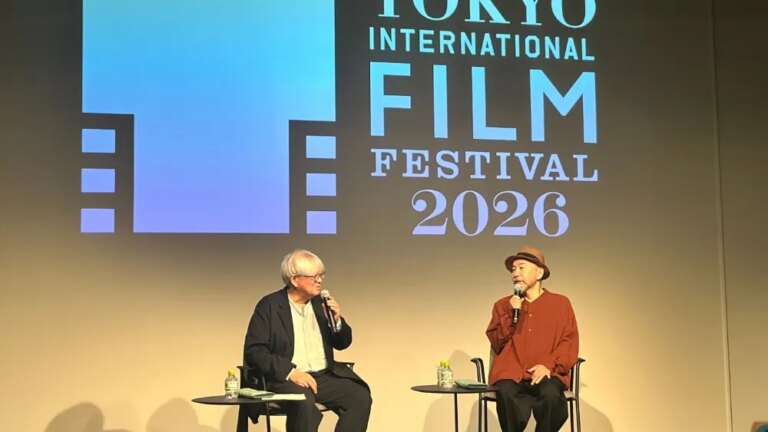
Paul’s comments came during a masterclass at the festival’s Industry Days, where he tackled the controversial topic of film tariffs, which Trump mentioned twice in recent years, causing apprehension within the global film industry.
Hope for Alternative Solutions
Expressing his hope to avoid the tariffs on film, Paul advocated for cooperative international efforts instead. “I am hopeful that we won’t be going down that path, but we will introduce coproductions and tax credits and all of that, because I also don’t want us only filming in the United States,” he said. Paul emphasized the importance of treaties to facilitate collaboration between countries like Doha and America, underscoring the mutual benefits of such alliances.
Roots of the Tariff Proposal
Paul elaborated on how the tariffs controversy arose. “We went around all of Hollywood: the idea was, there weren’t enough films being made in the U.S.,” he explained. Pointing to the high costs of filming domestically and attractive international tax incentives, he noted, “Productions have been going everywhere in the world, England, Australia, Bulgaria.”
With the goal of revitalizing the American film industry, Paul and his associates crafted a comprehensive plan, which they presented to Trump. This plan included enhanced tax credits, co-production ideas, and infrastructure initiatives, all aimed at making the U.S. more competitive in the film industry.
The Mar-a-Lago Meeting
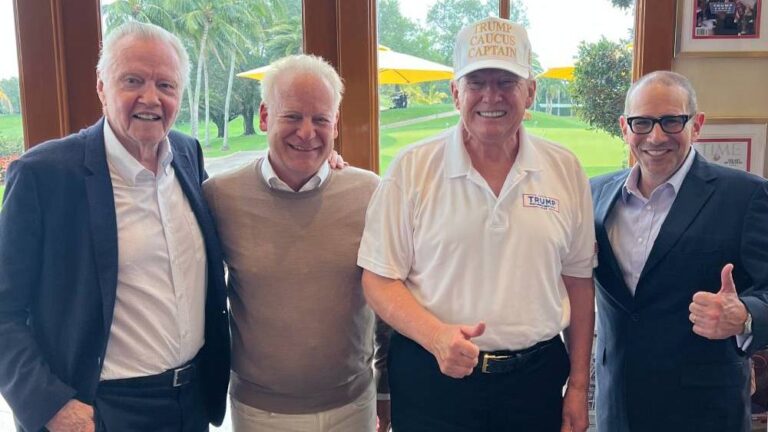
Paul recalled a pivotal meeting with Trump at Mar-a-Lago, where they presented their strategic proposals. “We gave the whole list to the president. We’re sitting there in Mar-a-Lago. And one of the things that he liked, 20 pages in, was the word ‘tariffs,’” Paul said. This singular focus on tariffs garnered significant media attention, sparking widespread discussion about the practicality and potential impact of imposing tariffs on film.
As conversations about tariffs on film continue, industry leaders like Steven Paul remain hopeful that alternative solutions centered around international collaboration and domestic incentives will take precedence, fostering a more thriving global film industry.