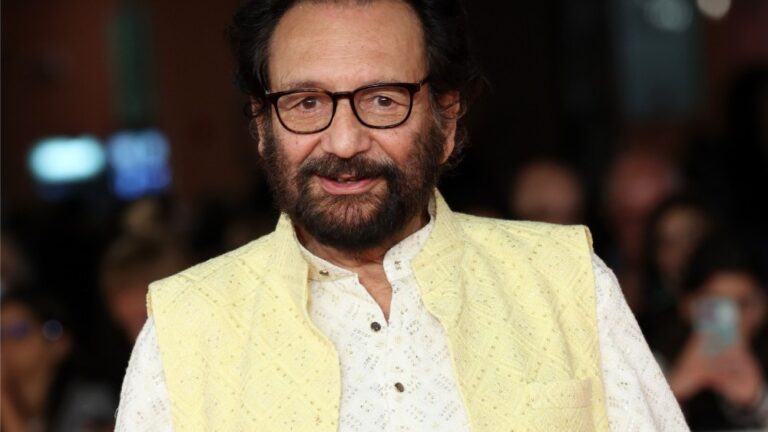
The esteemed filmmaker Shekhar Kapur, currently at the helm of the International Film Festival of India (IFFI), is envisioning a transformative future for the iconic Goa-based event. As it approaches its 56th edition, Kapur’s strategy emphasizes the integration of cutting-edge technology, dynamic audience engagement, and the expansion of global film market opportunities. This visionary approach aligns with the evolving landscape of international film festivals and aims to solidify IFFI’s status on the global stage.
Technological Innovation and AI Integration
Shekhar Kapur’s blueprint for IFFI is centered on the integration of artificial intelligence and emerging technologies into the festival’s framework. Speaking on this initiative, Kapur revealed the introduction of an AI hackathon as part of the WAVES Film Bazaar, featuring collaborations with industry giants like Larsen & Toubro and Google. “AI is becoming such a big controversy all over the world, but it’s so democratic. It’s a completely democratic medium. It’s trying to give more people more tools,” Kapur explained, highlighting his belief in technology’s role in democratizing the film industry.
Incentives for International Co-Productions
India’s enhanced production incentive program plays a crucial role in Kapur’s vision, increasing cash rebates for international productions from 30% to 40%. Kapur cites the British-Indian production “Santosh” as a successful example, noting, “The producer of ‘Santosh’ actually got his 30% back, and he said it was the easiest deal he’s ever made.” This initiative is designed to attract more international filmmakers to India, contributing to the country’s growing presence in global cinema.
Expansion of the WAVES Film Bazaar
The WAVES Film Bazaar, a pivotal element of IFFI, is positioned as a hub for international collaboration. Kapur sees this as an opportunity to draw filmmakers from around the world, especially those of Indian or Asian origin, to pitch their projects. “We’re hoping to attract a lot more people to the WAVES Film Bazaar,” Kapur states, emphasizing the importance of creating a vibrant marketplace for film co-production and financing.
A Carnival-Style Celebration for the Public
In an effort to broaden the festival’s appeal, Kapur has introduced a carnival-style opening ceremony to engage local audiences. This move aims to transform IFFI from an industry-centric event to a celebration for all. “The International Film Festival of India is the only film festival in the world that is called Indian Film Festival,” he points out, contrasting it with city-focused festivals like Venice and Toronto. This initiative is part of Kapur’s broader goal to increase festival attendance from 20,000 to 50,000, welcoming more general audiences.
As the International Film Festival of India approaches its next edition, Kapur’s vision is set to redefine its role on the international stage. With technological advancements, strategic partnerships, and a focus on inclusivity, IFFI is poised to become a beacon for both filmmakers and cinema enthusiasts worldwide. The festival, running from November 20-28, promises to offer its best lineup of international films yet, underscoring its commitment to showcasing world-class cinema.