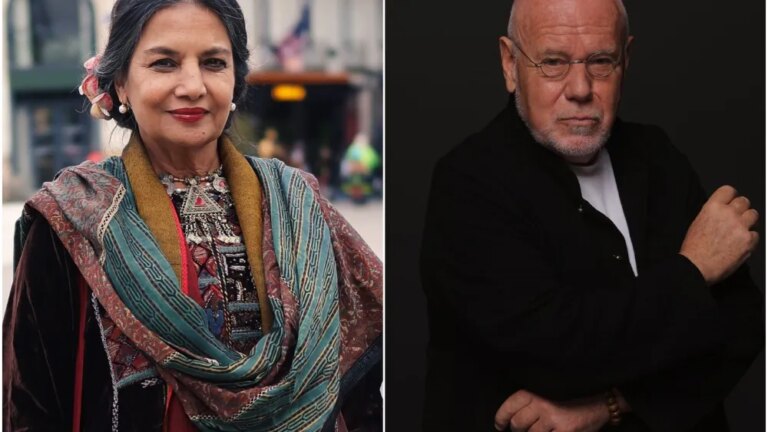
The inaugural Kathmandu Film Festival (KFF), a vibrant cultural initiative, will take place from October 30 to November 1 in Nepal, featuring celebrated veteran Indian actor Shabana Azmi and prominent film critic and historian Marco Müller among its esteemed guests.
Celebrating Cinema Across Cultures
Launched by the Kathmandu Metropolitan City, this three-day festival aims to showcase the richness of independent cinema from both Nepal and around the globe. The event will present an exciting selection of 40 films hailing from 14 different countries, featuring various strands such as the International Panorama, Nepal Panorama Shorts, a retrospective of restored Nepali features, and outdoor screenings. Filmmakers and artists from across Asia are also expected to be in attendance. KFF is established to foster cultural ties and highlight Kathmandu’s status as a UNESCO Creative City of Film.
A Curated Showcase of Global Stories
Among the international films on display is Marine Atlan’s acclaimed work “La Gradiva,” which premiered at Cannes, alongside Shahrbanoo Sadat’s impactful film “No Good Men,” making its debut at the Berlin International Film Festival this year. KFF’s artistic director Ramyata Limbu described the International Panorama as “a curated showcase of global, contemporary and independent cinema that represents powerful stories, unique voices, and distinct cultural perspectives.” The festival also features Nepal Panorama Shorts, spotlighting compelling narratives about Nepal told by emerging local talent.
Exploring Nepal’s Cinematic Heritage
The festival pays homage to Nepal’s cinematic history with a special section dedicated to restored classics from the 1970s and 1980s, including “Kumari,” renowned as the nation’s first color feature film. This retrospective underlines the evolution of Nepali cinema and celebrates timeless stories that have shaped the country’s film landscape.
Strengthening Ties Through Film
Highlighting its international connections, KFF will present a dedicated shorts program featuring works from Yamagata, Japan—another UNESCO Creative City of Film. This initiative coincides with the 70th anniversary of diplomatic relations between Nepal and Japan, showcasing an effort to deepen cultural links between the two cities.
Festivities and Programs for All
The festival’s events will span several locations including Basantapur, City Hall, Nepal Tourism Board, Jai Nepal Cinema, and Taragaon. In addition to film screenings, attendees can participate in a heritage walk, masterclasses, and engaging discussions with filmmakers. Awards will be given for the youth video challenge and Nepal panorama sections, with many screenings offered free of charge, though some events will require advance booking.
A City United in Culture and Resilience
“Kathmandu is not just the city of its indigenous communities, whose culture and heritage are at its heart. It is also a city shaped by people from every corner of Nepal,” remarked Sunita Dangol, the acting mayor of Kathmandu. She emphasized that the diversity of traditions, languages, art, music, and stories brought together in the city is what makes it vibrant and unique. KFF is designed as a festival for the general public, intertwining the city’s rich heritage with contemporary cinema and the broader global film community.
As Nepal continues to face the impacts of recent tragedies, such as devastating floods, Dangol expressed the profound importance of storytelling. “In moments like these, stories become even more important. They help us make sense of what we have experienced, connect with one another, heal and find the courage to move forward,” she stated. KFF stands as a beacon of hope, resilience, and cultural celebration through the art of film.