The cinematic landscape is experiencing a significant transformation, particularly in Saudi Arabia, where filmmakers are eager to carve out a space for their stories in theaters. Fueled by recent successes like “Backrooms” and “Obsession,” a debate has surfaced in Hollywood: could these films signal the arrival of the “YouTube Age” in mainstream cinema? For Saudi filmmakers, this discussion is not new. Over the last decade, they have navigated a filmmaking landscape curtailed by the absence of cinemas, instead relying on online platforms for production and distribution. The reopening of cinemas in Saudi Arabia in 2016 marked a cultural shift, yet a generation of YouTube creators—led by entertainment company Telfaz11—had already begun to establish a unique voice in the digital realm.
The Rise of Saudi Cinema
Emerging from the Telfaz11 phenomenon is Hisham Fqih, a notable figure in this new wave of Saudi directors. Transitioning from stand-up comedy to content leadership at Telfaz11, Fqih’s journey culminates in the premiere of his directorial debut, “Soulala,” at the Doha Film Festival. This film not only showcases his creative evolution but also reflects the transformative social changes within Saudi Arabia that catalyzed the country’s film industry.
A Thrilling Tale with Roots in Tradition
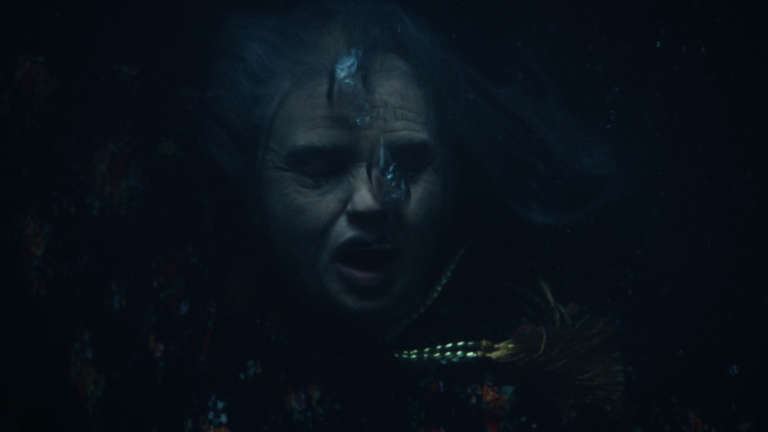
“Soulala” tells the story of Husaam (played by Baraa Alem), an expectant father who receives an unexpected call from his estranged mother, urging him to return to his childhood home in the remote village of Nujayl. The film unfolds as a slow-burn thriller, exploring themes of motherhood and intricate family dynamics while weaving in elements of Saudi mythology and classic horror influences reminiscent of films like “The Omen” and “Rosemary’s Baby.”
Fqih conceptualized “Soulala” during a pivotal moment in his life—when his wife became pregnant with their first daughter. Three and a half years later, that experience shaped not only the storytelling but also the film’s development, which extended over four years.
Bridging Mythology and Personal Experience
“In Saudi, we have a very rich oral tradition, but our visual storytelling has only recently begun to flourish,” Fqih notes. He emphasizes the importance of creating a new character, Ummi, who embodies the universal fears of motherhood, rather than relying solely on established mythological figures to avoid cultural backlash. His approach reflects a desire to resonate with widely relatable themes while being respectful of cultural sensitivities.
Filming Challenges and Triumphs
While “Soulala” is set in Saudi Arabia, the majority of the film was shot in Jordan due to the burgeoning local production scene, which made it more challenging for low-budget projects to film in Saudi Arabia. Fqih expresses gratitude for the opportunity to work in Jordan, likening the filmmaking environment to his own home. “Jordan has been welcoming films since ‘Lawrence of Arabia,’ so we had an incredible ecosystem,” he explains, detailing the collaboration with skilled professionals that enriched the project.
One of the film’s most significant hurdles was sourcing prosthetics, which posed financial challenges when quotes surged as high as $3 million. Eventually, Fqih partnered with Canadian artist Brandi Boulet, whose willingness to work with a first-time director became a cornerstone of the film’s production.
The Learning Curve of a New Generation
Fqih credits his early career experiences with Telfaz11 for equipping him with the skills necessary to navigate the complexities of film production. He reflects on the unique position of Saudi filmmakers, noting, “We had the misfortune and privilege that we didn’t have cinemas. We were just uploading content online, experimenting, and learning in real-time.”
He acknowledges the ongoing conversation about the rise of YouTube talent in Hollywood, suggesting that the U.S. is “a decade behind” in recognizing the potential of content creators from outside its borders. “The truth is that there’s a whole world outside of the U.S., and I pity someone who can’t see it at its fullest,” he asserts.
A Glimpse into the Future
Produced by Arabia Pictures, DH’BAB, and Desert Motion Pictures, “Soulala” is set to release in Saudi cinemas on December 23. Fqih believes that this film, born from the YouTube generation, is just the beginning of what Saudi filmmakers can achieve—a potential that remains largely untapped. “If we get to 70%, we could take the world by storm,” he concludes, leaving audiences eager for more from this emerging cinematic landscape.