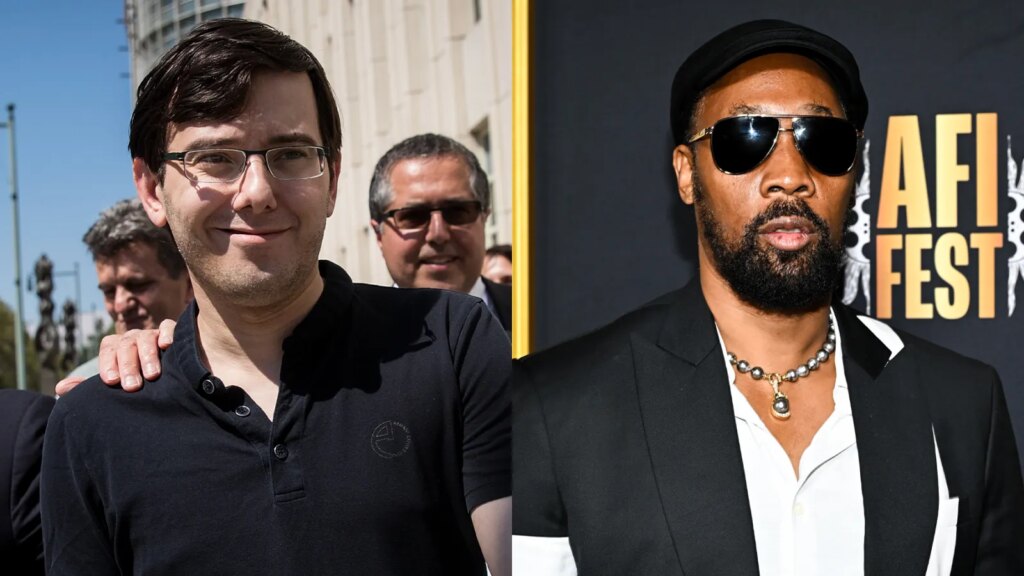
The legal battle over the rare single-copy Wu-Tang Clan album, Once Upon a Time in Shaolin, is heating up again. Martin Shkreli, the controversial former pharmaceutical executive, has recently filed a lawsuit against RZA, the Wu-Tang Clan leader, over issues related to the album’s ownership. This high-profile case has drawn significant attention as it involves a blend of music, art, and legal complexities, highlighting the tangled web of claims surrounding this unique piece of music history.
Shkreli’s Claims of Ownership
In a newly filed federal court document, Martin Shkreli asserts his continued ownership of half of the album’s copyrights. He maintains these rights should transfer entirely to him in 2103, nearly a century after his original purchase in 2015. This claim persists despite the fact that the album was seized and later sold for $4 million to the digital art collective PleasrDAO as part of a government auction following Shkreli’s 2017 securities fraud conviction.
Shkreli is now seeking a declaratory judgment from the court to affirm his claimed copyright ownership. He argues that RZA and Wu-Tang Clan producer Cilvaringz improperly reclaimed and resold the copyrights without his consent amid his legal battles. He alleges that the sale to PleasrDAO constituted a wrongful “duplicate sale” of the album’s exclusive rights.
The Complex Agreement
Shkreli’s lawsuit delves into the intricacies of what he describes as a bifurcated agreement he made with RZA, born Robert Diggs, and Cilvaringz, whose real name is Tarik Azzougarh. This complex deal allegedly consisted of tangible items like the album itself, encased in a special nickel-silver box, alongside a gold-leafed certificate and a leather-bound manuscript. The intangible portion, as per Shkreli, included an immediate 50 percent ownership of the copyrights, with the remainder promised in 2103.
After facing a lawsuit from PleasrDAO, Shkreli invoked this alleged 2015 agreement to counter the claims against him. PleasrDAO had accused him of improperly retaining copies of the album despite a court order mandating forfeiture. They feared he might release parts of the music to the public.
Legal Proceedings and Opinions
Last month, a federal judge allowed PleasrDAO’s lawsuit to advance towards trial, determining that the album could potentially be a trade secret unlawfully kept by Shkreli. In response, Shkreli’s filing demanded a ruling that the album does not qualify as a protected trade secret.
Attempts to reach out to Diggs and Azzougarh’s legal representatives were unsuccessful. Meanwhile, Steven Cooper, PleasrDAO’s lead lawyer, criticized Shkreli’s counterclaims. “Mr. Shkreli’s approach throughout this case has been to distract and delay, with actions that the court has consistently and strongly rejected,” Cooper stated.
The Controversial History
At the heart of Shkreli’s notoriety lies his conviction for running what prosecutors described as a “Ponzi-like scheme” linked to his pharmaceutical company, Turing Pharmaceuticals. This company infamously raised the price of the life-saving drug Daraprim from $13.50 to $750 per tablet, earning Shkreli the moniker “pharma bro” and a seven-year prison sentence.
In past interviews, RZA expressed regret about the album’s sale, describing a desire to buy it back. “It was hard for me to sell that album because I wanted it to be on my living room table,” he remarked.
Public Interest and Future Prospects
PleasrDAO has expressed intentions to democratize access to the album through NFTs, hoping to share this unique artistic work with fans. “This beautiful piece of art, this ultimate protest against middlemen and rent-seekers of musicians and artists, went south by going into the hands of Martin Shkreli, the ultimate internet villain,” said Jamis Johnson, PleasrDAO’s Chief Pleasing Officer, in a statement to Rolling Stone.