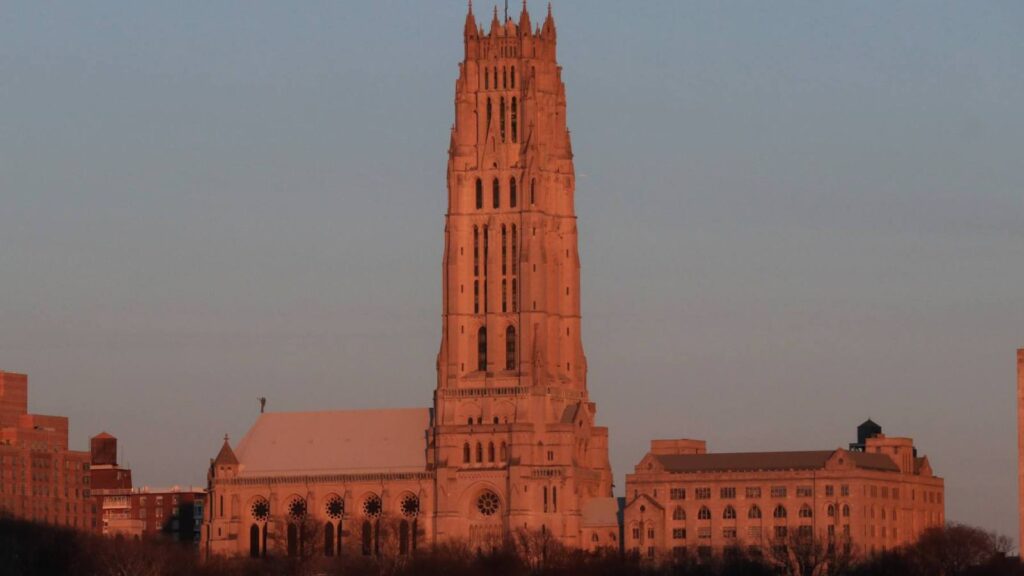
In a high-profile legal battle, Riverside Church has begun its defense in a child sex abuse trial, as it faces allegations of negligence in overseeing its youth programs. The case, centered around accusations against the church’s former coach, underscores the challenges institutions face when historical allegations arise. Riverside Church is navigating claims under New York‘s Child Victims Act, while attempting to demonstrate a lack of prior knowledge about the alleged misconduct.
Historical Allegations and Legal Framework
Riverside Church is contesting a lawsuit that accuses it of sheltering a child sex abuser who ran its youth basketball teams. The church’s legal team argues that it had no prior notice of any wrongdoing and was known only for the program’s stellar reputation. The trial will determine the church’s liability under New York’s 2019 Child Victims Act, which permits survivors to file lawsuits for historical abuse.
Among the plaintiffs is Daryl Powell, a former player who claims enduring molestation at the hands of the late Ernest Lorch, a prominent figure within the Riverside Hawks program. Despite allegedly facing disturbing misconduct, Powell argues the church failed to act for decades.
Defense Testimony: Insights from Church Leaders
The defense began with testimony from the Rev. Robert Polk, who hired Lorch in 1961. Appearing via Zoom, Polk portrayed Lorch as a well-respected figure, fluent in multiple languages and praised for his social justice work. Polk maintained that during his tenure, no complaints were raised about Lorch’s behavior.
Defense witness Hylda Clark, a church council member, supported Polk’s claims, stating she never heard rumors of abuse concerning Lorch. She praised Lorch for aligning with Riverside’s community values, further bolstering the church’s defense.
Claims and Counterclaims: The Plaintiff’s Argument
Powell’s legal team challenged the lack of supervision beyond 1966, arguing nobody monitored Lorch after that. They questioned oversight in hiring assistant coaches, pointing out a lack of accountability. This line of inquiry aimed to demonstrate systemic oversight failures within the church’s programs.
Further testimony from late plaintiff Ellis Williams reinforced allegations, describing his experience of abuse. Williams’ deposition, read in court, added weight to claims of long-standing issues within the program.
Jury Proceedings and Future Testimony
Adjustments to the jury occurred mid-trial, with a juror replaced due to narcolepsy affecting attentiveness. This ensures fairness as the trial progresses.
Upcoming testimony includes recorded statements from former pastor Rev. James Forbes, who distanced himself from directly managing the basketball program. His insights are expected to provide additional context for jurors in evaluating the church’s accountability.