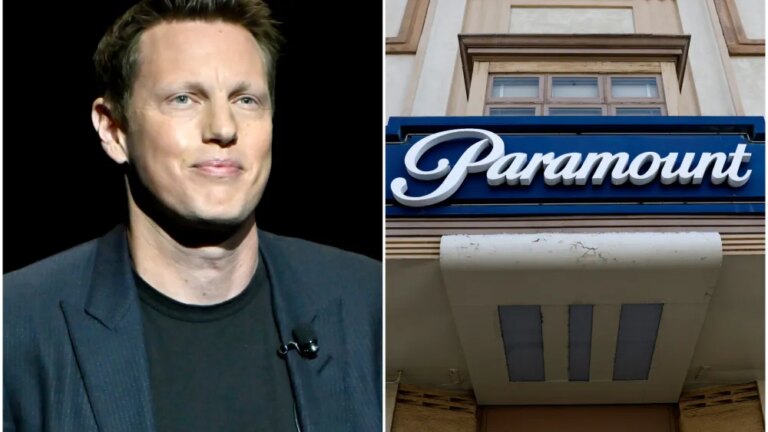
In a significant development regarding the proposed merger between Warner Bros. Discovery and Paramount, Paramount’s legal team has filed a robust response to an antitrust lawsuit brought forth by a coalition of 12 states. This legal battle is not merely procedural; it sets the stage for a contentious trial scheduled for March 2027. Paramount’s argument emphasizes that the coalition’s case lacks the authority and rigor necessary to challenge the merger effectively.
Defense Strategies and Legal Arguments
Paramount’s lawyers assert that the states do not possess the jurisdiction to regulate the merger, contending that such powers are the prerogative of the U.S. Department of Justice (DOJ). However, they acknowledge that states can indeed file claims over alleged violations of federal antitrust laws. Paramount has pointed to Cinema United, a trade group representing theater chains, which has advocated for a settlement, underscoring the growing sentiment that the merger could benefit the industry.
Weakness of the States’ Case
In its filings, Paramount argued, “Day by day, the weak case against this merger gets even weaker,” indicating confidence in its position. The company plans to challenge how the states have defined relevant markets, asserting that their case is built on unfounded assumptions and oversimplified arguments that would not hold up under scrutiny. Paramount further described the states’ approach as a collection of “attempted shortcuts” that lack sound economic analysis.
Coalition’s Concerns Over Market Concentration
California spearheaded the coalition that filed the lawsuit in July, raising alarms that the merger could lead to excessive concentration within both the basic cable and blockbuster theatrical markets. Notably, the DOJ had previously greenlit the merger, justifying its decision in a memorandum that outlined the rationale for allowing the deal to proceed.
Shifting Landscape of Content Consumption
Paramount’s response emphasizes the evolving nature of media consumption, noting that streaming services now attract more viewers than traditional movie theaters or cable television. “The way audiences consume content is changing rapidly,” the company asserted. It insists that the states’ allegations stem from outdated market definitions and a disregard for current industry realities, which they claim are intentionally designed to provoke a legal presumption against the merger.
Legal Proceedings and Future Steps
The Writers Guild of America has also entered the fray with a separate lawsuit, arguing that the merger could adversely affect the marketplace for writers. This claim will be heard alongside the states’ challenge during the upcoming trial. In an effort to stave off immediate effects of the litigation, Paramount has agreed not to finalize the merger until the court issues a ruling. However, the company is requesting that plaintiffs provide a substantial bond of $1.88 billion as a condition for the continuation of the litigation.
Settlement Talks on the Horizon
In the coming weeks, a two-day settlement conference has been scheduled to review the antitrust case, taking place in late October. This procedural step is not indicative of a potential settlement but is rather a standard part of civil litigation.