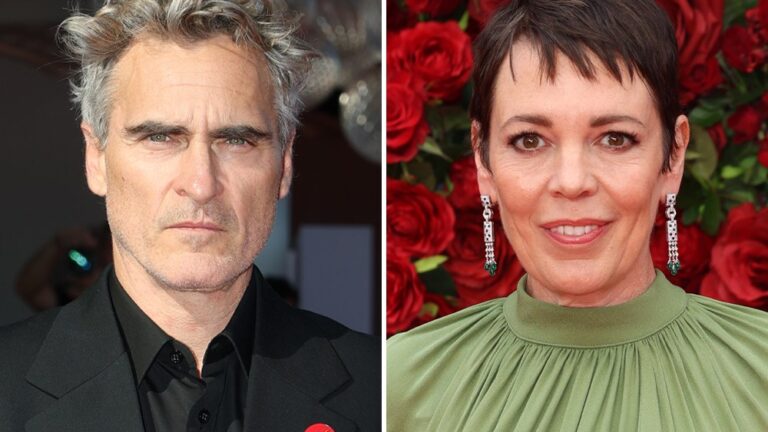
A burgeoning controversy has erupted as leading entertainment platforms like Netflix, BBC, and others face legal scrutiny over a proposed boycott targeting Israeli film institutions. The boycott, supported by high-profile figures such as Joaquin Phoenix and Olivia Colman, has drawn criticism for potentially breaching the U.K.’s Equality Act. This significant legal challenge has prompted various responses across the film industry, raising questions about compliance, ethics, and potential litigation risks related to the Netflix, BBC, and others over the Israeli film boycott.
Legal Challenges and Industry Concerns
Prominent U.K. studios and screen organizations have received a legal letter challenging the boycott of Israeli film institutions. The letter, issued by U.K. Lawyers for Israel, argues that supporting the boycott could contravene the U.K.’s Equality Act. This legislation is central to protecting against discriminatory practices. With Netflix, Disney, Amazon Studios, and the BBC among the recipients, the stakes are high for companies possibly engaging in actions seen as discriminatory.
The legal notification emphasizes that the Equality Act safeguards not only individuals but also organizations. This extends its implications across the screen industry, affecting actors, producers, and all contractual entities. The ongoing issue concerns whether promoting a boycott due to nationality or religion can constitute a breach, poised to become a significant litigation risk for Netflix, BBC, and others involved.
Complexities of the Boycott’s Application
The boycott does not apply to Palestinian Israelis, employing what organizers describe as “context-sensitive guidelines.” However, the letter underscores that selectively exempting certain groups based on ethnicity or religion reinforces concerns of discrimination. This approach complicates the legal landscape, as it attempts to delineate between different groups, raising red flags regarding its adherence to non-discriminatory principles.
Studios like Netflix and others connected may find themselves responsible for any violations enacted by their representatives, whether actively or indirectly involved. The legal warning suggests that anyone aiding the boycott — including producers, agents, or distributors — could face legal consequences, further complicating the stance of industry players.
Implications for Funding and Compliance
Beyond legal challenges, the letter highlights potential funding repercussions, crucial for the film industry. Funding bodies like the BFI require strict compliance with the Equality Act, meaning breaches might disqualify projects from receiving government support. This poses significant operational risks, prompting entities like Netflix, BBC, and others to reconsider their position on the controversial boycott.
The boycott’s scope and ambition present challenges that extend beyond the immediate legal ramifications. With more than 4,000 industry professionals, including notable directors and producers, signing in support, the boycott represents a profound ethical and operational crossroads for the entertainment industry.
As the discourse continues and potential legal actions loom, the industry’s response to this legal warning could redefine boundaries regarding ethical stances and legislative compliance. The situation underscores the necessity for companies such as Netflix, BBC, and involved stakeholders to navigate carefully through this complex legal and ethical landscape.