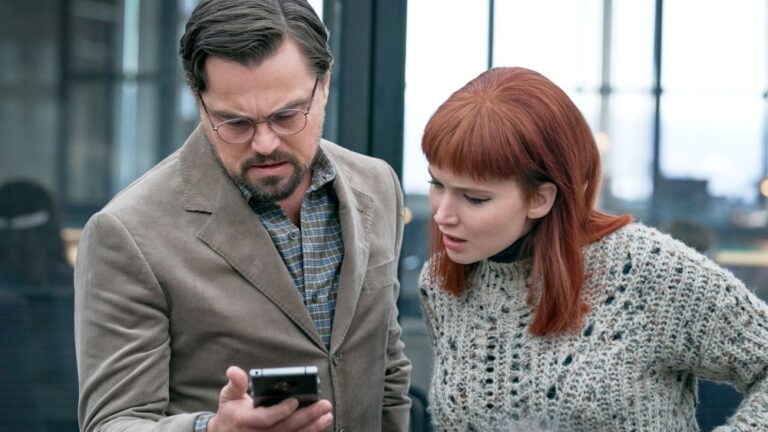
Netflix and filmmaker Adam McKay have successfully dismissed a second copyright lawsuit related to their 2021 film, “Don’t Look Up.” This victory follows a judge’s decision that reinforces the film’s originality, despite claims by self-published authors who alleged similarities with their own works. The ruling emphasizes the difference between broad thematic ideas and specific copyrightable content. This development reaffirms the film’s standing amid ongoing legal challenges.
Judge Rules in Favor of Netflix and McKay
On Tuesday, Judge Gregory Presnell ruled against Darren Hunter from Harleysville, Pennsylvania, who claimed that “Don’t Look Up” was based on his novel, “The Million Day Forecast.” Presnell determined that the novel and movie are “entirely different works,” with any perceived similarities being broad, uncopyrightable themes typical of narratives focused on Earth’s destruction.
Netflix defended its movie by highlighting its satirical take on disaster films, contrasting it with Hunter’s combination of science fiction and conspiracy thriller elements. According to Netflix’s lawyers, the movie’s humor and satirical tone set it apart from Hunter’s more straightforward storytelling.
Similar Copyright Challenges Addressed
This dismissal mirrors a previous lawsuit brought by William Collier, who contended that the film was based on his novel, “Stanley’s Comet.” That case, also dismissed, underscored the recurring defense that thematic overlap does not equate to copyright infringement. Collier’s appeal to the 9th Circuit was dropped after Netflix pursued legal fees.
Both cases reflect broader issues within copyright law, where similar themes in creative works do not necessarily imply infringement unless specific, protected elements are duplicated.
Legal Perspectives and Lessons
In the latest case, Presnell’s thoroughness was evident as he both read the book and watched the movie before determining the absence of infringement. He concluded, “As a matter of law, no lay person could recognize that the Movie has been appropriated from ‘The Million Day Forecast.’”
Hunter initially sought $3 billion in damages when he filed his lawsuit in Orlando, Florida, but Netflix moved the case to federal court. Hunter’s attorney argued that the assessment of similarities should be a jury matter, but the judge dismissed this claim, reinforcing the judiciary’s role in distinguishing between ideas and expression in copyright cases.
This legal victory for Netflix and McKay is a significant affirmation of the originality and creative distinction of “Don’t Look Up” amid challenges involving abstract themes commonly explored in entertainment.