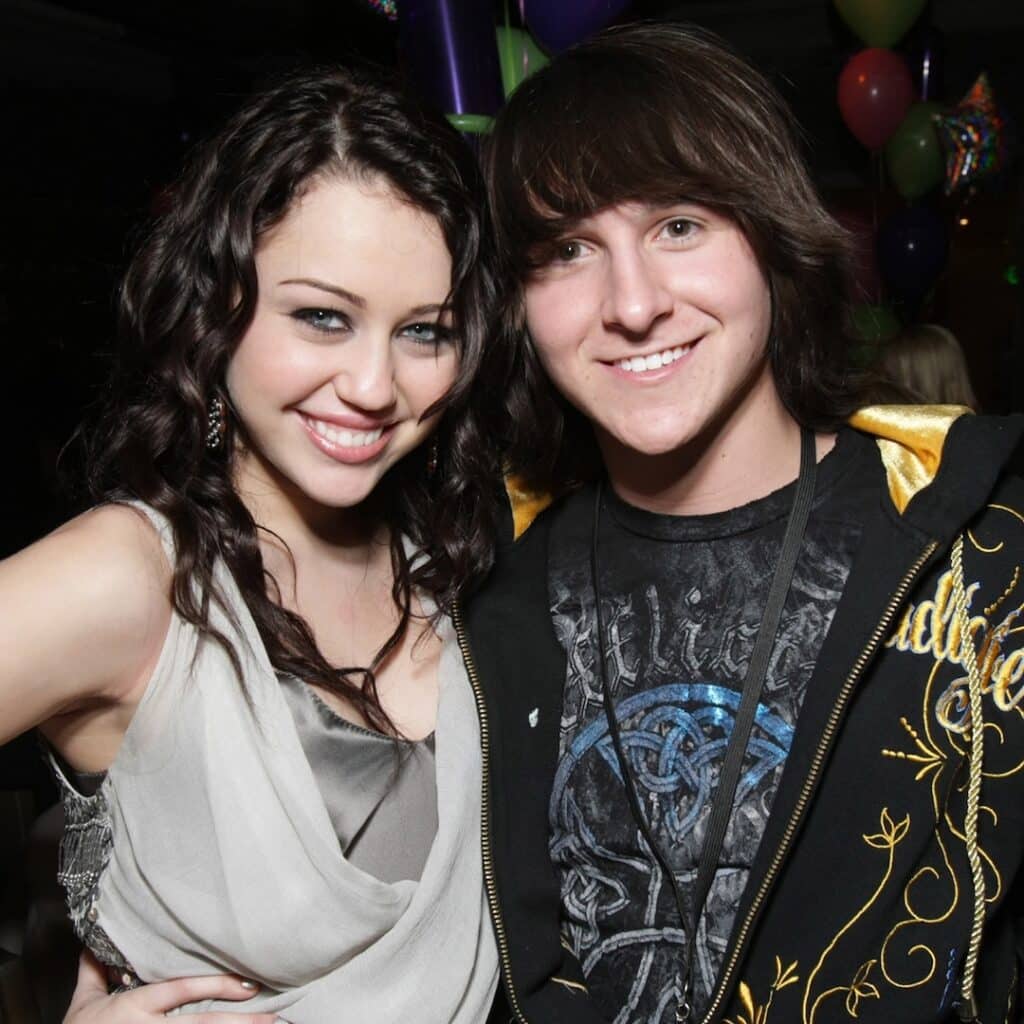
Mitchel Musso has recently responded to claims made by his former co-star Miley Cyrus regarding marijuana use during their time on the set of Hannah Montana. The “We Can’t Stop” singer suggested that he and her father, Billy Ray Cyrus, smoked weed while filming. Musso, best known for his role as Oliver, has provided his perspective, aiming to clarify the situation. This piece delves into his response and sheds light on the dynamics between the show’s former stars.
Mitchel Musso Responds to Miley Cyrus’ Allegations
The conversation around Miley Cyrus’ claim about on-set marijuana use has taken an intriguing turn. In a statement to E! News on June 19, Mitchel Musso addressed the allegations by saying, “Well, that’s not how I remember it.” Musso hinted that there are more interesting stories from the Hannah Montana era that could surface if people are looking to revisit that period. His response suggests a different recollection from the one Cyrus shared, emphasizing his willingness to explore past events if needed.
Miley’s Controversial Claim
During the June 19 episode of Sorry We’re Cyrus, Miley Cyrus shared a memory from her Hannah Montana days, alleging that both Mitchel Musso and her father, Billy Ray Cyrus, were involved in smoking weed on set. When Tish Cyrus inquired about a “core memory” from that time, Miley recounted, “Dad smoking pot and everyone blaming me for it.” This revelation sparked curiosity and prompted Musso to address the accusation.
Reflecting on Hannah Montana History
In his response, Musso extended a message of positivity towards Miley and her family, stating, “All love to Miley and the fam,” while also acknowledging the creative liberties sometimes taken in retelling past events. His diplomatic approach indicates a desire to maintain amicable relations with his former co-star despite the public nature of the claims.
As fans of the beloved show react, these revelations offer a glimpse into the personal dynamics and experiences behind the scenes of Hannah Montana. The exchange highlights how differently memories can be perceived by those involved, leaving room for multiple interpretations of the past.