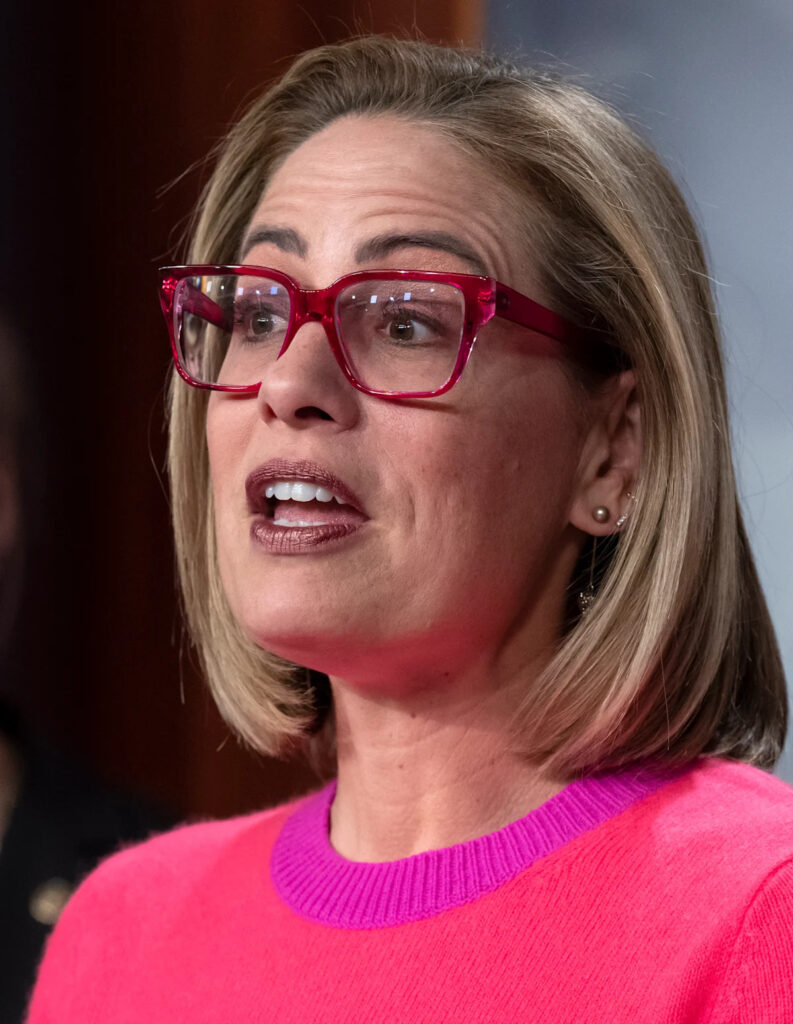
In a surprising turn of events, Kyrsten Sinema is stepping into the spotlight as she embraces psychedelic medicine, positioning herself with the Make America Healthy Again (MAHA) initiative. Once a contentious figure among progressives, the former Arizona senator has pivoted to focus on the potential therapeutic benefits of psychedelics, particularly ibogaine. As she embarks on this journey, Sinema aims to connect with a diverse coalition—across the political spectrum—while advocating for serious research into treatments that could transform mental health care.
Embracing Psychedelics
ASPEN, COLORADO — Kyrsten Sinema’s past clashes with progressive forces could soon give way to a new alliance as she aligns herself with the MAHA movement. After opting not to seek reelection last year, Sinema took on a role as a senior adviser at Hogan Lovells and has since championed the cause of psychedelic medicine. Her personal choice for treatment? Ibogaine, a substance derived from an African shrub, which she personally traveled to Mexico to experience. Advocates like Sinema are calling for rigorous state-funded clinical trials to examine ibogaine’s effectiveness as a mental health remedy and ultimately aim to secure FDA approval.
A Unique Opportunity
During a recent conference hosted by Americans for Ibogaine, Sinema expressed optimism about the current political landscape. “We are in this magical, unique time,” she remarked, referring to President Trump’s administration and the support from figures like Secretary Robert F. Kennedy Jr. Sinema believes this administration presents a pivotal chance for advancing psychedelic medicine, particularly for veterans suffering from conditions like PTSD and depression. She sees the configuration of the cabinet as an opportunity to foster change: “Disruption brings opportunity,” she noted, emphasizing the need for progress while the political environment is amenable.
Navigating Skepticism
However, the road ahead may not be smooth. While advocacy for ibogaine is gaining traction—evidenced by Texas Governor Greg Abbott’s recent approval of $50 million in funding for research and Sinema’s lobbying efforts in Arizona—many in the medical establishment remain hesitant. Concerns about ibogaine’s safety, including potential heart risks, are prevalent. Furthermore, the DEA still classifies ibogaine among substances with no accepted medical use, which complicates the push for mainstream acceptance.
Collaboration Across the Spectrum
Sinema’s willingness to engage with different political factions speaks to her evolving strategy. In a candid dialogue, she acknowledged the varying reactions to MAHA, particularly from progressive circles resistant to her outreach. “It’s interesting, because I’ve seen some of my former colleagues really push back hard against his MAHA movement,” she stated. However, her resolve remains firm, as she identifies a shared goal in improving health standards. The former senator recognizes that psychedelic medicine transcends traditional party lines—it’s fundamentally about solving real health crises.
Her discussions with Republican leaders, including Veterans Affairs Secretary Doug Collins, showcase a growing bipartisan interest in psychedelic treatments. “Doug had never heard of it,” Sinema explained. “Then he met with some veterans and saw the science.” This collaboration signifies a shift in the conversation around mental health treatments and highlights the urgency for innovative solutions in a polarized political climate.
Sinema’s journey into the realm of psychedelics, particularly with her focus on MAHA, is both a personal and political evolution. As her work continues to gather momentum, there is a palpable sense of possibility surrounding the acceptance of psychedelic medicine as a legitimate avenue for mental health treatment, illustrating the profound shifts occurring within the landscape of American healthcare.