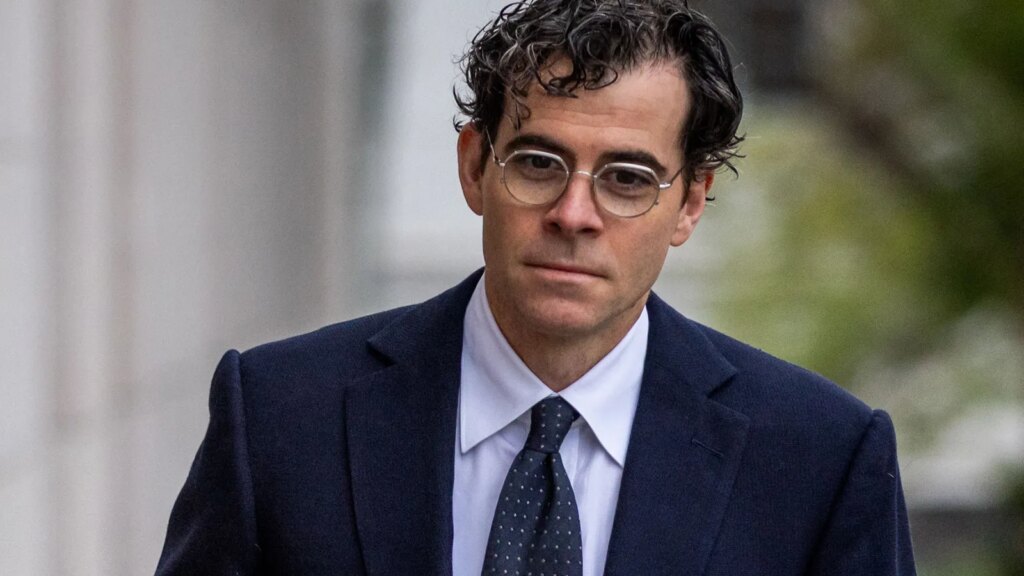
Instagram’s head, Adam Mosseri, recently took the stand in a Los Angeles courtroom, addressing a pivotal case that scrutinizes the role of Instagram, owned by Meta, in potentially addictive behaviors among youth. The testimony highlighted the crucial distinction Mosseri made between “problematic use” and “clinical addiction,” as lawsuits have mushroomed against social media giants over their influence on mental health and wellbeing.
Testimony Under Scrutiny
During the court session, Adam Mosseri faced previous statements from a 2020 podcast where he mentioned the possibility of addiction to social media platforms. Clarifying his earlier remarks, Mosseri told the jury, “Clearly, I wasn’t careful with my words during that podcast,” emphasizing the difference between excessive use and clinical addiction. He defined “problematic use” as using social platforms beyond personal comfort without reaching the threshold of clinical addiction.
Mosseri’s testimony is part of a significant legal battle regarding claims that social media acts as “digital casinos,” enticing users, especially young ones, into habitual engagement. This trial could set precedents for numerous other cases linked to the psychological impact of such platforms.
Mosseri Defends Instagram’s Approach
Throughout the trial, Mosseri navigated questions about Instagram’s practices and design choices. Plaintiff K.G.M., a 20-year-old woman from California, claimed that Instagram’s features contributed to her childhood issues, including anxiety and body dysmorphia. In response, Mosseri detailed measures like parental controls that Meta has implemented for safer usage among minors. He conveyed his disapproval of the “move fast and break things” mentality, opting for a more measured approach.
The courtroom also revisited internal discussions regarding “beauty filters.” Emails exhibited debates about the potential ban of filters mimicking cosmetic alterations. Mosseri highlighted the challenge in distinguishing which filters were appropriate, emphasizing a balanced perspective that considers user freedom and safety.
Internal Discord and External Consequences
Mosseri’s reflections on internal debates extended to broader concerns, such as maintaining competitiveness overseas and addressing cultural variances in social media perceptions. He acknowledged the complexity of policy decisions, citing the challenge of pleasing a diverse user base while ensuring protection, particularly for younger users.
However, this careful navigation did not alleviate criticism from those like Lori Schott, a mother linked to another pending lawsuit. Schott’s emotional reaction outside the courtroom underscored the real-world impacts these corporate decisions have on families, particularly in tragic scenarios involving mental health crises.
Moving Forward
The ongoing trial against Meta, with Adam Mosseri testifying, is a pivotal moment in understanding and addressing the implications of social media usage. The case not only delves into the technical definitions of addiction but also questions the ethical responsibilities of tech giants in shaping young minds. As the trial progresses and anticipation builds for Mark Zuckerberg’s upcoming testimony, the industry watches closely for outcomes that could redefine platform accountability.