If there’s one thing influencers excel at, it’s crafting compelling narratives. Recently, a surprising trend has emerged where personalities like Criscilla Anderson have announced their own passing. This unusual move has sparked intrigue and widespread discussion across social media platforms. The primary keyword here is ‘Criscilla Anderson announced her own death,’ a phrase that encapsulates the phenomenon involving Anderson and other influencers. In exploring why someone would choose to fictionalize their demise, the broader implications on social media psychology and follower engagement become apparent.
The Enigmatic Announcement
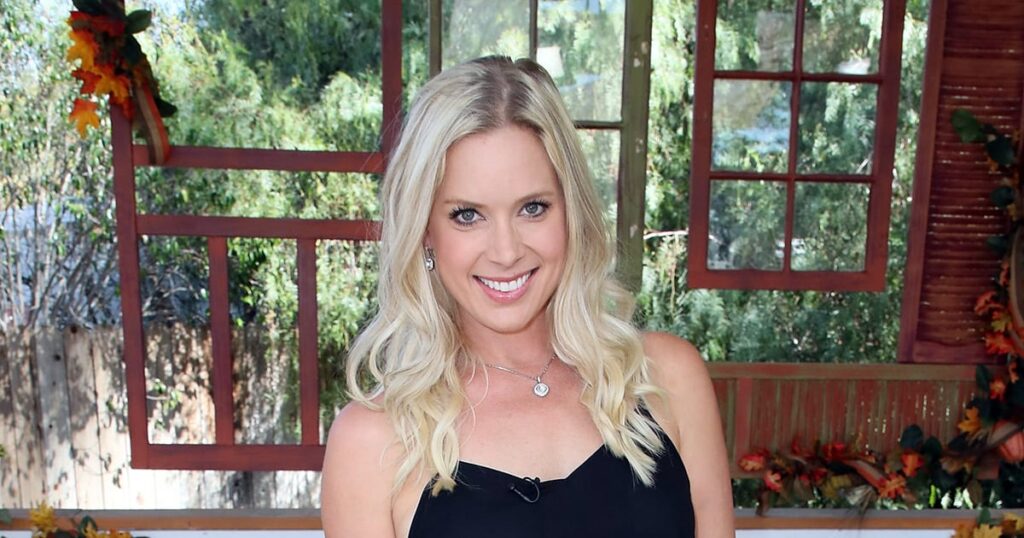
Criscilla Anderson, known for her talents as a hip-hop dancer and her appearance on Netflix‘s 2020 reality series Country Ever After, made headlines with an out-of-the-ordinary announcement. Claiming her own death, Anderson captivated her audience with her storytelling skills. This unexpected narrative left fans shocked and puzzled, prompting a flood of conversations online. By revealing that the announcement was part of a larger, deliberate narrative, Anderson was able to shift the conversation toward broader topics like awareness, engagement, and storytelling, reinforcing why influencers are powerful figures in shaping public discourse.
The Broader Trend Among Influencers
Criscilla Anderson isn’t alone in this curious phenomenon. Other influencers have also taken to announcing their own deaths, often to highlight specific issues or to experiment with engagement strategies. This approach raises questions about the ethics and impact of creating fictional narratives on followers. While these announcements attract attention and discussion, they also push the boundaries of authenticity—an often touted but elusive trait in the influencer world. This trend underscores the blurred lines between reality and fiction on digital platforms.
The Psychology Behind the Narrative
By crafting these dramatic stories, influencers like Criscilla Anderson tap into the psychological aspects of storytelling that deeply connect with audiences. These narratives can serve various purposes, such as drawing attention to personal causes or societal issues. In Anderson’s case, the announcement served as a potent reminder of the power of narrative in heightening awareness and sparking engagement. This storytelling tactic leverages emotional resonance, ensuring that the message is not just heard but felt deeply by followers. It’s a testament to the transformational power of narrative when wielded by skilled storytellers.
Impact on Followers and Social Media
When Criscilla Anderson announced her own death, it prompted a wave of emotional and intellectual responses from her followers. These kinds of announcements encourage followers to re-evaluate the content they consume, as well as their relationship with influencers. The blend of reality and fiction challenges the status quo and pushes both influencers and audiences to question the true nature of digital interactions. Although controversial, these narratives underline the evolving landscape of social media, where truth and fiction can intertwine to create impactful discussions.